

The Rise of Intelligent Vaporization: Beyond Temperature Settings
For a while now, 'smart' vaporizers have mostly meant app control and pre-set temperature options. That's changing, and quickly. We're starting to see genuine artificial intelligence making its way into these devices, going far beyond simple remote operation. This isn’t just about convenience; it’s about a fundamentally different vaporization experience.
The biggest shift is towards truly adaptive technology. Think vaporizers that learn your preferences, automatically adjusting the heating curve based on your usage. Some models are even attempting to identify the material you’re using – flower, concentrate, or a blend – and optimize settings accordingly. It sounds futuristic, and in some ways it is, but the groundwork is being laid now.
The market is still relatively early in this transition. A few manufacturers are leading the charge, promising more efficient extraction, better flavor, and a more personalized experience. I don't think we’ll see every vaporizer boasting full AI capabilities by 2026, but the direction is clear. Expect to see more experimentation and refinement in the coming years, with prices slowly becoming more accessible.
The initial focus is on improving the core vaporization process. We’re moving beyond simply setting a temperature and hoping for the best. AI is enabling devices to react to the material, the user, and the environment, creating a more dynamic and satisfying experience.
Pax Four and Beyond: Hybrid Heating and Vapor Production
The Pax Four is receiving a lot of attention, and for good reason. Wirecutter’s 2026 review states the Pax Four utilizes hybrid heating technology that produces 50% more vapor and heats up significantly faster than previous Pax devices. This is a substantial improvement, demonstrating the power of combining different heating methods.
Hybrid heating, in essence, blends conduction and convection. Conduction heats the material directly through contact with a heated surface, while convection heats it by passing hot air through it. Combining both results in more even extraction and a more flavorful vapor. This isn't just about getting higher; it's about getting a better quality experience.
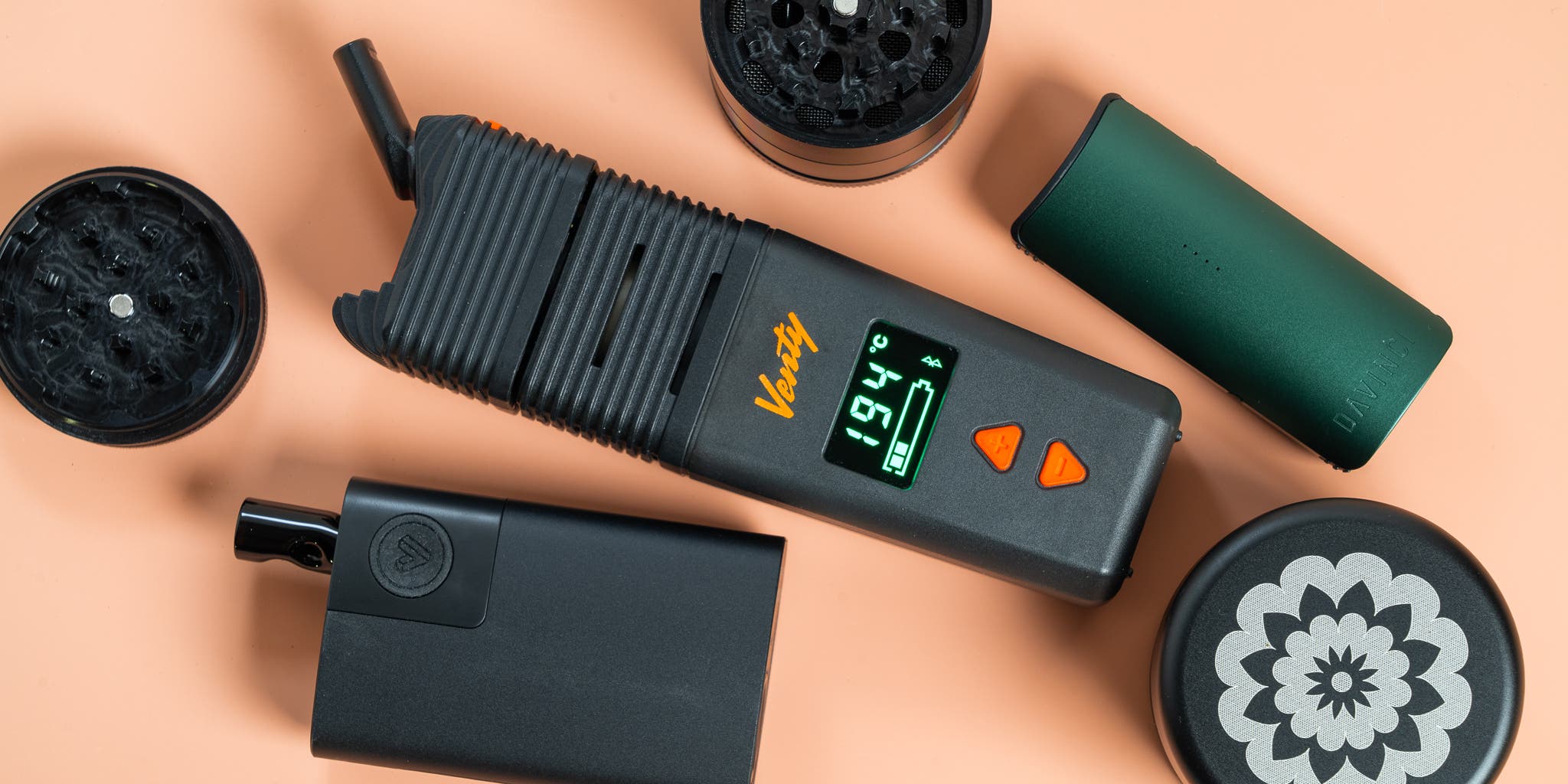
Other manufacturers are exploring similar approaches. Storz & Bickel, for example, continues to refine its convection-based technology, focusing on precise temperature control and efficient extraction. DaVinci has been experimenting with dosage pucks and adjustable airflow to optimize the vaporization process. Finding the right balance between speed, efficiency, and flavor is key.
The faster heat-up times are a major benefit, especially for on-the-go use. No one wants to wait minutes for their vaporizer to reach the optimal temperature. But the improved vapor production and even extraction are equally important. It allows you to get the most out of your material, reducing waste and maximizing the experience.
Material Recognition: Will Your Vaporizer Know What You’re Using?
This area is truly ambitious. A vaporizer that can identify the type of material you’re using – whether it’s a specific strain of flower, a particular type of concentrate, or even a blend – and automatically adjust its settings is incredibly appealing. This presents a complex challenge, though.
To achieve this, vaporizers would need sophisticated sensors capable of analyzing the material’s composition. Spectroscopic analysis could identify the chemical compounds present, allowing the device to determine the optimal temperature and heating curve. This technology is expensive and requires significant processing power.
It is more realistic to expect vaporizers to recognize broad categories of material—flower versus concentrate—rather than specific strains. Recognizing broad categories presents challenges, as different strains have varying moisture content and density. The potential benefits are significant: convenience, optimal extraction, and tailored flavor profiles.
A phased rollout of this technology is likely. Initial models may offer pre-set profiles for common materials, while more advanced devices could incorporate machine learning algorithms to adapt to new materials over time. This is an exciting area to watch, but a perfect solution is not expected overnight.
App Integration: More Than Just Remote Control
App integration is not new to vaporizers, but it is evolving beyond simple remote control. The latest apps offer a wealth of features designed to enhance the overall experience, including personalized profiles, session tracking, and data analysis. This is about creating a connected ecosystem.
Personalized profiles allow users to save preferred temperature settings, heating curves, and other parameters. Session tracking provides valuable insights into usage patterns, helping users optimize consumption and potentially reduce waste. Data analysis can even identify trends and suggest adjustments to improve the experience.
Some apps also explore community features, allowing users to share their experiences, review strains, and connect with other enthusiasts. Integration with other health and wellness apps is another possibility, tracking things like mood, energy levels, and sleep quality.
However, it's important to be mindful of privacy implications. Collecting data about your usage patterns raises legitimate concerns. Manufacturers need to be transparent about how they’re using this data and provide users with control over their privacy settings.
Adaptive Temperature Curves: Learning Your Preferences
At the heart of AI-powered vaporization lies the ability to learn and adapt. Adaptive temperature curves represent a significant step forward, allowing the device to automatically adjust the heating profile based on your individual preferences. This isn't just about setting a temperature; it's about creating a dynamic and personalized experience.
The algorithm needs data to learn. This includes things like your preferred temperature range, the duration of your sessions, and even how you inhale. Over time, the device can identify patterns and adjust the heating curve to deliver the optimal flavor, vapor production, and efficiency.
The potential benefits are substantial. Better flavor is a primary goal, as the ideal temperature for extracting different cannabinoids and terpenes varies. More efficient extraction means you get the most out of your material, reducing waste. And a personalized experience simply feels more satisfying.
The accuracy of these algorithms will improve as they gather more data. Early models might require a learning period, but as the technology matures, we can expect even more precise and responsive temperature control. This is arguably where AI can make the biggest impact on the vaporization experience.
The Vaporizer Wizard's 2026 Predictions and the Current Market
According to Vaporizer Wizard's January 28, 2026 report, the portable vaporizer market remains competitive, with a growing emphasis on both performance and affordability. They note a continued demand for discreet and easy-to-use devices, alongside increasing interest in advanced features like hybrid heating and app integration.
The report highlights several brands that are gaining traction, including Pax, Storz & Bickel, and DaVinci. These manufacturers are consistently pushing the boundaries of vaporizer technology, offering innovative features and reliable performance. New players are also emerging, often focusing on niche markets or specific types of materials.
Price ranges for AI-powered vaporizers currently start around $200 for basic models with limited AI features, and can exceed $400 for more advanced devices with material recognition and adaptive temperature control. The cost is coming down, but it’s still a premium compared to traditional vaporizers.
The Wizard suggests that 2026 will see further refinement of existing technologies, with a greater focus on user experience and data privacy. We can also expect to see more integration with health and wellness apps, as well as a continued push for more efficient and discreet vaporization devices.
Top AI-Enhanced Portable Vaporizers for Smart Vaping
App-controlled heating and temperature · Rapid heat-up time (15 seconds) · Long-lasting battery life
The PAX 3 offers sophisticated temperature customization and a sleek design, making it a top choice for users seeking a smart and intuitive vaping experience.
Bluetooth connectivity with smartphone app · Precise temperature control · Super-Boost mode for higher temperatures
Renowned for its exceptional vapor quality, the Crafty+ integrates seamlessly with its app for personalized control, appealing to discerning vapers.
Full digital temperature control · Replaceable battery · Compact and discreet design
The Arizer ArGo provides excellent temperature precision and user-friendly operation, offering a reliable and customizable portable vaping solution.
Magnetic connection to concentrate tanks · Three temperature settings · Fast charging
While not app-integrated, the G Pen Connect offers smart, user-friendly temperature management for concentrate enthusiasts looking for convenience and efficiency.
As an Amazon Associate I earn from qualifying purchases. Prices may vary.
AI, E-Cigarettes, and the Future of Vaping Technology
Pinkspot Vapors highlights that AI is also impacting the e-cigarette market, with manufacturers using algorithms to optimize device performance, personalize vaping experiences, and even detect potential malfunctions. AI can also be used to analyze user data and identify patterns of addictive behavior.
However, the use of AI in e-cigarettes raises ethical concerns. There’s a risk that AI could be used to target vulnerable populations or to promote addictive behaviors. It’s crucial that manufacturers prioritize user safety and responsible marketing practices.
The broader implications of AI in the vaping industry are still unfolding. It has the potential to improve device performance, enhance user experience, and even promote harm reduction. But it also carries risks that need to be carefully addressed.
Looking ahead, we can expect to see even more sophisticated AI applications in the vaping space. From personalized nicotine delivery systems to predictive maintenance algorithms, the possibilities are endless. But it’s essential that these technologies are developed and deployed responsibly, with a focus on user safety and well-being.


No comments yet. Be the first to share your thoughts!