

Beyond Plastic: A Greener Vaporizing Future
The vaping industry, like much of consumer electronics, generates a significant amount of waste. From discarded devices to single-use cartridges, the environmental impact is becoming increasingly clear. Traditional vaporizers rely heavily on plastics, often difficult to recycle, and components sourced with questionable environmental practices. We're seeing a growing demand for more responsible options, and manufacturers are beginning to respond, though progress is slow.
This isn’t about finding a "perfectly’ green vaporizer – that likely doesn’t exist yet. It’s about acknowledging the trade-offs and choosing devices that represent a step in the right direction. We’ll be looking at materials, energy consumption, and a device’s overall lifespan. It"s important to be realistic: even the most eco-conscious vaporizer still requires resources to produce and will eventually need to be disposed of.
Our goal here isn’t to shame anyone for their past choices, but to provide information that empowers consumers to make more informed decisions. The industry is evolving, and with increased awareness, we can push for even more sustainable practices. Expect to see more innovation in materials and manufacturing in the coming years.
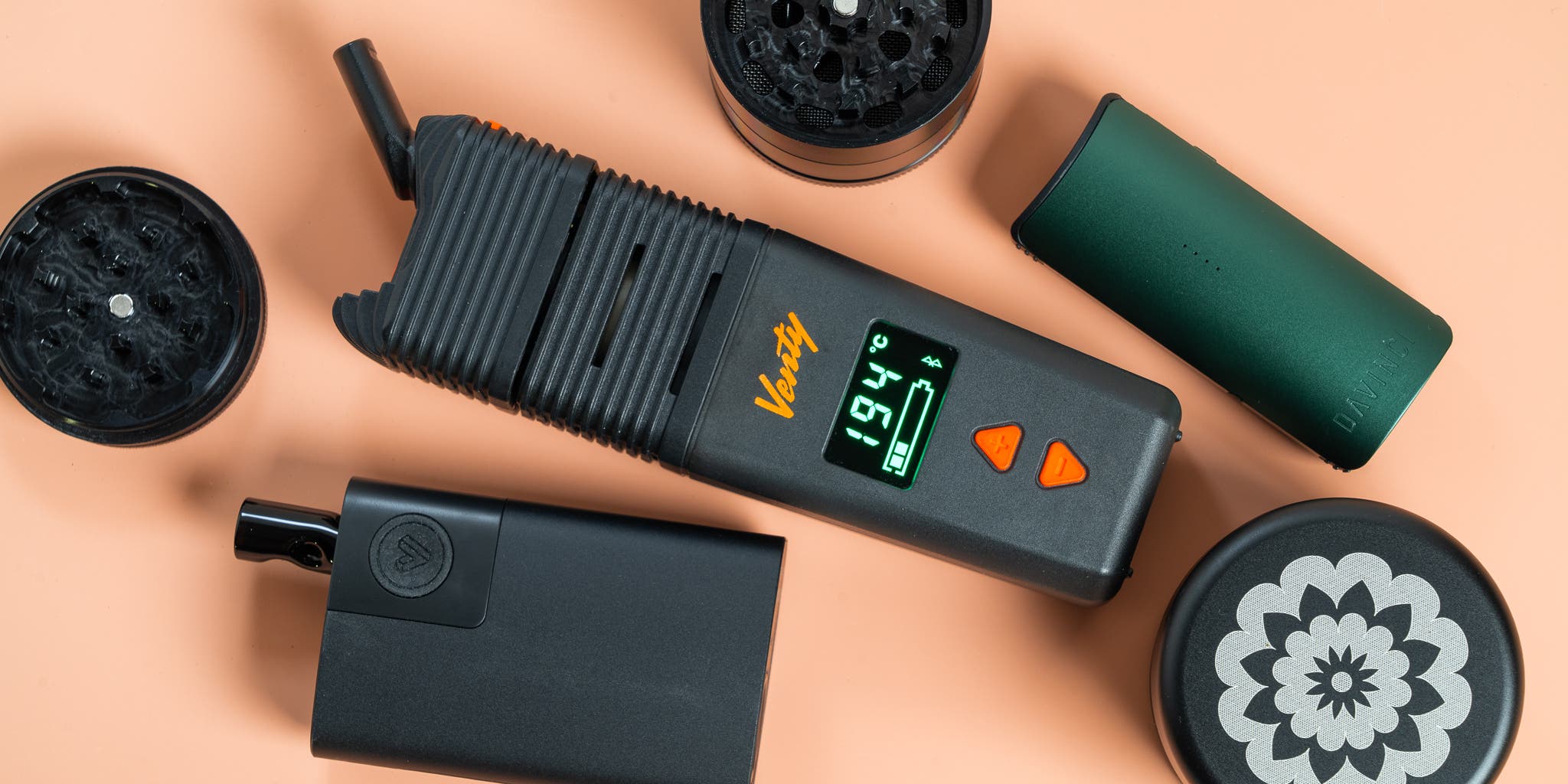
What Makes a Vaporizer ‘Eco-Friendly’?
Defining "eco-friendly’ can be surprisingly complex. It’s not just about using recycled plastic, though that’s a good start. We"re assessing vaporizers based on a combination of factors, weighing the impact of each stage of the product lifecycle. Materials are a huge piece of the puzzle. We prioritize devices constructed with recycled aluminum, stainless steel, borosilicate glass, and responsibly sourced wood.
Energy efficiency is another key criterion. Longer battery life means less frequent charging, reducing energy consumption. We also consider the efficiency of the heating element itself – how quickly and effectively it vaporizes material. Manufacturing processes are often a black box, but we look for companies that demonstrate a commitment to ethical sourcing and waste reduction. Transparency in the supply chain is something we value.
Finally, we consider end-of-life options. Is the device easily repairable? Are replacement parts readily available? Can the components be recycled? A vaporizer designed for longevity and ease of repair is inherently more sustainable than one built for obsolescence. Getting clear information from manufacturers on these points is frequently a challenge, and their claims should be approached with healthy skepticism.
- Materials: Recycled metals, glass, responsibly sourced wood, bioplastics.
- Energy Efficiency: Battery life, charging methods, heating element efficiency.
- Manufacturing: Ethical sourcing, waste reduction, supply chain transparency.
- End-of-Life: Repairability, recyclability, availability of replacement parts.
The Top 5 Eco-Conscious Vaporizers of 2026
After extensive research, we’ve identified five vaporizers that stand out for their commitment to sustainability. It’s important to note that no vaporizer is perfect, and each has its own trade-offs. These represent the best available options as of late 2026, based on our defined criteria.
First, the Storz & Bickel Volcano Hybrid. While not solely focused on eco-friendliness, its recyclable aluminum housing and overall build quality contribute to a longer lifespan. The Volcano Hybrid delivers exceptional vapor quality and is known for its durability. However, it’s a relatively expensive option. Its 'eco-score' is 7.5/10.
Next, the Arizer Solo 2 impresses with its borosilicate glass and stainless steel construction. These materials are highly recyclable and contribute to a clean vapor path. The Solo 2 is also known for its efficient heating and long battery life. The downside? The design is a bit dated, and it's not the most discreet option. Eco-score: 8/10.
The DynaVap VapCap M is a unique offering. It’s entirely made of stainless steel and requires no battery, eliminating electronic waste. It’s incredibly durable and efficient, but has a steeper learning curve than other vaporizers. It's also limited to dry herb. Eco-score: 9/10.
The Pax 3 features an anodized aluminum body, which is more sustainable than many plastic alternatives. It’s also relatively energy-efficient and offers a sleek, discreet design. However, the Pax 3 has faced criticism for its limited repairability and proprietary charging system. Eco-score: 6.5/10.
Finally, the Firefly 2+ utilizes a borosilicate glass vapor path and a magnesium alloy design, reducing reliance on plastics. It offers excellent vapor quality and a fast heat-up time. The Firefly 2+ can be somewhat finicky and the battery life isn’t the best. Eco-score: 7/10.
Featured Products

Replacement parts for VOLCAN0 vaporizer · Includes filling set accessories · Comes with a storage bag
This accessory kit helps extend the life of your vaporizer, reducing waste by allowing you to replace individual parts rather than the entire device.

XL Glass Tube Stem for Solo vaporizers · 90mm straight long design · Set of 3 aroma stems
Glass components offer a pure flavor experience and are a more sustainable alternative to plastic parts, contributing to a longer-lasting device.

Waterless vaporizer · Includes two menthol and two lavender vapor pads · Portable and easy to use
This waterless design eliminates the need for electricity, making it an energy-efficient option for on-the-go aromatherapy.

Premium maintenance kit for PAX vaporizers · Includes three 3D oven screens · Comes with a wire brush for cleaning
Regular maintenance with this kit ensures optimal performance and longevity of your PAX vaporizer, reducing the need for premature replacement.

Advanced hybrid heating system · App-controlled customization · Efficient battery life
The Firefly 2+ is recognized for its efficient heating technology and durable construction, promoting longevity and a reduced environmental footprint.
As an Amazon Associate I earn from qualifying purchases. Prices may vary.
Material Matters: A Deep Dive
The materials used in a vaporizer have a significant impact on its environmental footprint. Stainless steel and aluminum are both highly recyclable, but the energy required to recycle aluminum is considerably lower. Borosilicate glass is another excellent choice, as it’s inert, durable, and infinitely recyclable. Wood, when sourced responsibly, can be a sustainable alternative to plastic, but it requires careful forest management.
Bioplastics – plastics derived from renewable biomass sources – are gaining traction, but they aren’t a silver bullet. Many bioplastics aren’t truly compostable and require industrial composting facilities, which aren’t widely available. Furthermore, the production of bioplastics can still have environmental impacts, such as land use and water consumption. It’s important to look for certifications like OK Compost HOME to ensure genuine compostability.
Sourcing metals is a complex issue. Mining can have devastating environmental consequences, including habitat destruction and water pollution. Responsible sourcing initiatives, such as those promoted by the Responsible Minerals Initiative, are crucial to minimize these impacts. However, transparency in the supply chain remains a major challenge. Many manufacturers don’t disclose the origins of their materials.
Vaporizer Material Breakdown
| Vaporizer Model | Body Material | Heating Chamber Material | Mouthpiece Material | Battery Housing Material |
|---|---|---|---|---|
| Storz & Bickel Volcano Hybrid | Aluminum - Recycled, generally good, but energy-intensive to produce. Recycling programs improve sustainability. | Stainless Steel - Durable and recyclable, relatively low environmental impact. | Silicone - Relatively inert and long-lasting, but not readily biodegradable. | Plastic - Typically ABS plastic, presents recycling challenges. |
| Arizer Solo 2 | Stainless Steel - Durable, corrosion-resistant, and widely recyclable. | Borosilicate Glass - Chemically inert and fully recyclable, though fragile. | Delrin - A type of plastic, durable but not easily recyclable. | Stainless Steel - Durable, corrosion-resistant, and widely recyclable. |
| DynaVap VapCap M | Stainless Steel - Durable, corrosion-resistant, and widely recyclable. No battery reduces electronic waste. | Stainless Steel - Durable and recyclable, relatively low environmental impact. | Stainless Steel - Durable, corrosion-resistant, and widely recyclable. | N/A - No battery required. |
| Pax 3 | Anodized Aluminum - Aluminum production is energy intensive, but anodizing improves durability. Recyclability varies. | Stainless Steel - Durable and recyclable, relatively low environmental impact. | Silicone - Relatively inert and long-lasting, but not readily biodegradable. | Plastic - Typically ABS plastic, presents recycling challenges. |
| Firefly 2+ | Magnesium Alloy - Lightweight and relatively strong, but magnesium production has environmental concerns. Recyclability is improving. | Borosilicate Glass - Chemically inert and fully recyclable, though fragile. | Borosilicate Glass - Chemically inert and fully recyclable, though fragile. | Plastic - Typically ABS plastic, presents recycling challenges. |
Illustrative comparison based on the article research brief. Verify current pricing, limits, and product details in the official docs before relying on it.
Energy Use & Battery Life: A Growing Concern
Vaporizers consume energy both during use and while charging. Longer battery life translates to less frequent charging, reducing overall energy consumption. The efficiency of the heating element also plays a role – a more efficient heater will vaporize material more quickly, minimizing energy waste. Look for vaporizers with adjustable temperature settings, allowing you to optimize energy use.
Unfortunately, detailed energy consumption data for vaporizers is often difficult to find. Manufacturers rarely publish this information. Third-party testing can provide some insights, but it’s not always comprehensive. Battery technology is constantly evolving, with newer battery chemistries offering improved energy density and faster charging times.
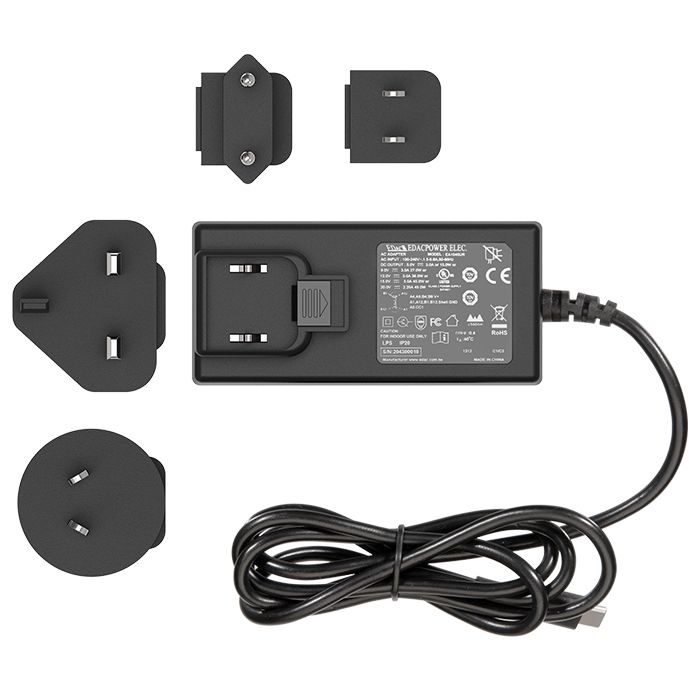
The charging method also matters. Using a wall adapter is generally less efficient than charging via a computer’s USB port. Consider using a renewable energy source to power your charger, further reducing your environmental impact. The trend towards USB-C charging is a positive step, as it allows for faster and more efficient charging.
Repairability & Longevity: Fighting Planned Obsolescence
A vaporizer that’s easy to repair is a more sustainable vaporizer. Unfortunately, many manufacturers actively discourage repair, making it difficult or impossible to obtain replacement parts. This practice, known as planned obsolescence, contributes to electronic waste. We strongly advocate for the right to repair.
The availability of replacement parts is a key indicator of a manufacturer’s commitment to sustainability. Can you easily purchase a new heating element, battery, or mouthpiece? Does the company provide repair guides or tutorials? Some manufacturers, like Storz & Bickel, offer excellent repair services and readily available parts.
Designing vaporizers with modular components can also enhance repairability. If a single component fails, you can simply replace that component instead of the entire device. This extends the lifespan of the vaporizer and reduces waste. Considering a device’s longevity is as important as its initial environmental impact.
Standout Picks
The quest for more sustainable vaporizers is ongoing. We’re seeing some promising innovations, such as the development of new bioplastics with improved compostability and the exploration of alternative heating technologies. Modular designs, allowing for easy component replacement, are also gaining traction.
Some companies are experimenting with closed-loop recycling programs, where customers can return their old devices for responsible recycling. This helps to recover valuable materials and reduce waste. The industry is slowly but surely moving towards a more circular economy. It’s an exciting time for eco-conscious consumers.

No comments yet. Be the first to share your thoughts!