

USB-C: A Vaping Revolution
Vaporizer batteries used to take forever to charge, often dying mid-session. Now, USB-C is changing that, becoming the standard for portable vaporizers and offering a hassle-free experience.
USB-C is more than just a new port. It delivers power much faster than older standards like Micro-USB, which is crucial for vaporizers with large batteries. Plus, you probably already have a USB-C charger for your phone, cutting down on cable clutter.
USB-C is also convenient. It's reversible, so no more fumbling in the dark to plug it in. Since most tech uses USB-C now, finding a charger is easy. Manufacturers are adopting this standard, and it’s easy to see why.
Technologies like Power Delivery (PD) and Quick Charge (QC) use USB-C to enable even faster charging. Both the vaporizer and the charger must support these standards for them to work. Knowing these terms helps when comparing models.
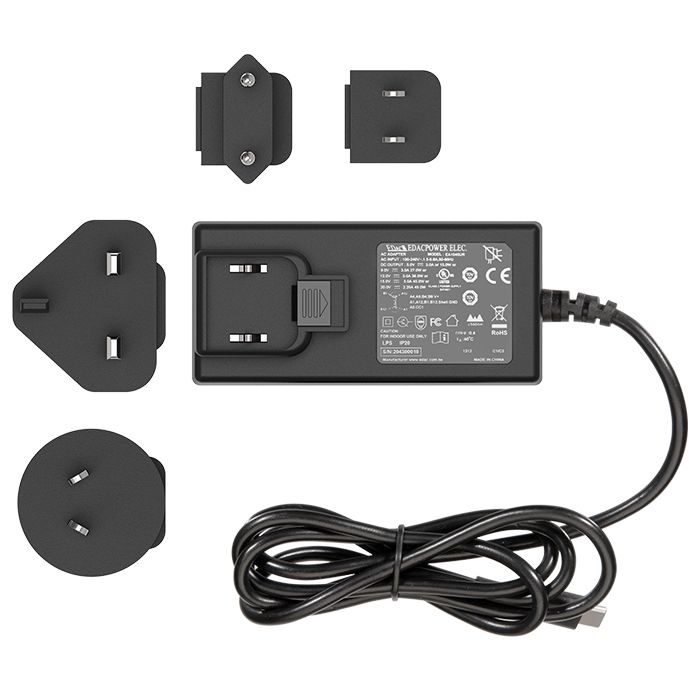
Fast Charging Standards Explained
Power Delivery (PD) lets devices send and receive power. This means faster charging for vaporizers with a compatible charger. PD profiles specify wattage, with options like 18W, 45W, and 60W – higher numbers mean faster charging.
Quick Charge (QC) is another fast-charging standard from Qualcomm. While PD is more common, QC is still found on many devices. Like PD, both the charger and device need to support QC to work. Quick Charge 5 offers even higher wattage.
Not all USB-C chargers are the same. A standard USB-C charger is faster than Micro-USB, but won't offer the full benefits of PD or QC. If speed matters, choose a charger that explicitly supports PD or QC.
Most vaporizers don't list specific charging wattage, making comparisons difficult and manufacturer claims unreliable.
Top USB-C Vaporizers of 2026
The market is adapting to USB-C, with several models offering fast charging and good performance. Based on reviews, here are some of the top USB-C vaporizers for 2026. Remember, 'best' depends on your needs.
The XMAX V3 Pro is praised for its value. It has a replaceable 18650 battery and USB-C charging, taking about 90-120 minutes to fully charge with a PD charger. This hybrid convection/conduction vaporizer handles dry herb and concentrates. Its size and price make it a good choice for beginners.
The Tinymight 2 is a premium choice for vapor quality and on-demand heating. It has USB-C charging, with users reporting a 2-3 hour charge time. Its focus is performance over speed. Wirecutter notes its ease of use for beginners.
The Healthy Rips Rogue balances performance and portability. It uses USB-C for charging, taking about 2.5 hours for a full charge. The Rogue is known for efficient heating and a discreet design.
For concentrate fans, the Puffit X stands out. It heats up fast and produces strong vapor. With USB-C charging, it fully charges in about 60-90 minutes. Its ceramic element provides a clean, flavorful experience.
The Arizer Solo 3 is a reliable dry herb vaporizer. It has USB-C charging, taking about 3 hours for a full charge, and offers precise temperature control. Vaporizer Wizard often lists it among the best portables.
The Boundless CFC 2.0 is an affordable option with USB-C charging. It takes longer to charge, around 3-4 hours, but it's a solid choice for budget users. It’s a simple, straightforward vaporizer.
USB-C Fast Charging Vaporizers - 2026 Comparison
| Model | Battery Life | Charging Time | Material Compatibility | Price Range |
|---|---|---|---|---|
| XMAX V3 Pro | Good | Fast | Dry Herb/Concentrate | $ - $$ |
| POTV One | Average | Moderate | Dry Herb | $$ |
| Healthy Rips Rogue | Good | Fast | Dry Herb/Concentrate | $$ - $$$ |
| Arizer Air Max | Excellent | Moderate | Dry Herb | $$$ |
| Tinymight 2 | Excellent | Fastest | Dry Herb/Concentrate | $$$$ |
| Firewood 9 | Average | Moderate | Dry Herb | $$ - $$$ |
| Boundless CFC 2.0 | Average | Moderate | Dry Herb/Concentrate | $ - $$ |
Illustrative comparison based on the article research brief. Verify current pricing, limits, and product details in the official docs before relying on it.
Charging Times: Real-World Tests
Independent charging time tests for vaporizers are rare. Manufacturer estimates vary based on the charger, battery condition, and temperature, making direct comparisons difficult.
Based on user reports and limited testing from sources like Vaporizer Wizard, the Puffit X appears to offer the fastest charging times, typically around 60-90 minutes with a compatible USB-C PD charger. The XMAX V3 Pro falls in the 90-120 minute range, while models like the Arizer Solo 3 and Boundless CFC 2.0 take considerably longer, closer to 3-4 hours.
Battery capacity plays a significant role. Vaporizers with larger batteries, like some desktop models that can be used portably, will naturally take longer to charge, even with fast charging technology. For example, a vaporizer with a 3000mAh battery will take longer to charge than one with a 2000mAh battery, all else being equal.
Bottom vs. Side USB-C Ports
USB-C port placement on a vaporizer can affect usability. Some debate exists about bottom-mounted versus side-mounted ports. Bottom ports allow vaping while charging, which is convenient.
Bottom ports can strain the charging cable, leading to wear. The cable angle can be awkward, and it's easier to tug it while vaping. Side ports offer a more secure connection and reduce cable strain, but prevent vaping while charging.
The best port placement is personal preference. If you want to vape while charging, choose a bottom port. If cable durability is more important, opt for a side port.
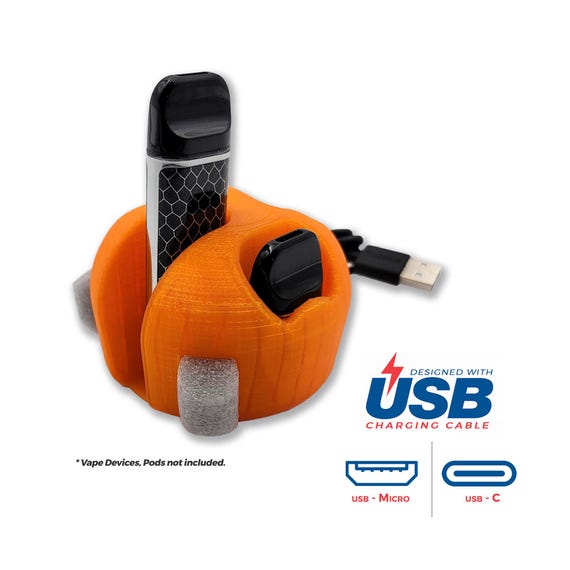
Beyond Speed: Other USB-C Benefits
USB-C offers more than just faster charging. The reversible connector eliminates the frustration of plugging it in the wrong way
While less common in vaporizers, the USB-C port also has the potential for data transfer, allowing for firmware updates or other connectivity features. The increasing prevalence of USB-C chargers means you likely already have one, reducing the need for a dedicated vaporizer charger and simplifying your setup.
The widespread adoption of USB-C is making it easier to find compatible chargers and cables, reducing clutter and making travel more convenient. This standardization is a welcome change for anyone who owns multiple devices.
Troubleshooting USB-C Charging Issues
If your USB-C vaporizer isn’t charging, the first step is to try a different USB-C cable. Cables can wear out or become damaged, even if they appear to be in good condition. Next, try a different USB-C charger. Ensure the charger is functioning correctly by testing it with another device.
If the problem persists, try a different USB port on your computer or wall adapter. Sometimes, a particular port may not be providing enough power. It’s also worth checking the vaporizer’s charging port for any debris or damage. Use a soft brush or compressed air to clean the port if necessary.
Always use a reputable charger from a trusted brand to avoid damaging the vaporizer’s battery. Cheap or poorly made chargers can deliver inconsistent power and potentially shorten the battery’s lifespan. If you’re still experiencing issues, consult the vaporizer’s manufacturer for assistance.
The Future of Vaporizer Charging
We can expect to see even faster charging speeds in future vaporizers as USB-C PD technology continues to evolve. The development of new battery technologies, such as solid-state batteries, could also contribute to faster charging times and increased battery capacity.
Wireless charging is another potential innovation. While it’s not yet widespread in the vaporizer market, it could offer a more convenient and cable-free charging experience. More sophisticated battery management systems will likely become commonplace, optimizing charging cycles and extending battery life.
The trend towards USB-C is likely to continue, with more and more manufacturers adopting the standard. This will lead to greater compatibility and convenience for users. We may also see the integration of more advanced charging features, such as adaptive charging, which adjusts the charging speed based on the battery’s needs.


No comments yet. Be the first to share your thoughts!