
Best portable and desktop vaporizers
Choosing between a portable and a desktop vaporizer depends on how you plan to use it. Portables offer discretion and battery power, while desktops provide higher throughput and consistency for stationary sessions. The following models represent the current top contenders across both categories, based on hardware specs, vapor quality, and user value.
The Storz & Bickel Venty stands out as a top portable pick for its hybrid heating technology and robust build quality. For those prioritizing flavor, the Solo 3 and Tinymight 2 deliver clean, aromatic vapor through precise convection control. On the desktop side, the Mighty+ (often paired with desktop setups) and the Volcano hybrid remain benchmarks for consistency and ease of use.
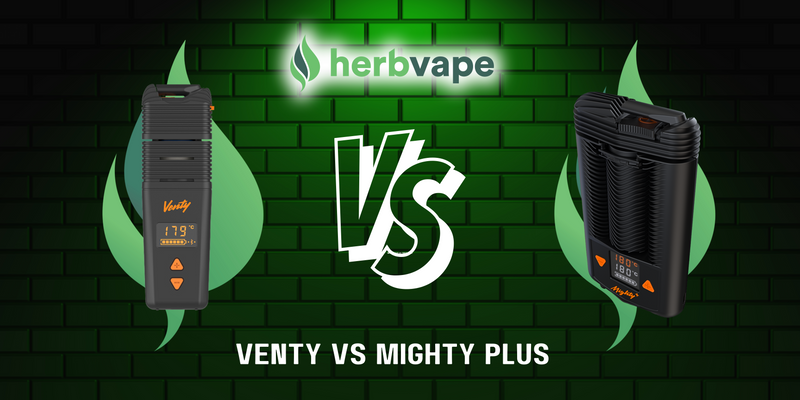
Here is a quick comparison of the leading models to help you decide which features matter most for your setup.
| Model | Type | Heating Tech | Price Range | Best For |
|---|---|---|---|---|
| Storz & Bickel Venty | Portable | Hybrid | $350–$400 | Overall Quality |
| Pax Flow | Portable | Convection | $250–$300 | Pocket-Friendly |
| Utillian 723 | Portable | Convection | $150–$180 | Budget Value |
| Storz & Bickel Mighty+ | Desktop/Portable | $250–$300 | Versatility | |
| Volcano Hybrid | Desktop | Hybrid | $900–$1,000 | Heavy Use |
How we tested these models
We evaluated portable and desktop vaporizers using a consistent set of hardware benchmarks to determine which devices earn a spot on our best vaporizers list. Our testing process moves beyond manufacturer specifications, focusing on real-world performance metrics that matter to daily users.
We began by measuring heat-up times and temperature consistency. Each unit was tested from cold start to target temperature, and then monitored for stability over a 30-minute period. This helps identify devices that drift significantly from their set points, a common issue in lower-quality convection models.
Battery life and vapor quality were assessed through standardized usage cycles. We recorded the number of full draws per charge for battery-powered units and evaluated the density and flavor profile of the vapor produced. For this evaluation, we referenced detailed performance data from reputable industry sources like Planet of the Vapes and Vaporizer Wizard to validate our independent findings.
Finally, we judged ease of use and build quality. This included assessing button responsiveness, mouthpiece temperature, and the simplicity of cleaning procedures. A vaporizer that performs well but is difficult to maintain or operate quickly loses value in our ranking.
Portable vaporizers for on the go
Use this section to make the Best Vaporizers decision easier to compare in real life, not just on paper. Start with the reader's actual constraint, then separate must-have requirements from details that are merely nice to have. A practical choice should survive normal use, maintenance, timing, and budget. If a recommendation only works in an ideal situation, call that out plainly and give the reader a fallback path.
The simplest way to use this section is to write down the must-have criteria first, then compare each option against those criteria before weighing nice-to-have features.
Desktop vaporizers for home use
Use this section to make the Best Vaporizers decision easier to compare in real life, not just on paper. Start with the reader's actual constraint, then separate must-have requirements from details that are merely nice to have. A practical choice should survive normal use, maintenance, timing, and budget. If a recommendation only works in an ideal situation, call that out plainly and give the reader a fallback path.
The simplest way to use this section is to write down the must-have criteria first, then compare each option against those criteria before weighing nice-to-have features.
Convection vs. conduction: how your vaporizer heats
The heating method defines your experience. Conduction vaporizers heat a metal chamber or screen, transferring thermal energy directly to the material through contact. This approach is mechanically simple and often faster to reach operating temperature, which can make it appealing for quick sessions or budget-friendly devices.
Convection vaporizers work differently. They use hot air to circulate through the material, heating it from the inside out. This method tends to provide a more even draw and can preserve flavor profiles better by avoiding the scorching that sometimes occurs with direct contact heating. Many premium portable and desktop units rely on this technology for consistency.
The choice between the two often comes down to priority. If you value speed and lower upfront cost, conduction is a practical entry point. For those seeking richer flavor and smoother hits, convection is generally the preferred route, though it often comes with a higher price tag and potentially longer heat-up times.
Choosing the right vaporizer for you
Selecting a vaporizer depends on your primary use case. The market splits devices into two main categories: portable units for on-the-go sessions and desktop models for stationary, high-capacity use. Your decision should balance portability, flavor profile, and budget.
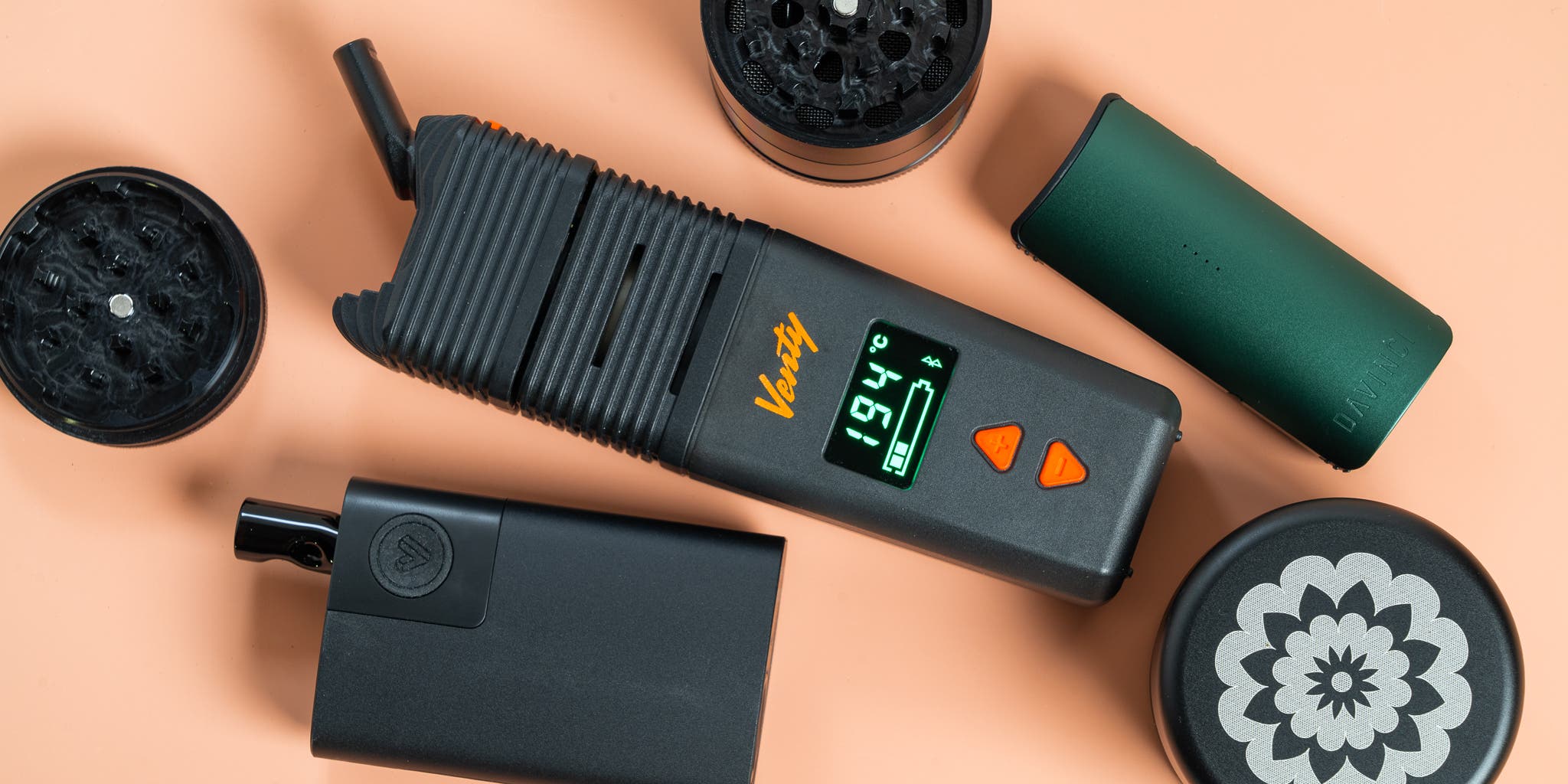
If you travel frequently or need discreet sessions, choose a portable vaporizer. Look for devices with robust battery life and quick heat-up times. Models like the Storz & Bickel Venty or the Zeus Arc GT4 offer premium build quality and consistent performance for users who value convenience.
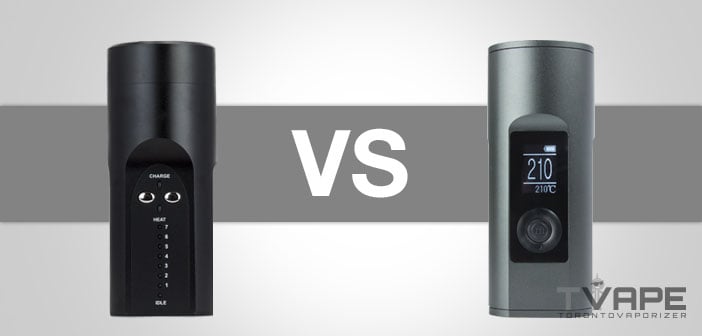
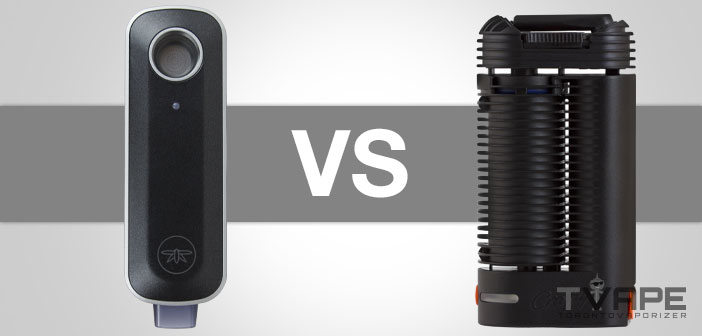
For users who prioritize taste, convection heating is essential. Convection vaporizers use heated air to pass through the material, preserving nuanced flavors better than conduction models. The Tinymight 2 and Veazy are frequently cited for their exceptional flavor profiles, making them ideal for connoisseurs.
Budget constraints often dictate the feature set. Entry-level devices like the Dynavap G3 offer reliable manual control at a low price point. Mid-range options like the Utillian 723 provide automatic temperature control and consistent draws. High-end desktop units, such as the Volcano, deliver maximum vapor production but require a significant investment and dedicated space.
No comments yet. Be the first to share your thoughts!