

AI in vaping
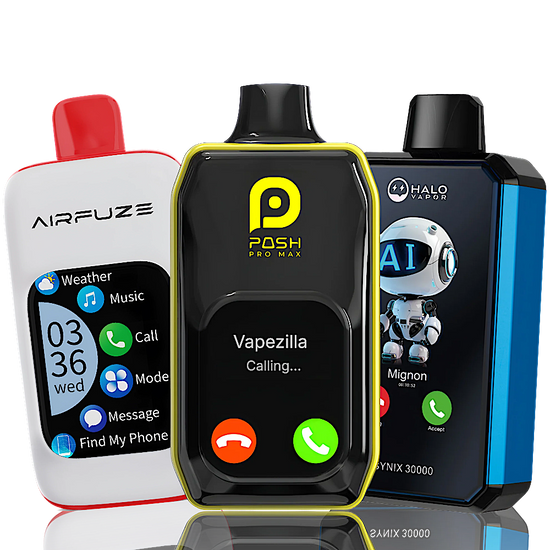
It’s happening faster than many predicted. Artificial intelligence, once relegated to science fiction, is rapidly becoming a tangible part of everyday life – and vaping is no exception. When people hear "AI vaporizer’, the image that often comes to mind is of complex robotics, but that’s not quite right. The AI isn’t building the device; it"s working within it, changing how the device responds to the user.
At its heart, AI in vaporizers represents a shift toward personalization. These devices are designed to learn from your habits, analyze your data, and automatically adjust settings to create a more tailored experience. Initially, there was skepticism – would this just be another marketing gimmick? But the potential for optimizing performance and enhancing user satisfaction is proving to be a strong draw.
The regulatory environment surrounding vaping is constantly evolving, and AI could play a role in navigating this complexity. Features like age verification and usage tracking could become more sophisticated, potentially aiding in compliance and promoting responsible use. This isn’t just about better vapor; it's about a smarter, more adaptable device that responds to individual needs and a changing legal landscape.

Current AI vaporizer models
The Pax Four is currently leading the charge, and according to a recent review from The New York Times (2026), its hybrid heating technology delivers “50% more vapor and faster heat up” compared to previous Pax iterations. This isn’t just incremental improvement; it’s a noticeable jump in performance driven by intelligent heating algorithms.
Beyond Pax, several other companies are entering the fray. Storz & Bickel, known for their high-end desktop vaporizers, are reportedly working on an AI-powered portable model that will focus on precise temperature control and customized session lengths. AlphaVape has teased a device that learns your preferred airflow settings and adjusts automatically. While details are still scarce, these announcements signal a growing interest in AI integration.
The price range for these devices is, unsurprisingly, on the higher end. The Pax Four currently retails for around $400, and the forthcoming models from Storz & Bickel and AlphaVape are expected to be in a similar price bracket. There are some more affordable options emerging, but they generally offer less sophisticated AI features. It seems, for now, that a premium price tag is associated with a truly personalized vaping experience.
Some models are clearly geared toward experienced users who want fine-grained control over their sessions, while others are designed to be more user-friendly, with simpler AI features that automatically optimize performance. The key is to find a device that matches your experience level and your specific needs.
Personalized profiles
The magic of AI vaporizers lies in their ability to create personalized profiles. These devices are constantly collecting data about your vaping habits: how often you puff, the duration of each puff, your preferred temperature settings, and even the time of day you typically vape. This information isn’t just stored; it’s analyzed to identify patterns and preferences.
How does the AI actually learn? It’s not about the device "thinking" in the human sense. Instead, these vaporizers employ machine learning algorithms – specifically, pattern recognition. The AI identifies correlations between your actions and your satisfaction, and then adjusts settings to maximize that satisfaction. It's a continuous learning process, refining the experience with each session.
This data allows the AI to adjust heating curves, ensuring optimal vapor production at your preferred temperature. In some cases, the AI can even offer dosage recommendations (where legally permissible, of course). There’s also potential for suggesting different blends or strains, although this feature is still in its early stages and depends heavily on local regulations.
Beyond temperature control
AI control extends far beyond just temperature. Modern AI vaporizers are starting to manipulate airflow, dynamically adjusting it based on your puff strength and duration. This helps to ensure a smooth, consistent draw every time. The activation patterns of the heating element are also being optimized, ensuring efficient vapor production and minimizing wasted energy.
Perhaps even more intriguing is the potential for humidity control. Some manufacturers are exploring ways to use AI to regulate the moisture content of the vapor, further enhancing the flavor and smoothness. Predictive maintenance is another area of development – the AI could analyze sensor data to detect when a component is nearing failure and alert you before it breaks down.
Of course, with all this data collection comes legitimate concerns about privacy and security. Reputable manufacturers are employing robust encryption and data anonymization techniques to protect user information. It’s crucial to choose a device from a company that takes data security seriously. Look for clear privacy policies and certifications.
Expert opinions on AI vaporizers
According to Vaporizer Wizard (Danklin, 2026), the current wave of AI vaporizers represents a significant, but not entirely revolutionary, step forward. They acknowledge the potential for personalization, but caution that many of the current features feel like “marketing buzzwords” rather than genuine innovations. Their key takeaway is that the AI needs to deliver tangible benefits to justify the higher price tag.
Buzz Danklin of Vaporizer Wizard notes, “The AI is only as good as the data it collects and the algorithms it uses. Right now, many devices are simply collecting data without providing meaningful insights or adjustments.” They also highlight the importance of user control, arguing that users should be able to override the AI’s recommendations if they prefer.
The biggest challenge facing the industry, according to Vaporizer Wizard, is building trust. Users need to be confident that their data is secure and that the AI is actually improving their vaping experience, not just collecting information for other purposes. They believe the companies that prioritize transparency and user control will ultimately succeed.
AI for responsible vaping
The potential for AI to promote responsible vaping is substantial. A recent qualitative study from the University of Medical Sciences in Lodz, Poland (Sun et al., 2026) explored the use of AI-generated materials for vaping awareness, finding that personalized messaging could be more effective in reaching adolescents and young adults. This suggests that AI could be used to deliver tailored educational content to users.
AI could be used to identify potential addiction patterns by analyzing usage data. If a user is vaping excessively or exhibiting other concerning behaviors, the device could offer support resources or even restrict access to certain features. It could also be used to verify age, preventing underage access to vaping products. However, these applications raise ethical questions about surveillance and personal autonomy.
The use of AI in this context requires careful consideration. It’s essential to strike a balance between promoting responsible use and respecting individual freedom. Transparency and user consent are paramount. The goal should be to empower users with information and tools, not to control their behavior.
AI vaporizers by 2028
Looking ahead to 2028, we can expect even deeper integration between AI and vaping technology. We might see vaporizers that seamlessly integrate with other health and wellness devices, such as smartwatches and fitness trackers, to provide a more holistic picture of the user’s health. Imagine an AI that adjusts your vaping settings based on your stress levels or sleep patterns.
The potential for biometric data integration is also intriguing. Could AI predict your need for a session based on your heart rate variability or brainwave activity? This is still speculative, but the technology is rapidly advancing. We might also see a move toward more open-source AI platforms, allowing users to customize their vaping experience to an unprecedented degree.
However, there are uncertainties. Regulatory hurdles could slow down development. Concerns about data privacy and security will need to be addressed. And the cost of AI technology could remain a barrier to entry for some users. Despite these challenges, the trend toward AI-powered vaporizers is undeniable. It’s a revolution that’s reshaping how we vape, and it’s only just beginning.

No comments yet. Be the first to share your thoughts!