
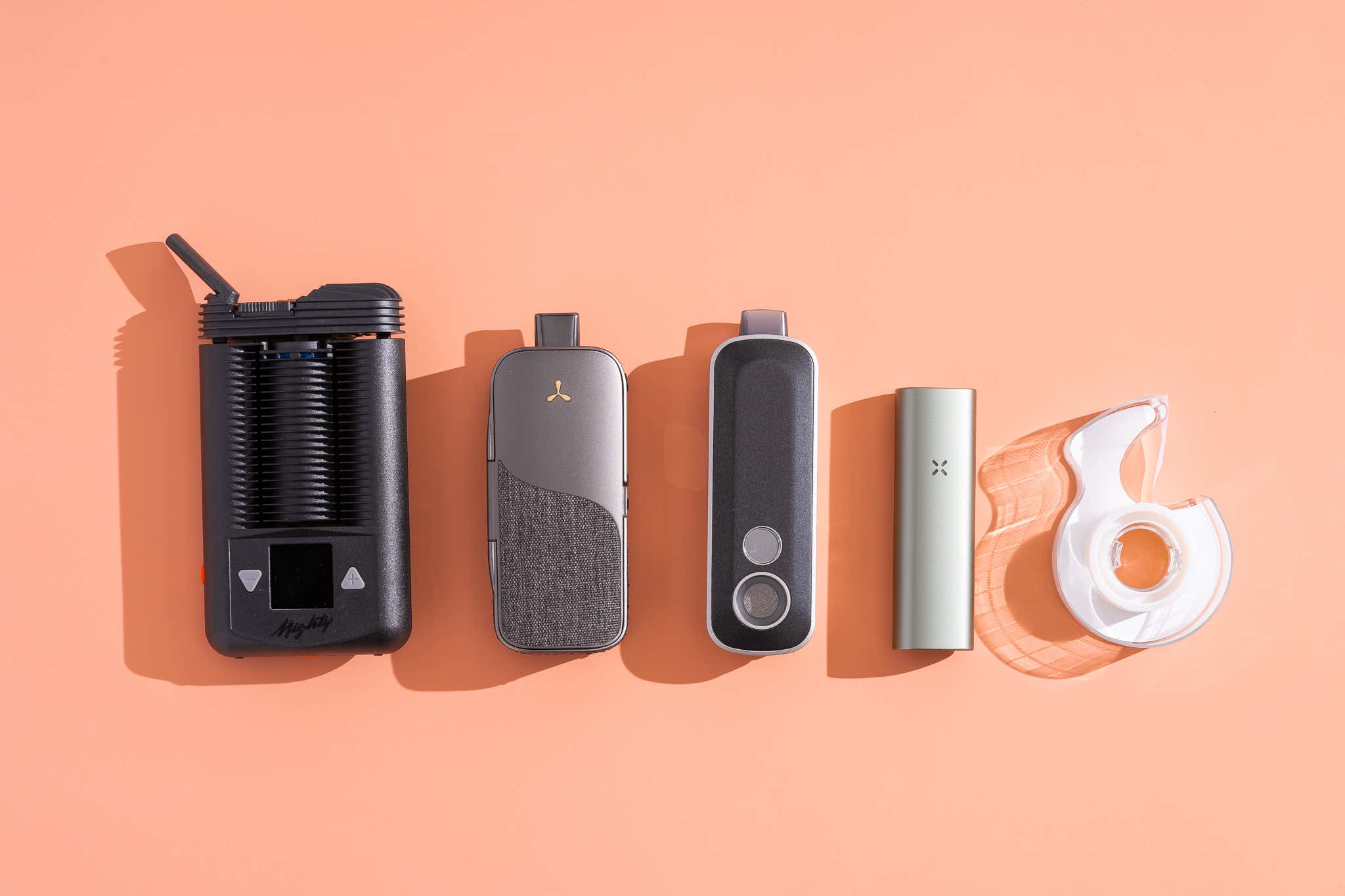

What the budget buys
In 2026, the $100 to $200 range remains the most competitive segment for portable dry herb vaporizers. At this price point, you are generally trading raw power for portability and build quality. Manufacturers have shifted focus from massive battery life to heating consistency and material durability, meaning your device will likely last longer, even if it doesn’t run for days on a single charge.
The primary tradeoff here is heating speed. Budget models often rely on convection or hybrid systems that take slightly longer to reach optimal temperature compared to premium $400+ units. However, for casual users who do not mind a two-to-three minute warm-up period, this delay is rarely a dealbreaker. The vapor quality remains smooth and flavorful, provided you stick to the included temperature presets.
Build materials also define the experience. Expect a mix of plastic housings with metal heating chambers rather than all-metal unibody designs. This keeps the device lightweight but can make it feel less premium in hand. Battery performance is another area where budget cuts show; most devices in this tier offer 45 to 60 minutes of active use, which is sufficient for a few sessions but may require mid-day charging for heavy users.
When evaluating options, prioritize devices with replaceable mouthpieces and accessible screens. Cheap o-rings and sealed batteries are common pain points in lower-tier models. A device that allows you to swap out worn parts will serve you better long-term than a sleek, sealed unit that becomes e-waste after a year. Look for brands that openly list spare part availability, as this is a strong indicator of their commitment to product longevity.
Models worth checking first
The latest vaporizer models released in 2026 have shifted toward hybrid heating systems that balance convection speed with conduction consistency. This approach aims to deliver the terpene preservation of pure convection while maintaining the rapid heat-up times users expect from modern portable devices. When evaluating these latest vaporizer models, the focus is on battery efficiency, airflow precision, and material compatibility.
Below is a comparison of the standout options currently defining the market. These selections prioritize reliable performance and distinct heating technologies rather than just brand prestige.
| Model | Heating Type | Best For | Key Detail |
|---|---|---|---|
| Storz & Bickel Venty | Hybrid | Consistent hits | Strong terpene retention |
| Storz & Bickel Mighty+ | Hybrid | Most users | Reliable vapor production |
| XVAPE Starry 4 | Convection | Overall value | Improved heating tech |
| XVAPE Avant | Conduction | Budget buyers | Discreet and under $70 |
The Storz & Bickel Venty stands out for its ability to retain terpenes through precise hybrid heating. It delivers consistent hits without the harshness sometimes associated with pure convection models, making it a top choice for those who prioritize flavor. The Mighty+ remains the benchmark for most users due to its balanced performance and durable build, offering a no-nonsense experience that rarely disappoints.
For those seeking value, the XVAPE Starry 4 represents the latest generation of affordable convection devices. Its improved heating elements address previous batch inconsistencies, offering a smoother draw at a lower price point. The XVAPE Avant serves the budget-conscious segment, providing a discreet, reliable conduction experience under $70, though it lacks the advanced airflow controls of its pricier siblings.
Check before you buy
High-end vaporizers are precision instruments, and the most expensive failures usually happen in the airflow path or at the battery interface. Before you commit to a new model, inspect these specific points to avoid the most common repair bills.
These checks take less than five minutes but can save you from returning a defective unit or facing costly repairs down the line. Focus on the physical connections first, as they are the most common points of failure in portable vaporizers.
Costs That Change the Math
A low purchase price rarely tells the whole story. The real expense of a vaporizer comes from the components that wear out, degrade, or need replacement over time. When you factor in these recurring costs, a budget device can quickly become more expensive than a premium model built for longevity.
The Battery Reality
Lithium-ion batteries degrade with every charge cycle. Most portable vaporizers retain 80% of their capacity after 300–500 full cycles. If you vape daily, you are looking at a battery replacement every 1–2 years.
Some brands sell proprietary replacement batteries, while others use standard 18650 cells. Proprietary cells lock you into the manufacturer’s ecosystem and often cost $20–$40. Standard cells are cheaper but require technical skill to replace safely. Always check the manufacturer’s policy on battery degradation before buying.
Replacement Parts: The Silent Cost
Vaporizers are not one-time purchases; they are assemblies of consumables.
- Mouthpieces: Cracked or stained mouthpieces affect flavor and hygiene. Replacement units range from $5 to $15.
- O-rings and Seals: Silicone degrades with heat and cleaning agents. A leaky seal means wasted vapor and heat. A full O-ring kit costs roughly $10–$20 but lasts a year or more.
- Batteries: As noted, these are the most significant recurring cost for portable devices.
Maintenance and Cleaning
Residue buildup from herb or concentrate reduces heating efficiency. Cleaning kits, isopropyl alcohol, and brushes add a small annual cost. However, neglecting cleaning accelerates wear on heating chambers and screens, leading to premature failure. A $10 cleaning kit saves you from a $150 replacement unit.
When a Cheap Buy Stops Being Cheap
The "buy it once, cry once" adage holds weight in vaporization. A $100 device with proprietary, non-replaceable parts and a weak battery may cost $200 over three years. A $250 device with standard parts and a robust battery may cost $270 over the same period. The difference is marginal, but the experience is not.
Prioritize devices with available spare parts and replaceable batteries. Avoid models where the battery is glued inside the chassis or where replacement parts are discontinued after one year. The initial savings are rarely worth the long-term frustration.
Common questions
Navigating the 2026 vaporizer market means weighing new heating technologies against battery life and portability. Here are the practical answers to the most frequent buyer objections.
Choosing the right device depends on your specific use case. Prioritize battery life if you travel frequently, and focus on heating technology if flavor is your main concern.
No comments yet. Be the first to share your thoughts!