

Vaporizer tech in 2026
Portable vaporizers are standard in 2026. Most people have moved past basic discreetness and now prioritize how well a device actually extracts. This shift pushed manufacturers to move away from basic conduction toward systems that offer more precision.
The latest vaporizer models are focused on delivering a better experience – better flavor, more efficient extraction, and greater consistency. Reviews from sites like Vaporizer Wizard and the YouTube channel dedicated to vaporizer awards are highlighting a clear trend: hybrid heating systems are gaining traction. They're attempting to bridge the gap between the speed of conduction and the flavor of convection.
The market is more competitive than ever. Companies are responding with innovations in materials, airflow, and digital controls. It's a good time to be a consumer, but also a confusing one. Staying informed about the different heating methods is crucial to making the right choice for your needs. The sheer number of options makes careful research essential.
Conduction: the old reliable
Conduction heating is the original method of vaporization, and it remains widely used today. It works by directly heating the material through contact with a hot surface – typically a ceramic or metal chamber. The heat transfers from the element to your herb, causing the cannabinoids to vaporize. It’s a straightforward process, and that simplicity is part of its appeal.
The primary advantage of conduction heating is fast heat-up times. This means you can be vaping relatively quickly after turning on the device. Generally, vaporizers utilizing conduction heating are also less expensive than those employing convection or hybrid systems. However, this often comes at a cost. The direct contact with the heating element can lead to uneven heating and, if the temperature isn't carefully controlled, can even result in combustion.
While newer technologies are gaining popularity, conduction vaporizers still hold a place in the market. Some budget-friendly options and certain pen-style vaporizers still rely on this method. Vaporizer Wizard’s 2026 list acknowledges several models that prioritize affordability and simplicity over top-tier performance, often utilizing conduction heating as a core element. It's a reliable technology, but it requires more user attention to avoid burning your material.
Even with tight temperature control, conduction flavor is rarely as clean as convection. Direct contact with the heating element often cooks off delicate terpenes before you can taste them.
Convection for flavor and efficiency
Convection heating takes a different approach. Instead of directly contacting the material, it uses hot air to vaporize it. The herb is heated by being passed through a stream of hot air, similar to how a hot air oven works. This method generally results in a more even and efficient extraction of cannabinoids.
The benefits of convection heating are significant. Because the material isn't directly touching a hot surface, the risk of combustion is reduced. More importantly, convection heating preserves the flavor of your herb much better. The terpenes aren’t scorched, resulting in a cleaner, more aromatic vapor. This is a point consistently emphasized in the YouTube "Top 2026 Dry Herb Vaporizer Awards" video.
However, convection heating isn't without its drawbacks. It typically requires a longer heat-up time compared to conduction, as the air needs to reach the desired temperature. Some convection vaporizers can also be more expensive due to the more complex engineering involved. Airflow is also a critical factor; a poorly designed convection vaporizer may not provide consistent heating.
Models like the Firewood 9, often highlighted by Vaporizer Wizard, are praised specifically for their convection heating capabilities. They consistently deliver excellent flavor and efficient extraction, though they come with a higher price tag. The tradeoff between speed and flavor is a key consideration when choosing between conduction and convection.
- Hot air circulates around the entire sample for even heating.
- Lower temperatures and no direct contact help more terpenes survive, preserving flavor.
- Reduced Combustion Risk: Less likely to burn your material.
- Efficiency: Can extract more cannabinoids from your herb.
Heating System Comparison
- Convection - Heats material via hot air passing *through* it. Offers better flavor preservation as the herb isn’t directly contacting a heated surface.
- Conduction - Heats material via direct contact with a heated surface. Generally provides faster heat-up times and can be more efficient with smaller amounts of material.
- Hybrid - Combines both convection and conduction heating. Aims to balance flavor, efficiency, and heat-up speed.
- Flavor - Convection typically delivers the purest flavor profile, followed by hybrid, with conduction sometimes resulting in a slightly harsher taste due to potential for scorching.
- Efficiency - Conduction vaporizers, like the Pax Plus, are often more efficient with smaller loads, while convection, like the Firewood 9, excels with larger bowls.
- Heat-Up Time - Conduction vaporizers (e.g., XMAX V3 Pro) generally heat up faster – often within 30-60 seconds – compared to convection models which can take 60-90+ seconds.
- Combustion Risk - Conduction heating carries a slightly higher risk of combustion if temperature control isn’t precise, whereas convection minimizes this risk due to the lack of direct contact.
- Examples - Popular convection vaporizers include the Storz & Bickel Mighty+, while the Yocan Vane is a common conduction model. Many, like the DaVinci IQ2, utilize hybrid technology.
Hybrid systems and the middle ground
Hybrid heating systems attempt to combine the advantages of both conduction and convection. These vaporizers use a combination of direct contact and hot air to vaporize the material. The goal is to achieve the fast heat-up times of conduction with the flavor and efficiency of convection. It sounds ideal in theory, but it’s a complex engineering challenge.
The biggest challenge with hybrid systems is striking the right balance. Too much conduction, and you risk uneven heating and combustion. Too much convection, and you lose the quick heat-up times. The design of the heating chamber, the airflow, and the temperature control settings are all critical factors.
Many manufacturers are experimenting with different hybrid approaches. Some use a combination of a heated chamber and a convection oven, while others use a hybrid heating element that incorporates both conductive and convective properties. The success of these systems varies widely. Some perform admirably, while others fall short of expectations.
Hybrid devices live or die by their temperature sensors. If the calibration is off, you lose the benefits of both systems. These units usually cost more because they require more internal hardware to manage two heat sources at once.
2026's Top Hybrid Performers
Based on the latest reviews from Vaporizer Wizard and the YouTube awards, several hybrid vaporizers stand out in 2026. The DaVinci IQC3 consistently receives praise for its precise temperature control and flavorful vapor. It’s a bit pricey, but many users feel the performance justifies the cost. However, some users have reported issues with the mouthpiece becoming hot during extended sessions.
The Crafty+ from Storz & Bickel is another strong contender. While technically a convection vaporizer, it incorporates elements of conduction to improve heat-up times. It’s known for its reliability and excellent vapor quality, though it requires the use of a smartphone app for full control. Its smaller size makes it very portable.
The Arizer Core 2.0 offers a more affordable hybrid option. It uses a combination of conduction and convection to deliver a satisfying vapor experience. While it doesn't offer the same level of precision as the DaVinci or Crafty+, it’s a solid all-around performer. The battery life is a bit shorter than some of its competitors.
The XMAX V3 Pro is an excellent budget-friendly hybrid option. It features both conduction and convection heating, along with a replaceable battery. It's considered a great entry-level hybrid, but the build quality isn’t quite as premium as more expensive models.
Featured Products

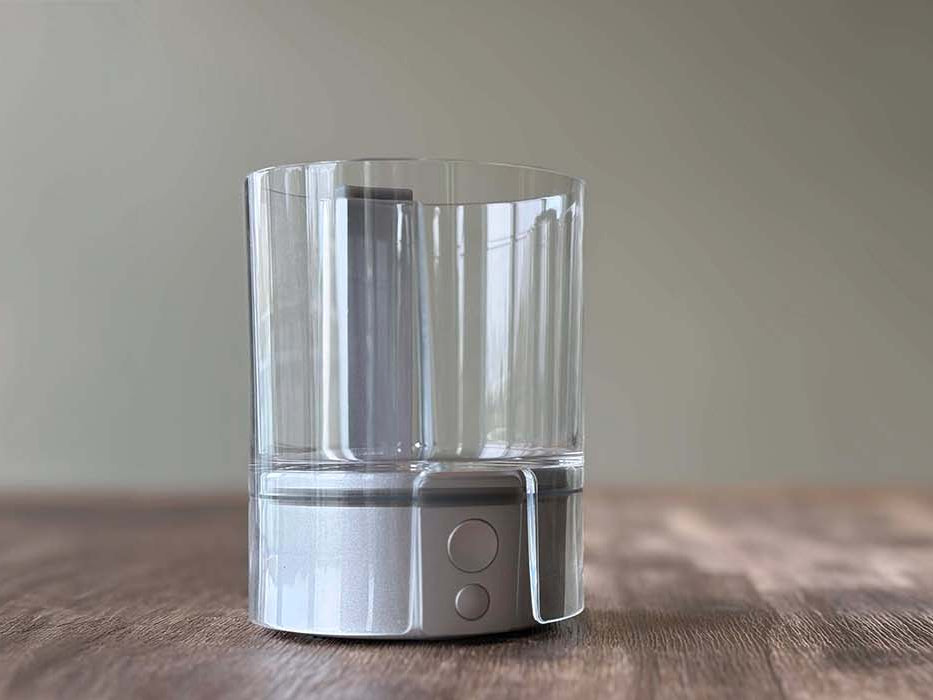
Portable and rechargeable handheld design · Suitable for adults and children · Self-cleaning function and quiet operation
This device utilizes advanced nebulizer technology for efficient vapor delivery, making it relevant for understanding vapor generation methods.
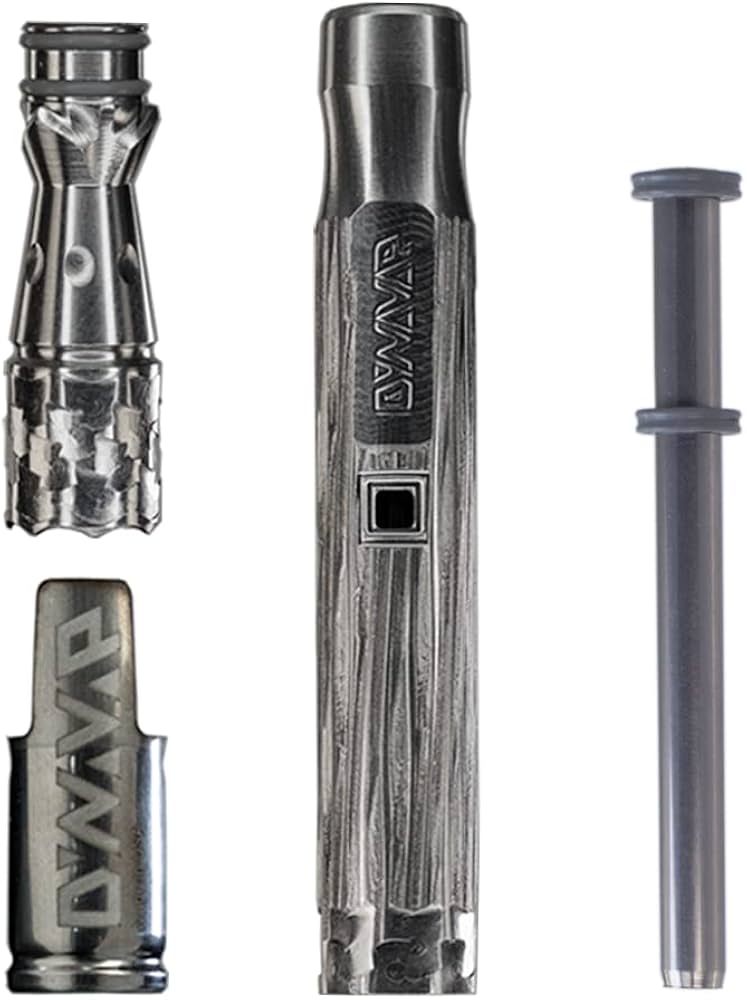
Conduction heating system · Durable stainless steel construction · Rapid heat-up time
The DynaVap M Plus is a prime example of a conduction heating vaporizer, offering a direct and efficient heating method for dry herbs.

200 pieces of stainless steel pipe filters · 15mm (0.59 inch) diameter · Includes a storage box
These pipe filters are essential accessories for certain types of vaporizers that use a conduction heating method, ensuring cleaner vapor.

Includes three 3D oven screens · Comes with a wire brush for cleaning · Designed for PAX vaporizers
This maintenance kit is crucial for users of conduction-based vaporizers like PAX, ensuring optimal performance and longevity of the heating chamber.

4.5L capacity cool mist humidifier · Can be used as an essential oil diffuser · Covers up to 323 sq. ft. and operates quietly
While primarily a humidifier, its water vaporization function provides context for understanding different methods of creating airborne moisture, relevant to vapor technology.
As an Amazon Associate I earn from qualifying purchases. Prices may vary.
The Pax Four
The Pax Four, as highlighted in the NYTimes review, represents a significant step forward in vaporizer technology. It boasts a hybrid heating system that, according to Pax Labs, produces 50% more vapor and provides faster heat-up times compared to previous Pax devices. This is a substantial claim, and the reviews generally support it.
The Pax Four’s sleek design and ease of use continue to be major selling points. It’s incredibly discreet and simple to operate, making it a great option for both beginners and experienced users. The device also features improved temperature control and a more durable construction.
However, the Pax Four isn’t without its drawbacks. The price is relatively high, and some users have reported issues with the device occasionally malfunctioning. The chamber can also be a bit small, requiring more frequent refills. Despite these minor issues, the Pax Four remains one of the most popular and highly-rated vaporizers on the market.




No comments yet. Be the first to share your thoughts!