
Top portable and desktop vaporizer picks
Choosing the right device depends on whether you prioritize portability or raw performance. The current market splits into two distinct camps: compact units for on-the-go sessions and stationary systems for home use. Based on 2026 reviews from VaporizerWizard and VapeCritic, the following models represent the best balance of flavor, battery life, and build quality.
For portable options, the Storz & Bickel Venty leads with its rapid hybrid heating and exceptional flavor clarity. The Arizer Solo 3 v2.0 remains a favorite for heavy users who need long battery life and the option to switch between portable and desktop setups. If you prefer a dedicated desktop experience, the Volcano Hybrid offers unmatched consistency and multi-user capability, while the Phantom V2 provides a more compact desktop alternative without sacrificing vapor quality.
| Model | Type | Heating | Primary Strength |
|---|---|---|---|
| Storz & Bickel Venty | Portable | Hybrid | Flavor & Speed |
| Arizer Solo 3 v2 | Portable/Desktop | Convection | Battery Life |
| Volcano Hybrid | Desktop | Convection | Multi-User |
| Phantom V2 | Desktop | Convection | Compact Design |
Portable vaporizer performance
Portable dry herb vaporizers prioritize discretion and speed, making them the preferred choice for users who need to vape on the move. The best portable devices balance compact form factors with consistent heating elements, ensuring that flavor and potency remain high even in small chambers. While desktop units offer larger capacity, modern portables have closed the gap on vapor quality through advanced convection and hybrid heating technologies.
Top contenders for on-the-go use
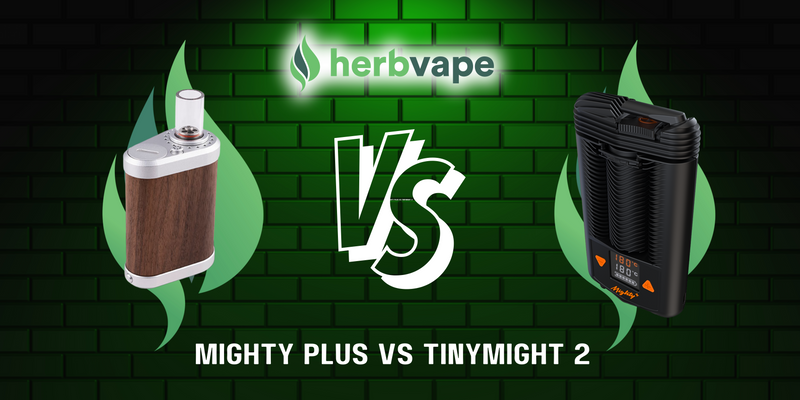
The Storz & Bickel Venty stands out as a top performer for heavy hitters, offering on-demand convection that delivers dense, flavorful clouds without the wait. Its sleek design and rapid heat-up time make it a favorite among users who value precision and portability. Similarly, the Tinymight 2 is frequently cited for its exceptional flavor profile, utilizing a unique convection system that extracts terpenes efficiently while maintaining a compact footprint.
For those prioritizing battery life and versatility, the Arizer Solo 3 remains a strong option. It supports both on-demand and timed sessions, allowing users to adjust their experience based on their schedule. The POTV Lobo also earns recognition for its robust performance and value, appealing to users who want desktop-like quality in a pocket-sized device. These models represent the current standard for portable vaporizers, balancing power with ease of use.
Why Desktop Vaporizers Still Matter
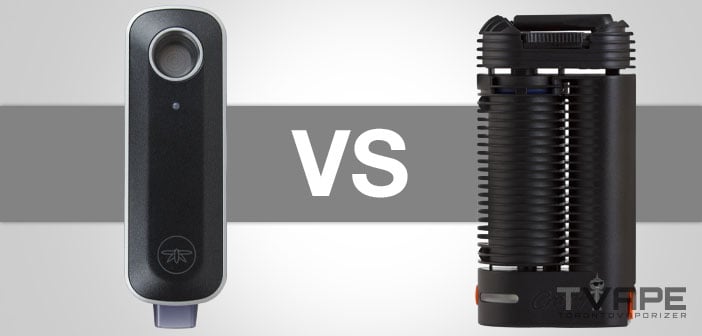
While portable units have improved significantly, desktop vaporizers remain the gold standard for home use. They offer superior heat stability and capacity that small, battery-powered devices simply cannot match. For households where discretion is less of a priority than performance, these larger units provide a more consistent and efficient experience.
The primary advantage lies in the heating element. Desktop models often feature larger chambers and more powerful heating systems, allowing for precise temperature control and even vapor production. This stability ensures that every draw tastes the same, from the first session to the last. According to reviews from VapeCritic, top-tier desktop models like the Volcano series are praised for their reliability and long-term durability.
Another key factor is long-term cost efficiency. Although the initial investment is higher, desktop vaporizers often last longer and require fewer replacements than their portable counterparts. The larger capacity also means you can use less material per session, making them a more economical choice for regular users.
Ultimately, if you are looking for the best vaporizer for home use, a desktop model provides unmatched performance and consistency. They are ideal for those who prioritize quality and efficiency over portability.
Heating methods and vapor quality
The way a device heats your material defines the entire experience. Most portable and desktop vaporizers use one of two methods: conduction or convection. Understanding this difference helps you predict flavor, efficiency, and consistency before you buy.
Conduction heating
Conduction relies on direct contact. The heating element touches the chamber walls or a metal screen, transferring heat straight to the material. This method is common in older or budget-friendly models because it is simple to manufacture.
The trade-off is uneven heating. Material touching the hot metal may burn, while the center remains cool. This often leads to harsher hits and wasted material. However, conduction devices heat up quickly, making them suitable for users who prioritize speed over nuanced flavor profiles.
Convection heating
Convection uses hot air to heat the material. A fan pulls ambient air through a heating chamber, raising the temperature until the active compounds vaporize. This method is standard in high-end best vaporizers because it offers superior control.
Because the air surrounds every particle, convection heating is far more even. You get consistent draws from start to finish, with richer flavor and less waste. The downside is complexity and cost. Convection devices require more power and sophisticated engineering, which often means a higher price point and longer heat-up times.
Hybrid systems
Some modern devices combine both methods. They use conduction for rapid initial heating and convection to maintain temperature during the draw. This hybrid approach aims to offer the best of both worlds: quick startup and even, flavorful vapor. While effective, hybrid systems add another layer of mechanical complexity that can affect long-term reliability.
How to choose your device
Selecting the best vaporizers for your needs requires balancing portability, performance, and budget. The market splits into two distinct categories: portable units for travel and desktop models for home use. Your primary use case should dictate which form factor you prioritize.
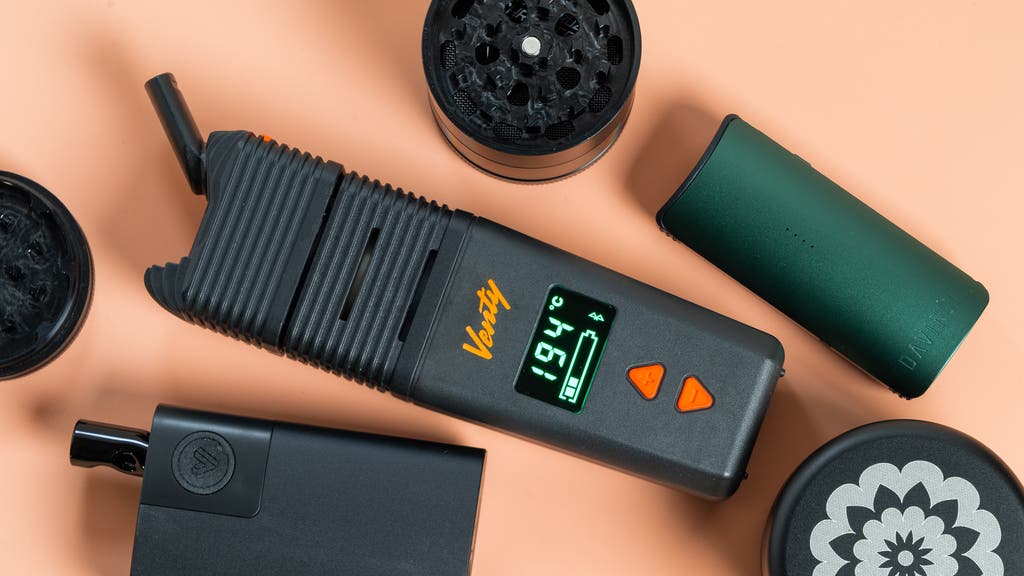
If you travel frequently or need discretion, a portable dry herb vaporizer is the logical choice. These devices are battery-powered, compact, and designed for on-the-go sessions. Look for models with fast heat-up times and durable builds that can withstand being tossed in a bag.
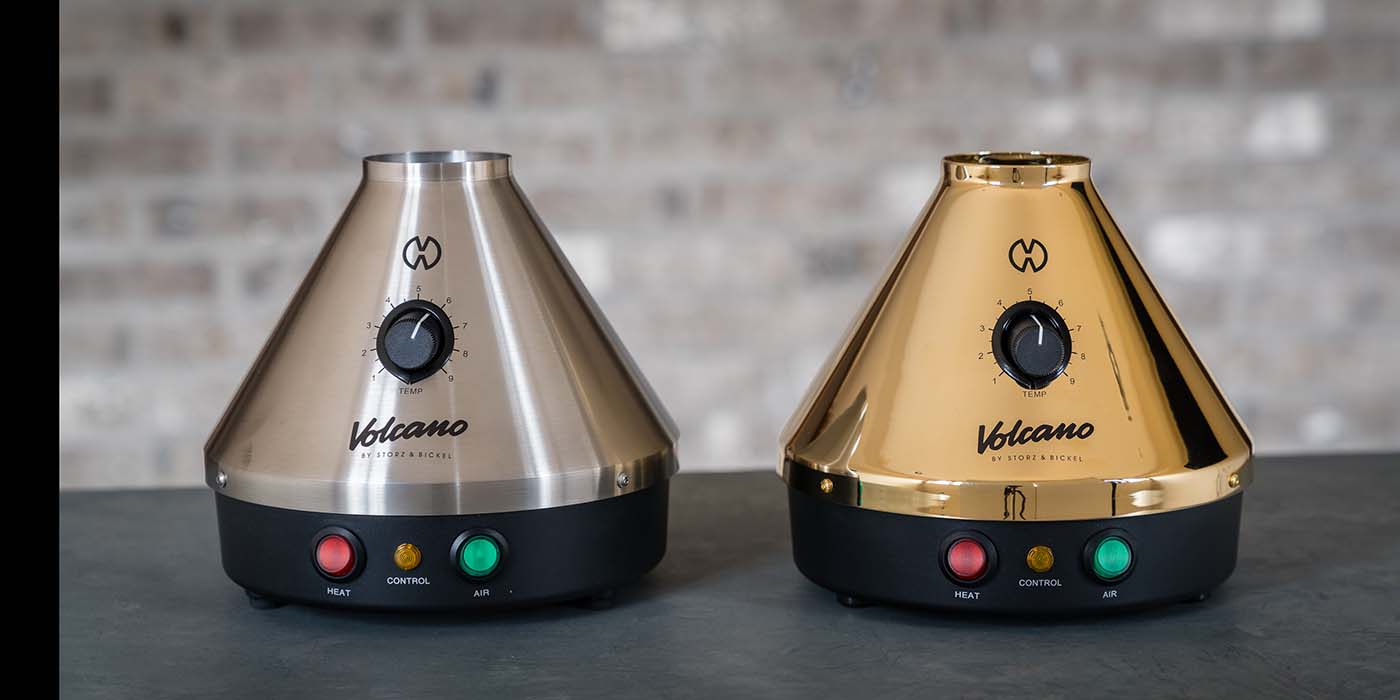
For home use, desktop vaporizers offer superior consistency and larger chamber capacities. They plug into a wall outlet, providing unlimited power for longer sessions and often feature advanced convection heating for better flavor. If you host or vape heavily, the trade-off in portability is worth the enhanced experience.
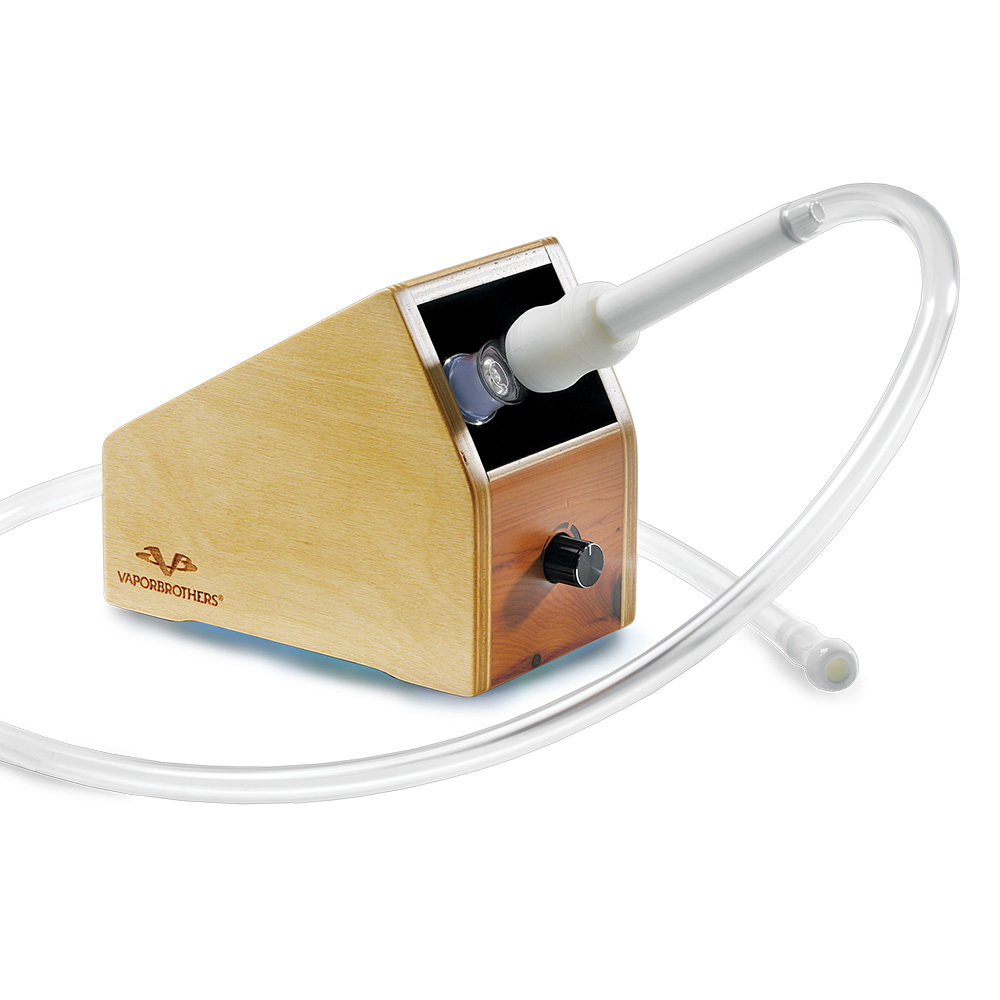
Prices range from under $100 to over $600. Entry-level devices often use conduction heating and plastic components, while premium models feature all-glass paths and precise temperature control. Research reputable sources like VaporizerWizard to ensure you are paying for genuine performance upgrades rather than brand markup.
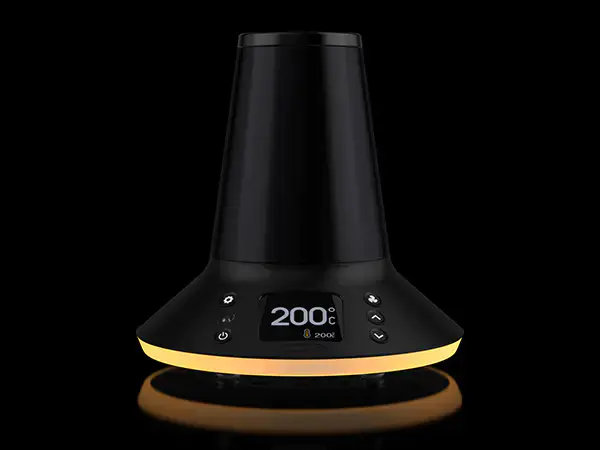
Regular cleaning is essential for longevity and flavor. Some devices require frequent brush cleaning of the mouthpiece, while others have removable screens and trays. Choose a model with accessible parts and available replacement components to keep maintenance simple and cost-effective over time.
Before finalizing your purchase, use this quick checklist to verify the device meets your specific needs:
-
Battery life exceeds 30 minutes of continuous use
-
Temperature range includes your preferred heat setting
-
Mouthpiece material is easy to clean (glass or metal preferred)
-
Warranty covers at least one year of normal use
-
Replacement parts are readily available from the manufacturer
Common questions about vaporizers
Finding the right device often comes down to matching specific features to your daily habits. Below are answers to frequent queries regarding top brands, celebrity endorsements, and device types.
No comments yet. Be the first to share your thoughts!