

Vaporizers budget
Picking a vaporizer often comes down to balancing portability against raw power. The market splits roughly into three tiers, each offering distinct tradeoffs in build quality, heating technology, and daily usability. Understanding where a device sits in that hierarchy helps you avoid paying for features you won't use or settling for weak performance in a device that claims to be "premium."
Under $150: Entry-Level Portability
At this price point, you are buying convenience. Devices like the POTV Lobo or older Pax models prioritize battery life and pocket-friendly shapes over complex temperature controls. They typically use hybrid heating (conduction and convection), which means you get decent flavor but may need to pack the chamber tighter and stir the herb more frequently to get consistent hits. These are ideal for casual users who value discretion and ease of use above all else.
$150–$400: The Sweet Spot
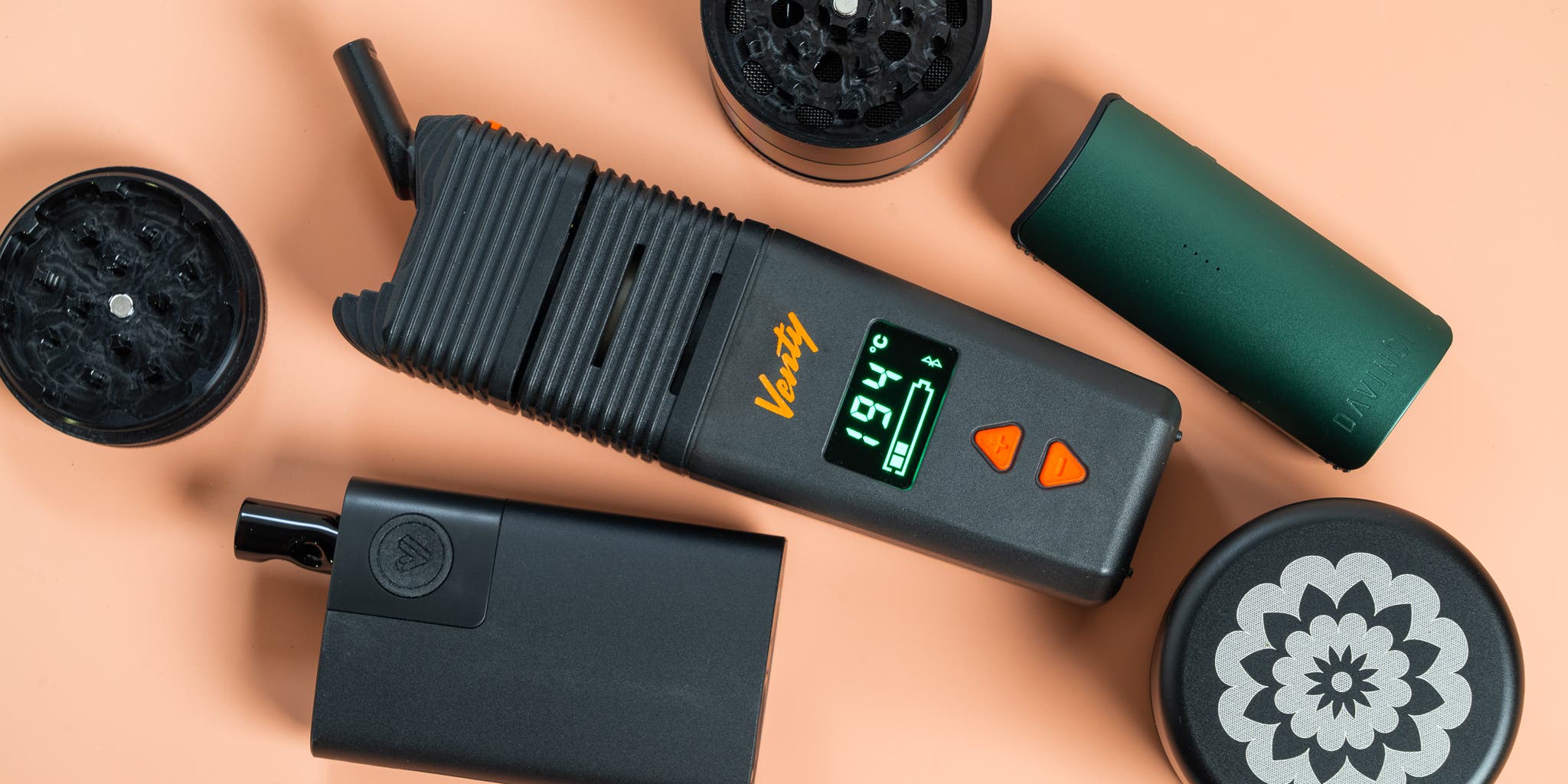
This range houses the most balanced devices, such as the Davinci IQ3 or the Venty Vaporizer. You get precise digital temperature control, better battery longevity, and often a mix of convection and conduction heating that improves flavor clarity. The Venty, for instance, is frequently cited as a top overall portable due to its rapid heat-up time and reliable app integration. If you vape daily, this is where you should anchor your budget, as the durability and performance jump significantly from entry-level models.
$400+: High-Performance Convection
Devices like the Tinymight 2 or Arizer Solo 3 v2.0 live in this tier. They are often heavier and require more maintenance, but they deliver the "hardest hitting" vapor quality through pure convection heating. The Tinymight 2, for example, is renowned for its punchy output and on-demand mode, which releases vapor instantly when you inhale. These are for enthusiasts who prioritize flavor purity and cloud density over portability and are willing to carry a slightly bulkier device to get it.
Shortlist real options
Choosing a vaporizer often comes down to how you value flavor, session length, and portability. The market is crowded, but a few models consistently outperform the rest in direct testing. We’ve narrowed the field to the strongest contenders based on vapor quality, build reliability, and user feedback.
The Storz & Bickel Venty remains the gold standard for portable units, offering a hybrid heating system that balances flavor with efficiency. For those who prioritize raw intensity over convenience, the Tinymight 2 delivers some of the punchiest vapor available in a portable form factor. If you are looking for a more budget-friendly entry point that doesn’t sacrifice core performance, the Utillian 723 stands out as a reliable convection performer.
Below is a quick comparison of these top-tier options to help you decide which features matter most for your routine.
| Model | Heating Type | Best For | Portability |
|---|---|---|---|
| Storz & Bickel Venty | Hybrid (Convection/Conduction) | Vapor Quality & Consistency | High |
| Tinymight 2 | Convection (On-Demand) | Heavy Hitters & Flavor | Medium |
| Utillian 723 | Convection (On-Demand) | Value & Long Sessions | High |
| Pax Flow | Hybrid | Pocket-Friendly Use | Very High |
| HR Rogue 2 | Conduction | Beginners | High |
Each of these devices serves a slightly different user profile. The Venty is ideal if you want a set-and-forget experience with top-tier build quality. The Tinymight 2 requires more attention to detail—grinding consistency matters more here—but rewards you with denser clouds. The Utillian 723 is a workhorse, perfect for extended sessions where battery life and steady heat are priorities. Consider your typical usage habits before committing to a specific model.
Inspect the expensive parts
Vaporizers are precision instruments. A single cracked glass stem or failed heating element can turn a $400 device into paperweight. Most repairs cost more than the replacement value of older models.
Treat maintenance like an oil change. Catching wear early keeps your vaporizer running smooth and extends its life. Skip these checks, and you will pay for them later.
Here is where to look first.
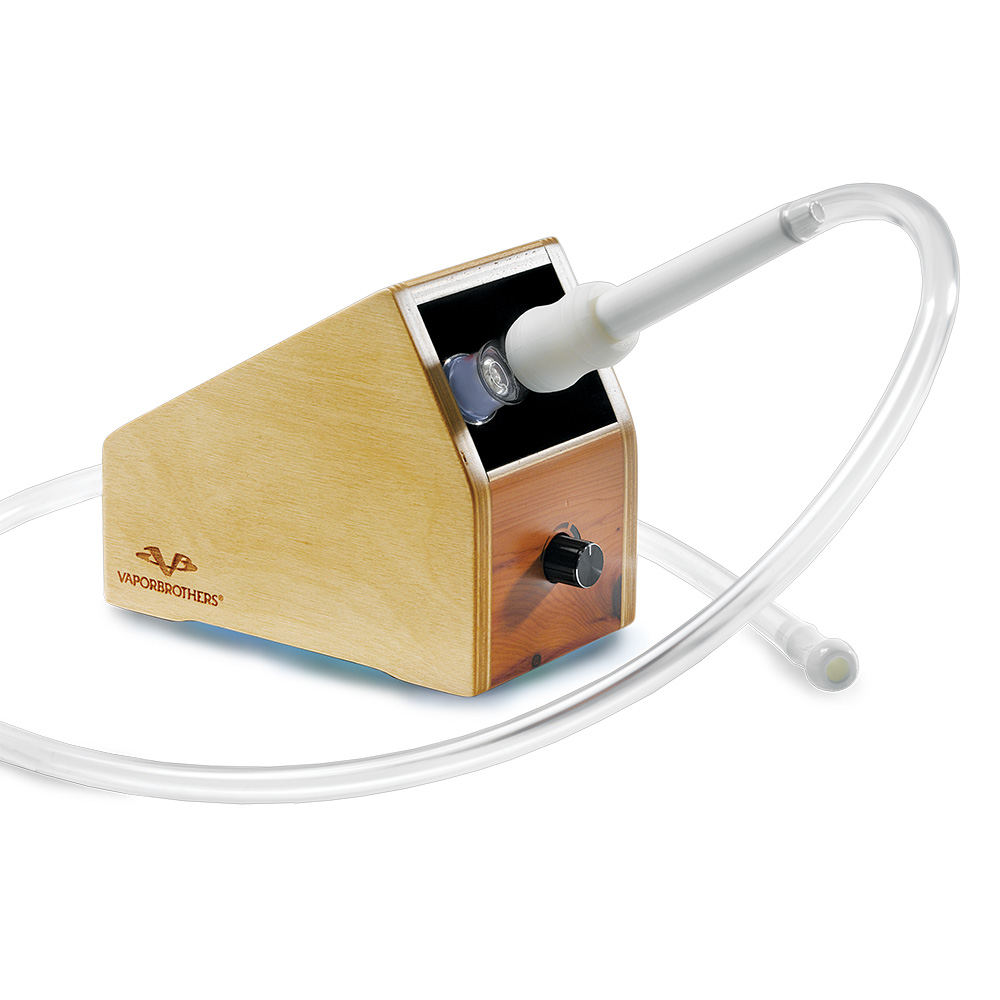
Glass stems are the number one point of failure. They are thin, fragile, and easy to lose. Remove the stem from your unit and hold it up to the light. Look for hairline cracks near the connection points or the mouthpiece. Even a small crack can cause air leaks, which ruins flavor and cooling. If it is cracked, replace it immediately.
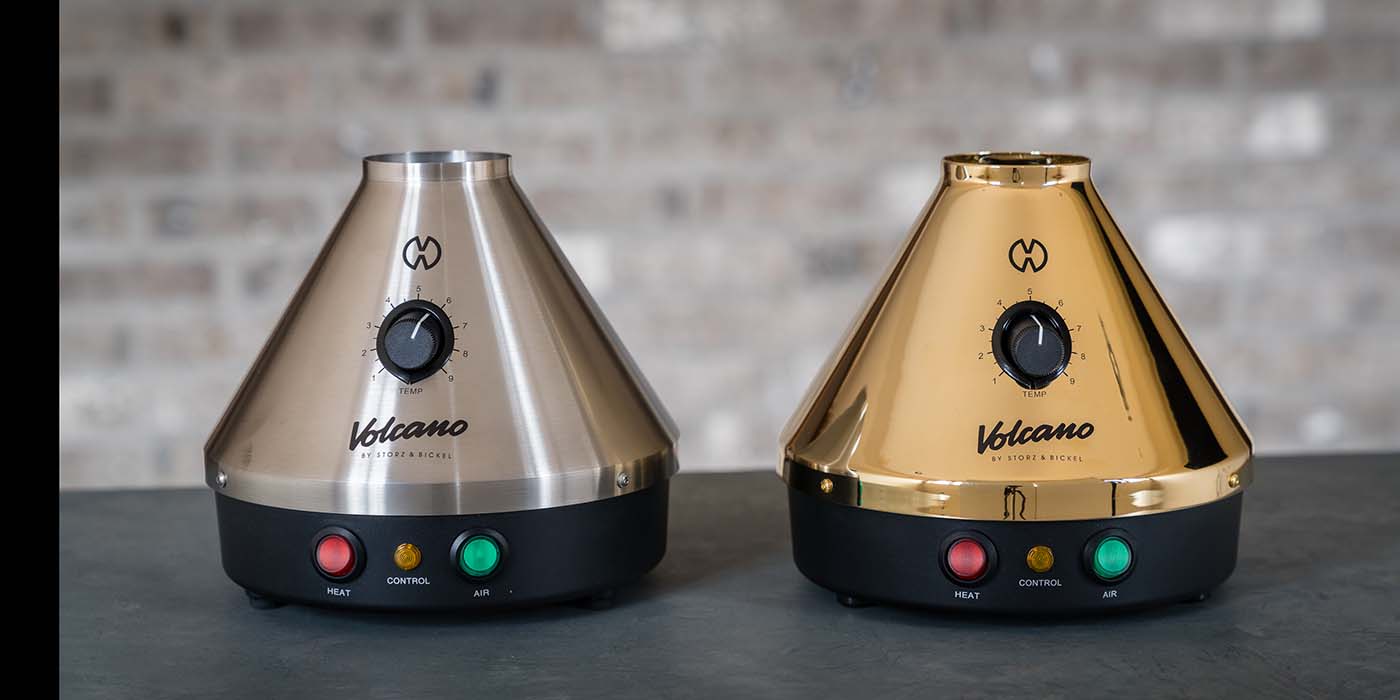
The screen sits at the bottom of the herb chamber. Its job is to keep plant material out of the heating path. Over time, resin builds up and clogs the mesh. This restricts airflow and makes the device work harder. Remove the screen and soak it in isopropyl alcohol. If the mesh is torn or bent, order a replacement. A clogged screen is the main reason for harsh, thin vapor.
The mouthpiece connects to the main body via threads. These threads take a beating from daily assembly and disassembly. Check for stripped threads or cross-threading. If the mouthpiece feels loose or wobbly, air will escape before it reaches your lungs. This results in weak hits. If the threads are damaged, you may need to replace the entire mouthpiece assembly.
Battery failure is the most expensive repair. Modern vaporizers use lithium-ion cells that degrade over time. If your device only lasts 15 minutes on a full charge, the battery is failing. Most units allow you to replace the battery yourself. Check your manufacturer's guide for the correct replacement part. Do not ignore swelling or heat issues. A swollen battery is a fire hazard.
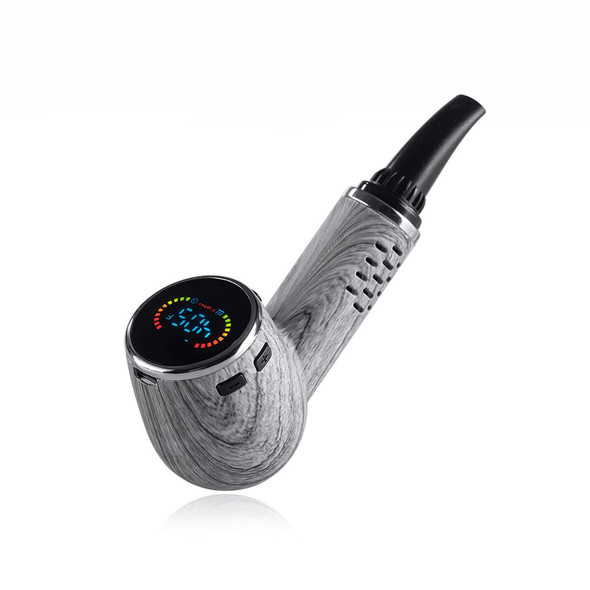
The cooling unit sits between the oven and the mouthpiece. It cools the vapor so it is smooth to inhale. Resin builds up inside the internal channels over time. This buildup restricts airflow and makes the vapor hot. Use a cleaning brush or pipe cleaners to scrub the inside. If the unit is cracked, replace it. A clogged cooling unit makes every hit feel like inhaling hot air.
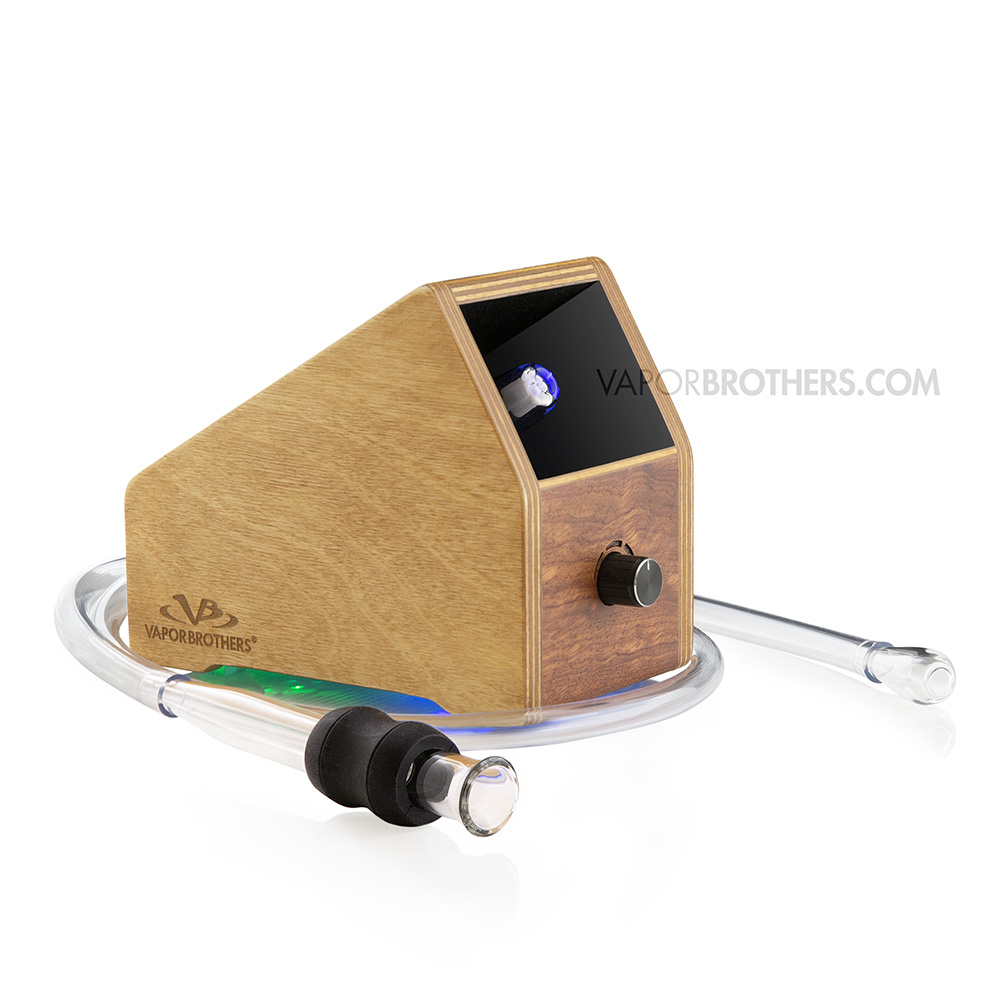
The heating element is the heart of the device. It is usually ceramic or metal. Look for discoloration or buildup on the element itself. If the element is coated in thick resin, it will not heat evenly. This leads to inconsistent vapor production. Clean it gently with a cotton swab and isopropyl alcohol. If the element is cracked or broken, the device is likely beyond repair.
Plan for ownership costs
A vaporizer’s sticker price is rarely the final cost. Even the most affordable portable units require regular maintenance to keep the heating chamber clean and the battery healthy. Neglecting these small tasks leads to clogged air paths, burnt flavor, and eventual hardware failure that forces an early replacement.
The hidden cost of cheap components
Budget models often use plastic mouthpieces and cheap seals that degrade quickly. A $100 vaporizer with poor build quality might need a replacement stem or battery every six months, while a $300 unit with ceramic or stainless steel internals can last years. The Tinymight 2, for instance, uses robust materials that handle heavy use without degrading, making it a better long-term value for heavy hitters despite the higher upfront cost.
Maintenance supplies you’ll need
Keep a small kit ready. You’ll need isopropyl alcohol (90%+), pipe cleaners, and replacement screens or filters if your model uses them. For convection units like the Tinymight 2 or Arizer Solo 3 v2.0, cleaning the airpath every few weeks prevents resin buildup that restricts airflow and reduces vapor density. For battery longevity, avoid draining to 0% and store the device at 40–60% charge if not using it for weeks.
When a cheap buy stops being cheap
If you’re vaping daily, the cost of replacement parts adds up. A $50 vaporizer that requires a $20 battery replacement twice a year costs more over two years than a $200 unit that lasts four. Look at the total cost of ownership, not just the initial price. Choose a brand with available parts and a reputation for durability, not just the lowest entry price.
Vaporizers: what to check next
We get asked the same questions before people commit to a new device. Here are the practical answers to the most common concerns, based on current testing and user data.
Which brand of vaporizer is best?
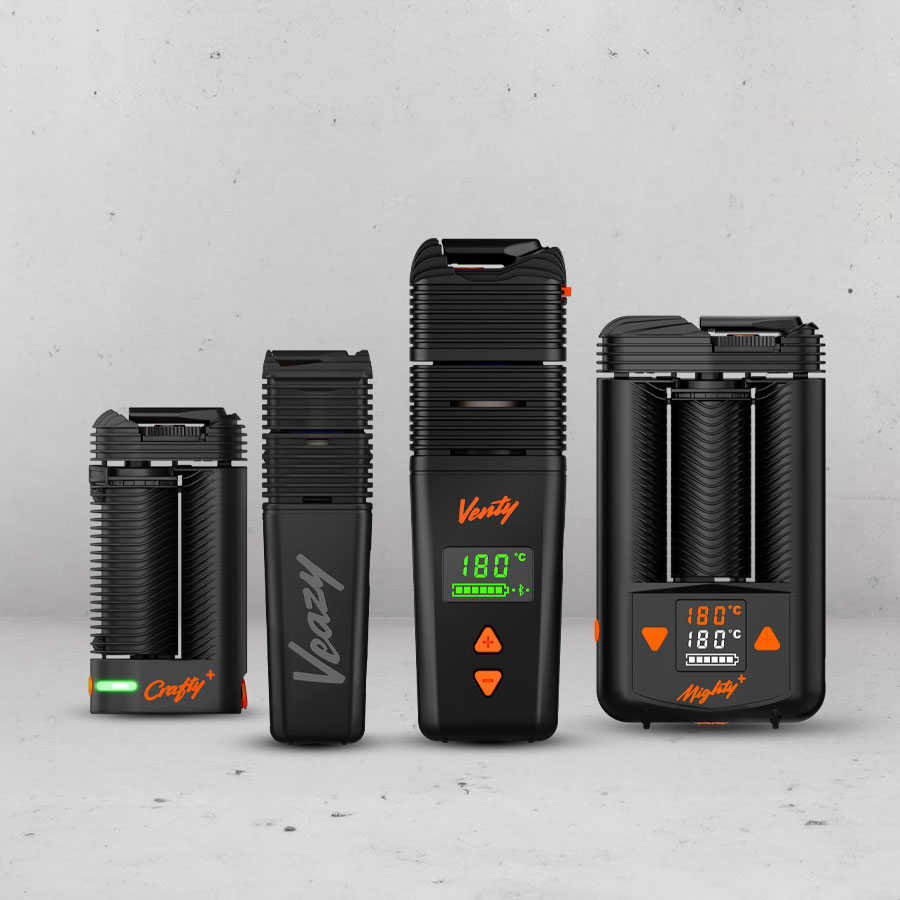
Storz & Bickel remains the gold standard for reliability and vapor quality, particularly with their Venty and Mighty+ models. For users prioritizing flavor profiles, the Tinymight 2 consistently ranks at the top of our benchmarks. If you need a budget-friendly option that doesn't sacrifice core performance, the POTV Lobo offers exceptional value for the price point.
How unhealthy is dry herb vaping?
Vaping dry herbs is widely considered a significantly healthier alternative to smoking. By heating the plant material to a specific temperature rather than burning it, you avoid the combustion process that creates tar and carbon monoxide. This method preserves the natural terpene profile while delivering a cleaner inhalation experience for your respiratory system.
What is the healthiest vape to use?
The healthiest option is a pure dry herb vaporizer that uses convection heating. Convection models, like the Venty or Arizer Solo 3, pass hot air through the herb, ensuring even heating without direct contact with metal heating chambers. This minimizes the risk of overheating the plant material and reduces the potential for inhaling byproducts from contact heating elements.
What is the hardest hitting dry herb vaporizer?
For users seeking maximum potency and cloud density, the Tinymight 2 is currently the leading portable choice. Its on-demand convection system delivers some of the punchiest vapor available in a pocket-sized device. If you prefer a more extended, controlled session rather than quick hits, the Arizer Solo 3 is also noted for its robust vapor production and consistency.
No comments yet. Be the first to share your thoughts!