
Vaporizers budget
Top Rated Vaporizers works best when the purchase path is explicit. Verify the source, compare the offer against real alternatives, check the total cost, and confirm what happens after payment before you decide. After each comparison, write down the one risk that would change your mind. If the seller, condition, support, warranty, shipping, or upkeep still feels uncertain, resolve that question before moving to checkout.
The simplest way to use this section is to verify the seller, compare the total cost, and resolve the biggest risk before you commit.
Shortlist real options
Choosing the right vaporizer often comes down to balancing portability with vapor quality. The market has shifted toward hybrid heating systems that deliver consistent sessions without the harshness of combustion. Below, we compare the strongest contenders across key performance metrics to help you decide.
| Model | Type | Heating | Best For |
|---|---|---|---|
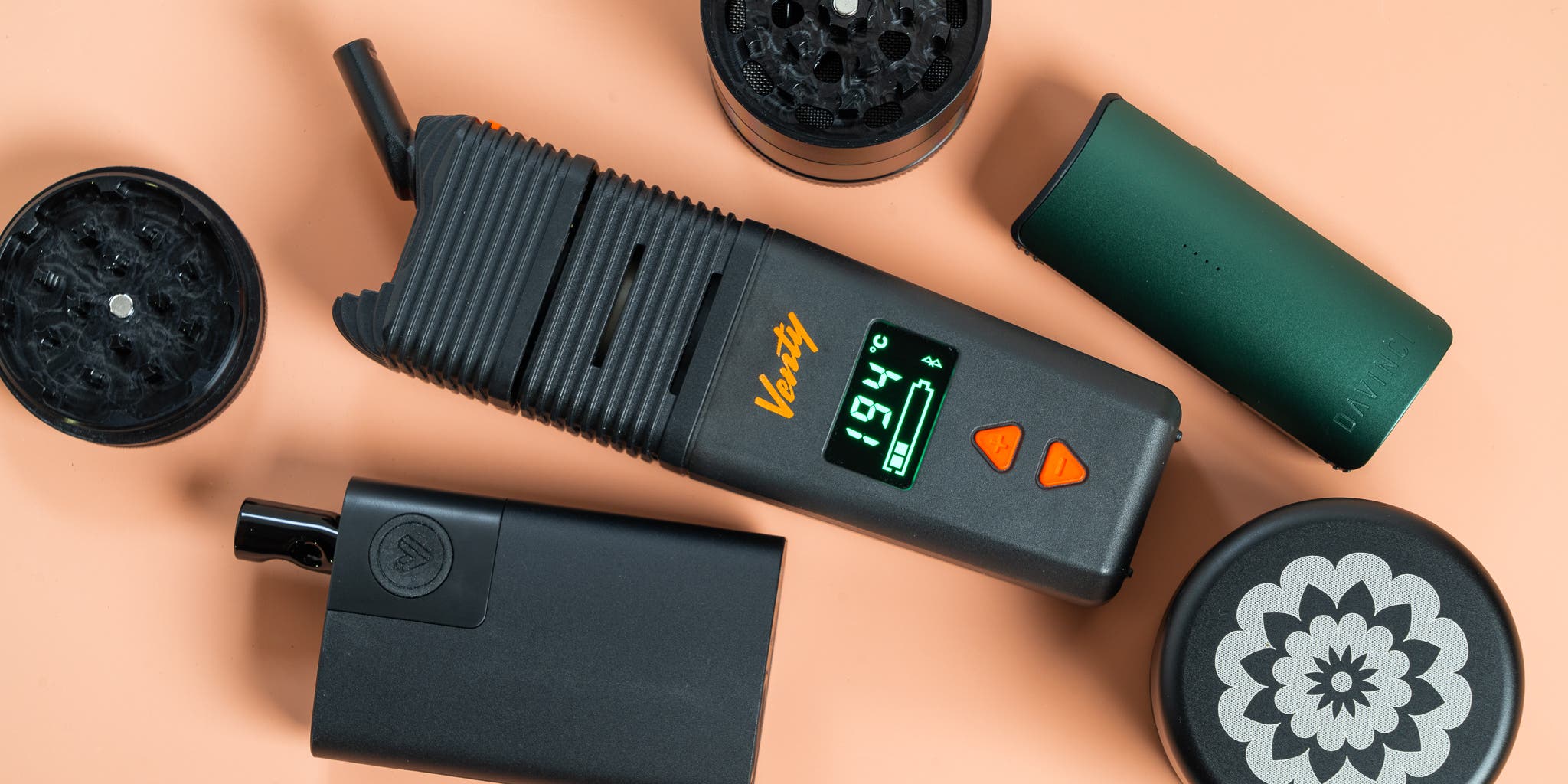
| Storz & Bickel Venty | Portable | Hybrid | Overall Vapor Quality |
| POTV Lobo | Portable | Hybrid | Value & Consistency |
| Tinymight 2 | Portable | Convection | Flavor & Heavy Hitters |
| Arizer Solo 3 v2 | Portable | Hybrid | Battery Life & Durability |
| Tafee Bowle 2.0 | Portable | Convection | On-Demand Sessions |
The Storz & Bickel Venty remains a top choice for those prioritizing vapor density and flavor clarity. Its hybrid heating system bridges the gap between conduction and convection, offering a smooth draw that scales well for both casual and heavy users. While it carries a premium price tag, the build quality and consistency justify the investment for many enthusiasts.
For budget-conscious buyers, the POTV Lobo delivers impressive performance without the high cost. It uses a hybrid heating element that warms up quickly and maintains temperature stability throughout the session. Users frequently cite its reliability and ease of use as primary reasons for choosing this model over more expensive competitors.
If flavor is your main concern, the Tinymight 2 stands out. It utilizes pure convection heating, which allows air to pass directly through the herb, extracting volatile compounds with minimal thermal degradation. This results in a cleaner taste profile, making it a favorite among connoisseurs who prioritize nuance over sheer volume.
Inspect the expensive parts
Vaporizers are precision instruments, and their repair bills often rival the cost of a new unit. The most common points of failure involve components that endure high heat, physical stress, or chemical buildup. Checking these areas regularly prevents catastrophic damage and extends the life of your device.
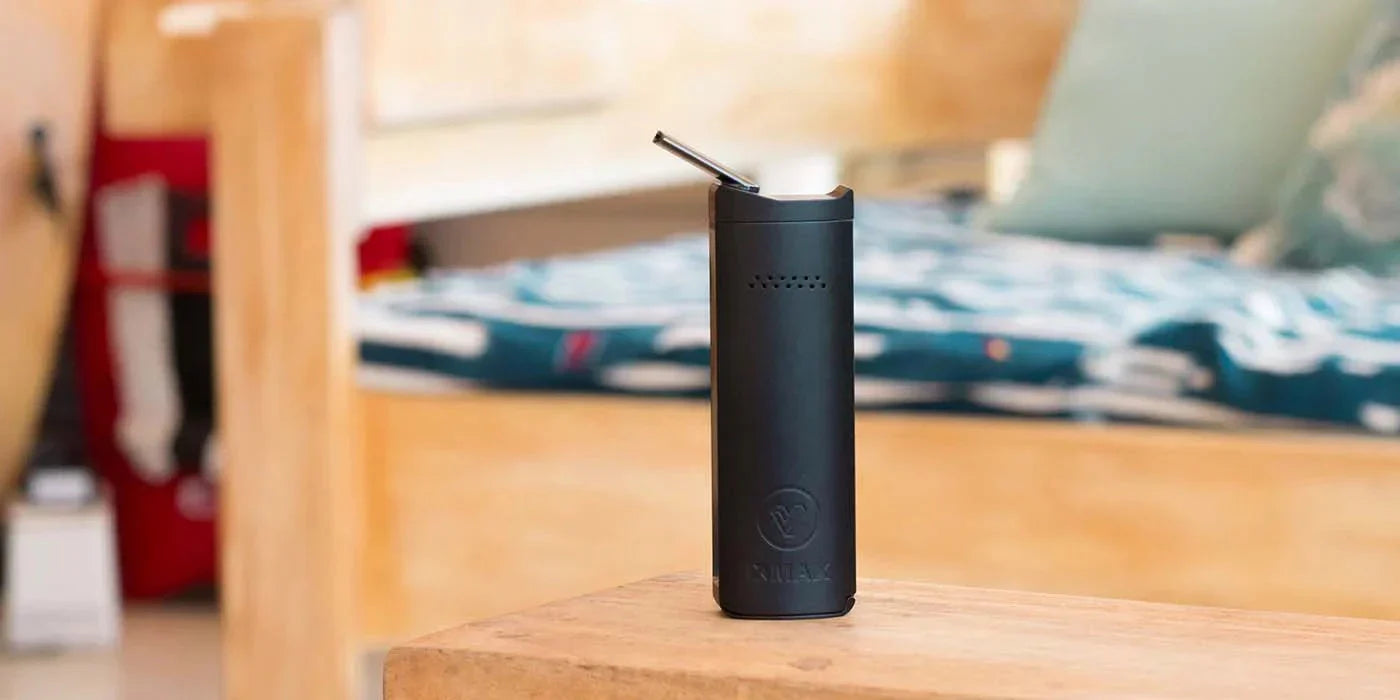
The mouthpiece takes the most physical abuse. Drop the device once, and the ceramic or glass air path may fracture. Even hairline cracks can harbor mold or cause air leaks that ruin draw resistance. Inspect the interior with a flashlight; if you see jagged edges or dark spots that don’t brush away, replace the mouthpiece immediately. Many models use standard sizes, making replacements affordable.
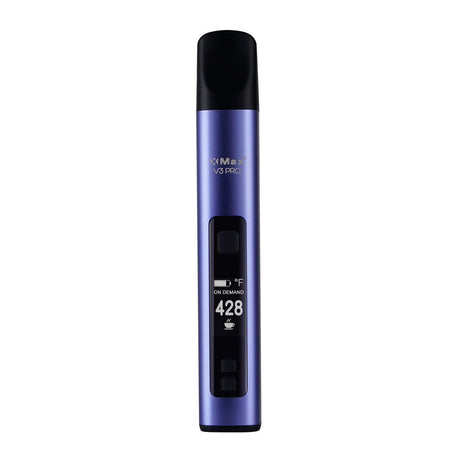
The herb chamber screen filters material while allowing airflow. Over time, fine plant matter and resin clog the mesh, restricting draw and causing the heating element to overwork. Remove the screen gently with tweezers. If it’s bent or the holes are completely sealed with carbonized residue, it needs cleaning or replacement. A blocked screen is the leading cause of poor vapor production in used units.
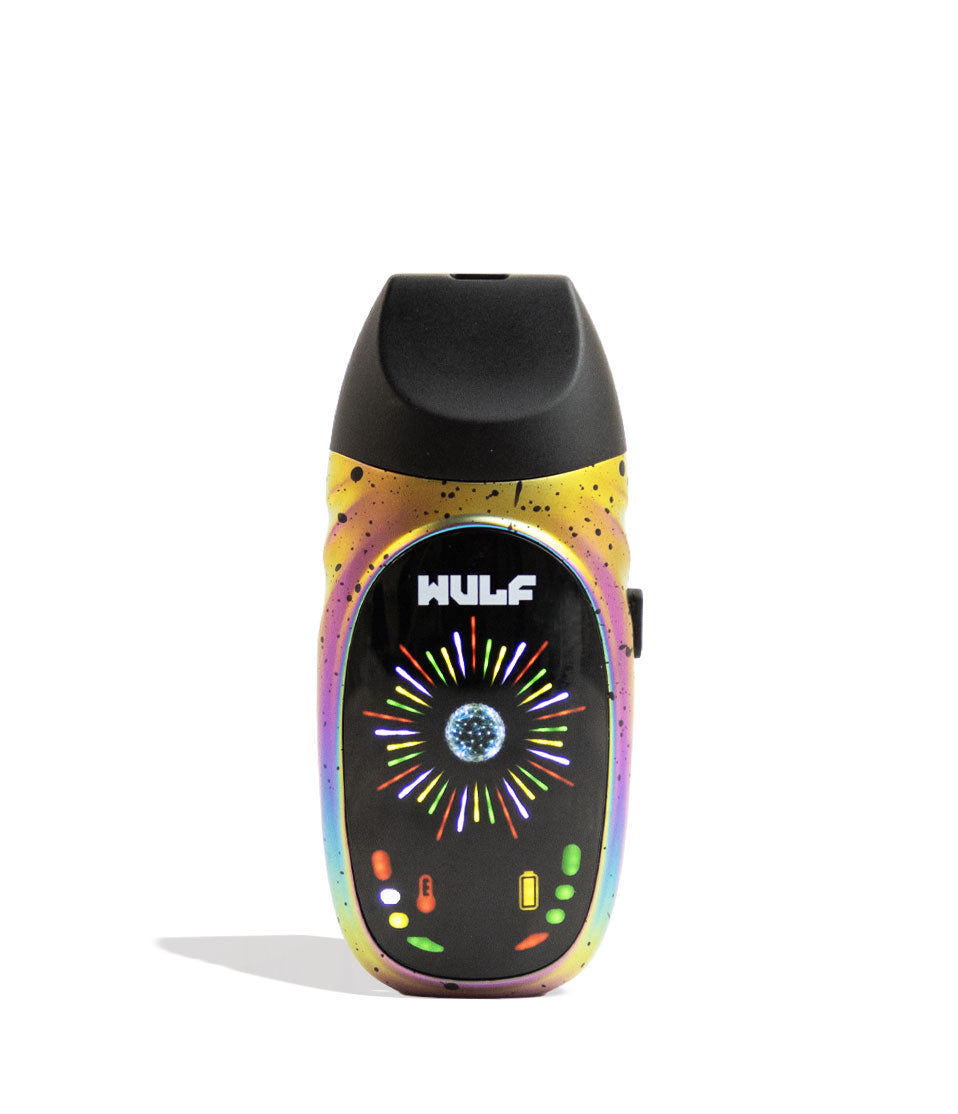
Loose or corroded battery contacts cause intermittent power and poor heating. Remove the battery and check the metal prongs inside the device. Look for green or white crust (corrosion) or black burn marks. Clean contacts with a cotton swab and isopropyl alcohol. If the contacts are pitted or loose, the internal connection may be failing, which is a serious safety hazard requiring professional repair.
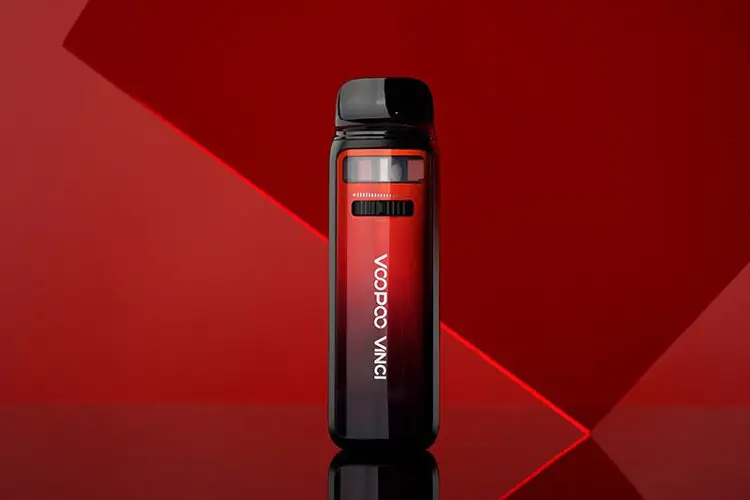
The heating element is the most expensive single component to replace. Visually inspect the oven interior for broken coils or exposed wiring. If the device fails to heat or heats unevenly, the element may be broken. Avoid touching the element with metal tools, as this can bend or break the delicate heating coil. If you suspect element failure, consult the manufacturer’s warranty before attempting any internal repairs.
A loose mouthpiece seal allows heat to escape, reducing vapor density and efficiency. Press the mouthpiece firmly into the oven chamber. It should fit snugly without wobbling. If it feels loose, the O-ring may be worn or missing. Replace the O-ring with a silicone spare of the same size. A good seal ensures that all heated air passes through the herb, maximizing flavor and potency.
Plan for ownership costs
A vaporizer’s sticker price is only the first expense. While a budget model might cost $50, it often requires frequent part replacements, whereas a $300 device may last years with minimal upkeep. Understanding the long-term cost of ownership helps you avoid the "cheap buy" trap where recurring maintenance fees outpace the initial savings.
Replacement parts and consumables
Most portable and desktop vaporizers rely on replaceable components that degrade over time. Mouthpieces can crack or discolor, and oven screens eventually clog with resin, affecting airflow and flavor. For convection models, the fan filter may need cleaning or replacement to prevent dust buildup. Check the manufacturer’s parts catalog before buying; some brands sell proprietary components that are expensive or hard to find, while others use standard, affordable parts.
Battery health and longevity
Battery degradation is the most common hidden cost for portable devices. Lithium-ion batteries lose capacity after 2-3 years of regular charging cycles. If your vaporizer uses a user-replaceable battery, you can swap it out for $10-$20. However, many sleek, modern models have sealed batteries. If the battery dies, you must send the unit for repair or replace the entire device, effectively doubling your long-term cost.
Cleaning and maintenance supplies
Regular cleaning preserves flavor and efficiency. You’ll need isopropyl alcohol (91% or higher), cotton swabs, and perhaps a specialized cleaning solution for glass or ceramic chambers. Neglecting maintenance leads to resin buildup, which insulates the heating element and forces the device to work harder, potentially shortening its lifespan. Factor in the occasional cost of a cleaning kit or replacement oven brushes, which typically run $5-$15.
When cheap stops being cheap
A $40 vaporizer may seem like a bargain, but if it breaks after six months or requires $10 in parts every few months, it’s not cost-effective. Conversely, a premium device like the Venty or Tinymight 2 often comes with higher-quality materials and better warranty support. Calculate the total cost over three years: purchase price plus estimated replacements. If the difference is less than $50, investing in the more durable model usually pays off in reliability and consistent performance.
Vaporizers: what to check next
Choosing the right device often comes down to balancing intensity, health considerations, and brand reliability. Here are the most common practical questions readers ask before making a purchase.
No comments yet. Be the first to share your thoughts!