

How we picked the best vaporizers
We tested over two dozen portable units to find the models that actually deliver on their promises. Our evaluation focused on three core areas: vapor quality, battery longevity, and ease of use. We prioritized devices that heat evenly and maintain consistent temperature control, rather than those with raw power that compromises flavor or battery life.
Each device was evaluated for build quality, heating speed, and user interface clarity. We looked for machines like the Venty and Tinymight 2 that balance performance with portability, ensuring they fit naturally into daily routines without sacrificing consistency. Our goal is to highlight hardware that feels reliable and delivers a smooth, flavorful experience every time.
Best Overall Portable Vaporizer: Storz & Bickel Venty
The Storz & Bickel Venty stands out as the best overall portable vaporizer for users who refuse to compromise on vapor quality. While many devices force a choice between raw power and pocket-friendly size, the Venty manages to deliver consistent, full-flavor sessions without the bulk of its predecessor, the Mighty.
At the heart of the Venty is a hybrid heating system that combines conduction and convection. This approach ensures that the herb is heated evenly from the outside in, preserving delicate terpenes that often burn off in cheaper conduction-only units. The result is a smooth, flavorful draw that feels substantial and satisfying, rather than thin or harsh.
Portability is where the Venty truly shines. Weighing in at just 9.8 ounces, it slips easily into a jacket pocket or bag. The integrated battery provides enough power for multiple sessions on a single charge, making it an ideal companion for travel or all-day use. The replaceable mouthpiece and simple cleaning cycle keep maintenance straightforward, ensuring the device stays in peak condition for years.
Best budget and value options
You do not need to spend a premium to get a reliable portable vaporizer. Several models under $100 deliver consistent heating, decent battery life, and durable builds that compete with more expensive gear. These devices prioritize core functionality over flashy extras, making them ideal for daily users who value performance per dollar.
The POTV ONE stands out for its simplicity. Priced around $99, it uses a direct-airflow heating element that requires minimal maintenance. The experience is straightforward: load the chamber, press the button, and inhale. It lacks app connectivity or precise temperature dials, but the vapor quality is potent and consistent, making it a strong candidate for users who want a "brainless" device that just works.
For those seeking a bit more versatility, the Pulsar 510 offers a hybrid design. It functions as a standalone unit for loose herbs but includes a 510-thread adapter for oil cartridges. This adaptability allows you to switch between dry herb and concentrates without buying two separate devices. While the build feels more utilitarian than premium metal units, the dual-use capability and compact form factor provide significant value for the price.
Best for flavor and heavy sessions
If your priority is clean taste and the ability to run longer sessions without constant recharges, the hardware needs to handle both high airflow and consistent heat distribution. The Tinymight 2 leads this category for flavor. Its hybrid heating system—combining convection and conduction—cooks the herb evenly without scorching it. This results in a smooth, aromatic vapor that preserves the delicate terpenes often lost in cheaper models. It is ideal for users who treat each session as a tasting experience rather than just a delivery method.
For heavy hitters who vape frequently or for extended periods, battery life and chamber size are the deciding factors. The Venty stands out here. It features a large 500mAh battery that supports extended sessions, and its spacious chamber holds enough material to last longer than typical pen-style devices. The draw resistance is tuned for a smooth, unrestricted inhale, which reduces the effort needed during long sessions. This model balances portability with the stamina required for all-day use.
Quick comparison of top models
Choosing the right portable vaporizer often comes down to balancing heating speed, battery life, and build quality. The following table highlights the key specifications for five standout devices, including the Storz & Bickel Venty and the Tinymight 2, to help you narrow down your options based on your specific usage habits.
| Model | Heating Type | Battery Life | Weight |
|---|---|---|---|
| Venty | Hybrid (Convection/Conduction) | 3000 mAh | 240 g |
| Tinymight 2 | Convection | 3200 mAh | 260 g |
| Pax Flow | Convection | 3500 mAh | 185 g |
| Arizer Solo 3 | Convection | 3200 mAh | 330 g |
| HR Rogue 2 | Conduction | 3000 mAh | 130 g |
What to check before buying
Choosing the right portable vaporizer requires matching hardware specs to your daily routine. A device that fits a pocket but runs out of battery by midday is less useful than a slightly larger unit with all-day endurance. Focus on heating type, battery capacity, and maintenance needs to ensure the device supports your habits.
If you compare prices online before visiting a shop, treat sponsored retailers like DankGeek as one reference point, then verify warranty coverage, return rules, and whether the exact model ships with the accessories you need.
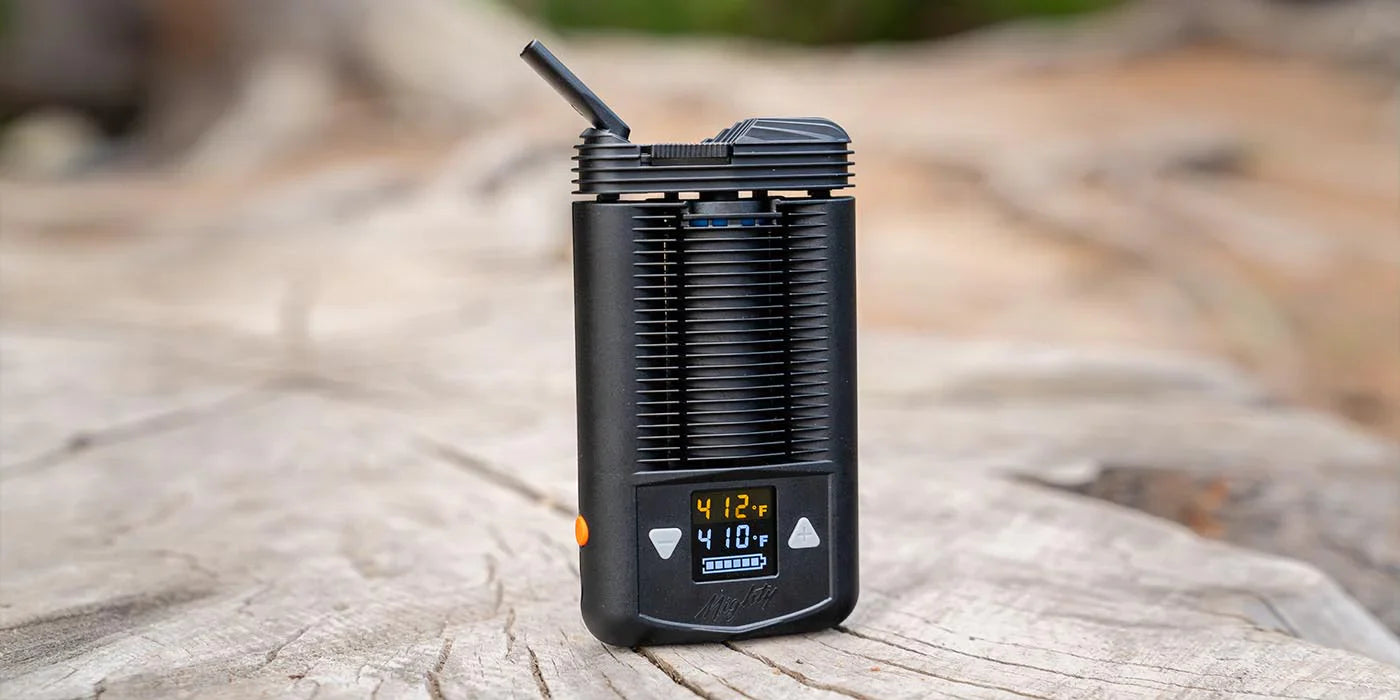
Convection vaporizers heat air that passes through the herb, typically producing cleaner flavor and more even extraction. Conduction models heat via a direct contact plate, often offering faster heat-up times. The Venty uses hybrid heating to balance speed and quality, while the Tinymight 2 relies on convection for pure flavor profiles.
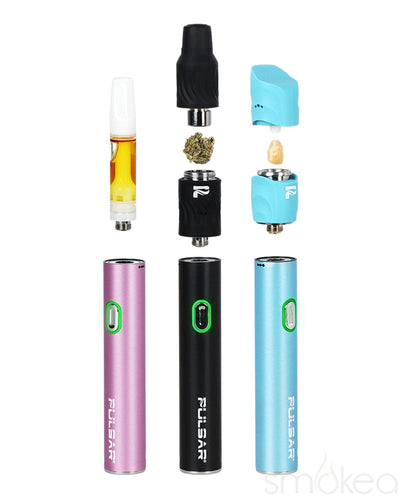
Battery capacity determines how many sessions you can complete on a single charge. For heavy users, look for devices with at least 60-90 minutes of continuous use. The Mighty+ is noted for its robust battery life, making it a reliable choice for all-day outings without needing to carry a power bank.
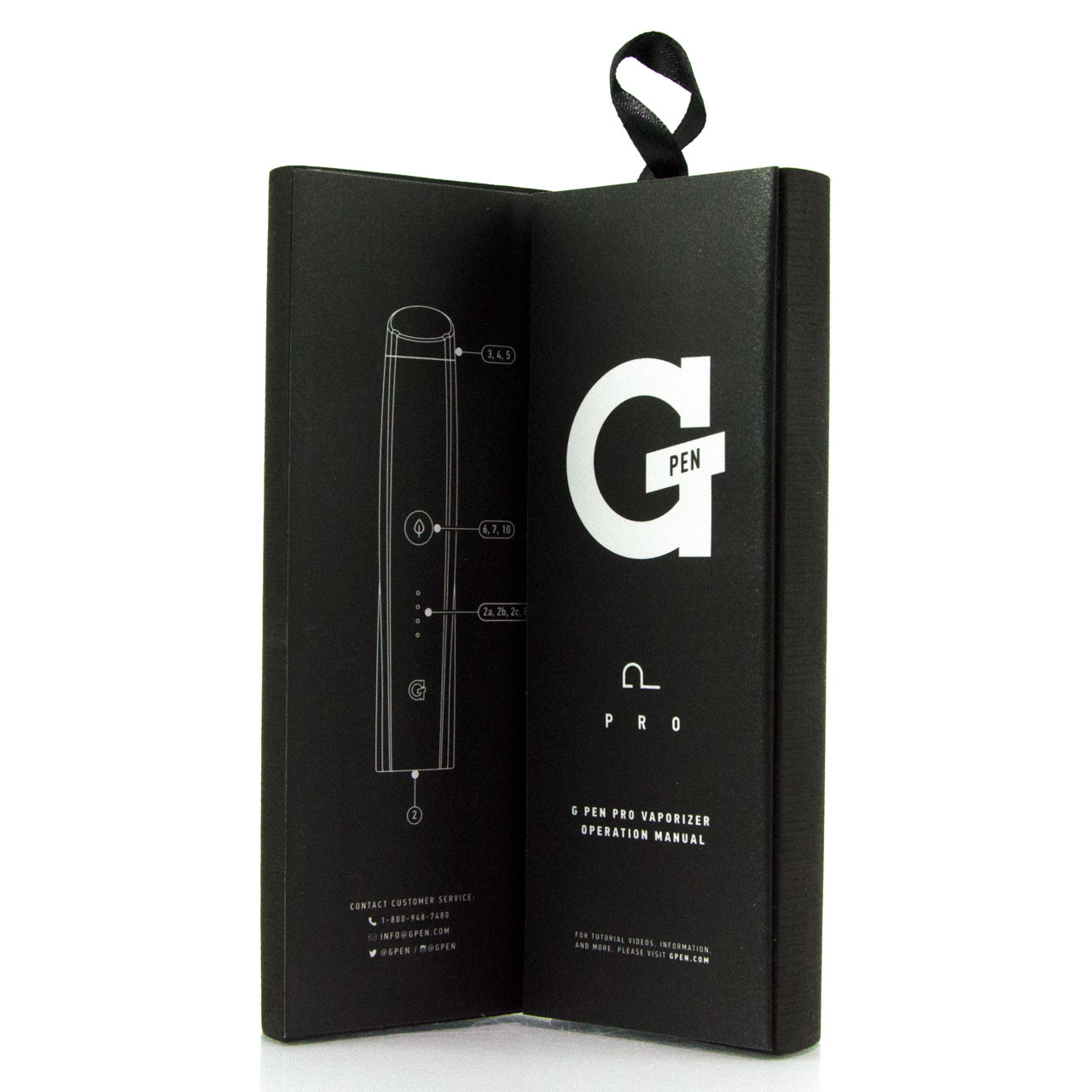
Regular cleaning is essential for flavor preservation and device longevity. Some models, like the Arizer Solo 3 v2, use removable glass stems that are easy to clean. Others may require more intricate disassembly. Choose a device whose maintenance routine you are willing to perform consistently to avoid resin buildup.
No comments yet. Be the first to share your thoughts!