
Quick picks for 2026
Choosing the best vaporizer depends on whether you prioritize portability, flavor fidelity, or raw power. We tested dozens of units to identify models that deliver consistent vapor quality without gimmicks. The right choice balances build durability with the specific way you plan to use it.
Best overall portable: Arizer Solo 3 v2.0
The Arizer Solo 3 v2.0 remains the top choice for heavy users who want maximum performance in a portable form factor. It delivers top-tier vapor quality through its external balloon-and-stem system, which keeps the heating element clean and preserves flavor. While the unit is larger than many pocket-sized alternatives, its robust build ensures it can handle daily use without compromising on session length or intensity.
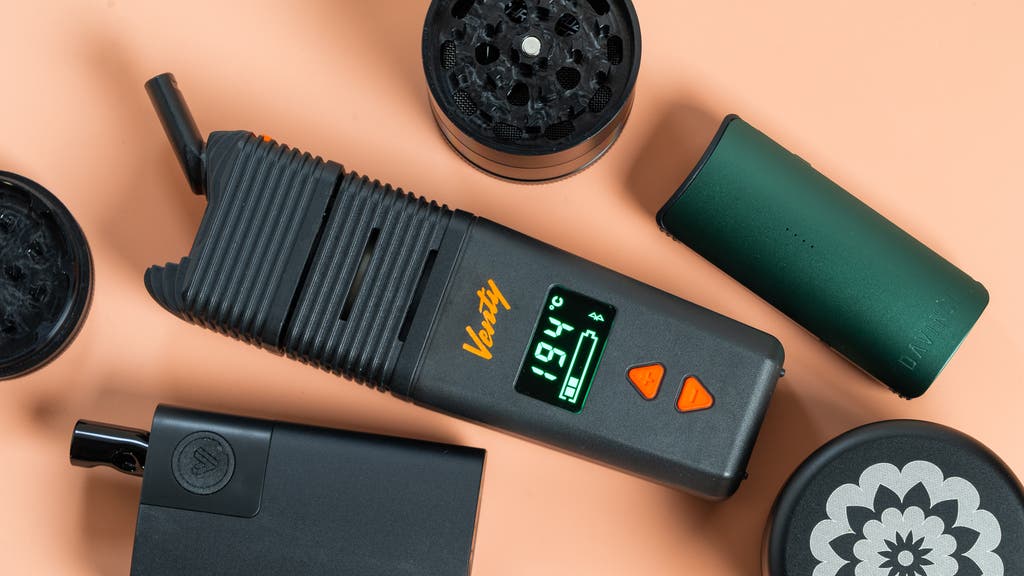
Best for flavor: Storz & Bickel Venty
If flavor fidelity is your primary concern, the Storz & Bickel Venty offers a refined experience with its hybrid heating technology. It combines convection and conduction to heat material evenly, resulting in smooth, aromatic vapor that highlights the nuances of the herb. The Venty is also a dual-use device, functioning as both a portable unit and a desktop vaporizer when connected to its power adapter, making it a versatile investment for serious enthusiasts.
Best budget option: Zeus Arc GT4
The Zeus Arc GT4 provides luxury features at a more accessible price point, making it the best budget-friendly portable vaporizer. It supports both dry herb and concentrate use, offering flexibility for users who want to experiment with different materials. The device’s compact design and quick heat-up time make it ideal for on-the-go use, while its battery life holds up well during extended sessions. It’s a solid entry point for those new to vaporizing without sacrificing core performance.
How we tested vaporizers
Use this section to make the Best Vaporizers decision easier to compare in real life, not just on paper. Start with the reader's actual constraint, then separate must-have requirements from details that are merely nice to have. A practical choice should survive normal use, maintenance, timing, and budget. If a recommendation only works in an ideal situation, call that out plainly and give the reader a fallback path.
The simplest way to use this section is to write down the must-have criteria first, then compare each option against those criteria before weighing nice-to-have features.
Portable vaporizer comparison
Choosing the right portable vaporizer comes down to balancing heat-up speed, battery longevity, and vapor quality. The market has shifted toward devices that offer both convection heating and app connectivity, but performance varies significantly between models. The table below compares the key specifications for five of the top-rated portable dry herb vaporizers available in 2026.
| Model | Heat-Up Time | Battery Life | Heating Type | Price Range |
|---|---|---|---|---|
| Arizer Solo 3 | ~20s | 120 mins | Hybrid | $349 |
| Storz & Bickel Venty | ~10s | 100 mins | Convection | $329 |
| Volcano Hybrid (Portable) | ~15s | 90 mins | Convection | $399 |
| Pax 3 | ~15s | 60 mins | Convection | $219 |
| XMAX Vape ST | ~20s | 100 mins | Conduction | $139 |
The Arizer Solo 3 stands out for users who prioritize flavor and session length. Its hybrid heating system delivers dense vapor clouds, though the device is bulkier than competitors like the Pax 3. The Storz & Bickel Venty offers the fastest heat-up time and precise temperature control via its app, making it ideal for users who value consistency and portability.
For those on a tighter budget, the XMAX Vape ST provides reliable conduction heating at a fraction of the cost, though it lacks the advanced features of premium models. The Pax 3 remains a popular choice for its sleek design and ease of use, but its shorter battery life may require frequent charging during extended sessions.
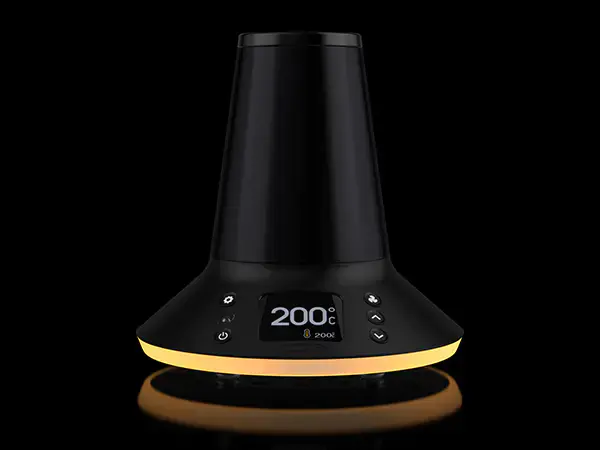
Desktop vaporizer options
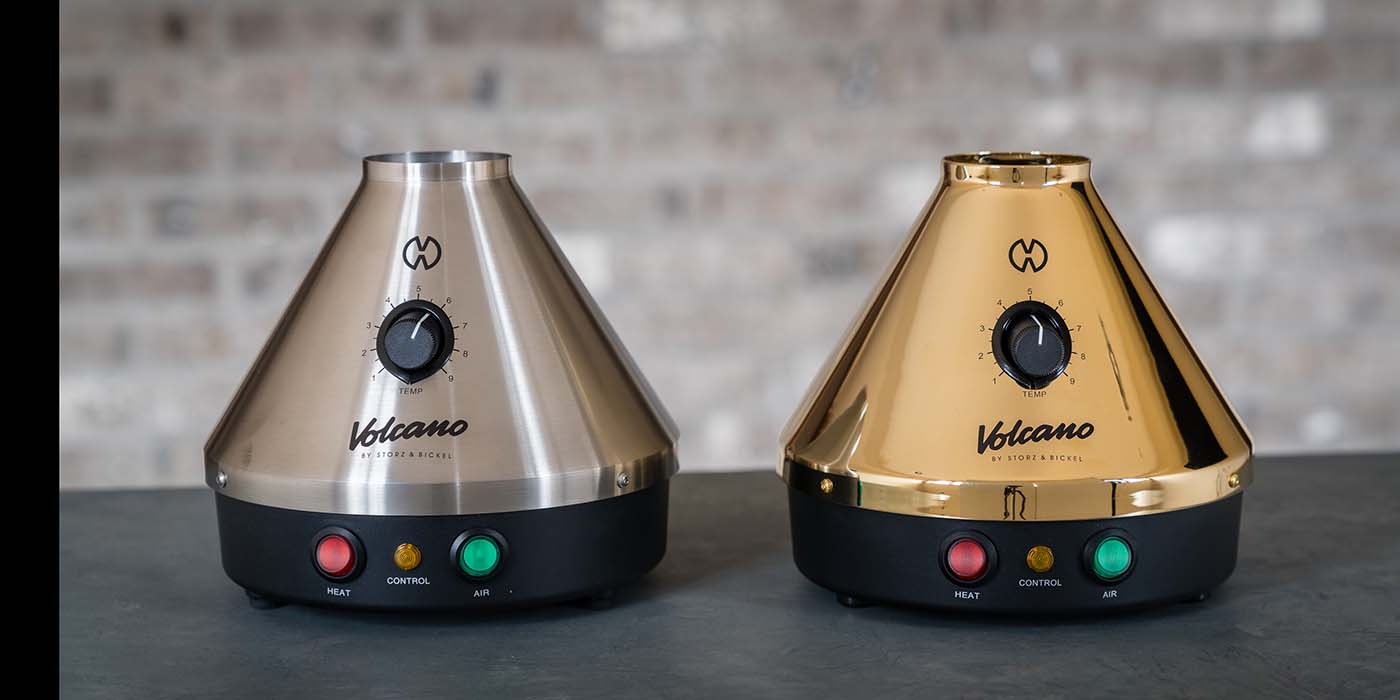
Desktop vaporizers, often called stationary units, are built for home use and shared sessions. Unlike portable devices, they prioritize consistency and capacity over portability. These systems typically use a balloon-filling approach, allowing multiple users to take turns without waiting for the device to reheat. This makes them ideal for social gatherings or households where vapor quality is the main priority.
When comparing desktop models, capacity and heating method are the primary differentiators. Larger chambers accommodate more material per session, reducing the need for frequent refills. Convection heating is generally preferred for even extraction, while conduction models may offer faster heat-up times but can risk uneven burning if not managed carefully. The trade-off is size: these units require a dedicated space and a power outlet.
For those seeking reliability, the Arizer V-Tower is a notable option. It is widely regarded as a dependable desktop vaporizer that delivers consistent vapor quality without the premium price tag of some high-end competitors. Its straightforward design focuses on performance, making it a solid choice for users who want a no-frills, effective experience.
| Feature | Desktop (Stationary) | Portable |
|---|---|---|
| Capacity | High (multiple sessions) | Low (single session) |
| Heating | Convection/Conduction | Convection/Conduction |
| Portability | None (plug-in) | High (battery-powered) |
| Vapor Quality | Consistent, large clouds | Variable, on-the-go |
| Best For | Home, shared sessions | Travel, privacy |
Choosing the right form factor
Deciding between a portable and a desktop vaporizer comes down to how often you plan to use the device and where you intend to use it. While both categories deliver high-quality vapor, their physical designs cater to distinctly different lifestyles. Portability prioritizes discretion and speed, whereas desktop units focus on raw power and session length.
Portability for on-the-go use
Portable vaporizers are designed for users who value convenience and discretion. These devices are compact, battery-powered, and ready to use within minutes. They are ideal for social settings, travel, or anyone who needs to vape quickly without drawing attention. Modern portable vaporizers have improved significantly, offering convection heating that rivals older desktop models in flavor consistency. However, their smaller chambers mean you may need to reload herb more frequently during longer sessions.
Desktop power for home use
Desktop vaporizers are stationary units that plug into a wall outlet, providing consistent, uninterrupted power. They are built for users who prioritize maximum vapor production, temperature precision, and long session times. Because they are not limited by battery life or size, desktop models often feature larger chambers, fan-assisted convection, and balloon or inline-bag systems. This makes them perfect for dedicated home use where portability is not a concern. The trade-off is the lack of mobility and the need for a dedicated power source.
Comparing key differences
The following table highlights the main differences to help you decide which form factor fits your needs.
| Feature | Portable | Desktop |
|---|---|---|
| Portability | High | Low |
| Power Source | Battery | AC Outlet |
| Session Length | Short to Medium | Long |
| Vapor Production | Moderate | High |
| Heat-Up Time | Fast (30-60s) | Slower (2-5 min) |
Making the final decision
If you need a device that fits in your pocket and heats up in under a minute, a portable vaporizer is the clear choice. It offers flexibility and ease of use for daily, on-the-go consumption. If you prefer a dedicated setup for home use, with larger vapor clouds and precise temperature control, a desktop model will serve you better. Consider your primary use case: mobility and speed versus power and longevity.
Final buying checklist
Before committing to a new best vaporizer, verify the long-term support structure. A device is only as good as its ability to last, and portable units face more physical stress than desktop models. Use this checklist to ensure your purchase is protected and maintainable.
Look for at least a one-year manufacturer warranty. Premium brands like Storz & Bickel or Arizer often provide two years, signaling confidence in their build quality. This coverage protects against manufacturing defects in the heating chamber or battery.
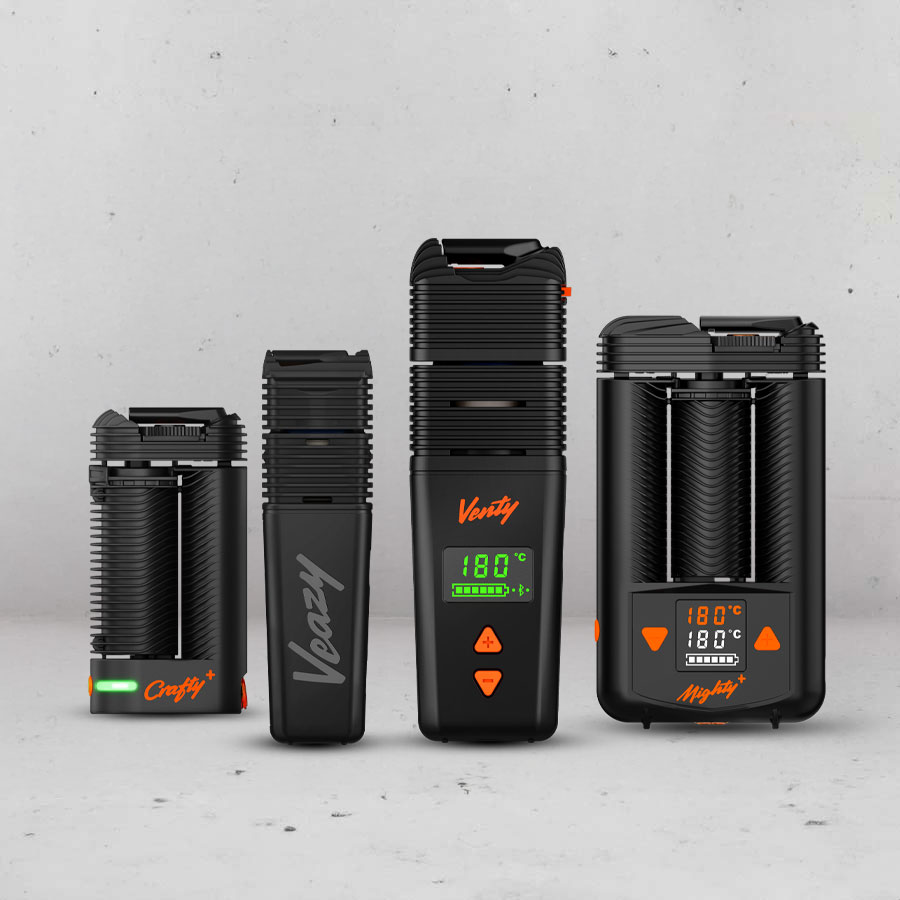
Mouthpieces, screens, and o-rings wear out fastest. Ensure the brand sells these individually. If you must buy a whole new mouthpiece assembly for a $10 part, the long-term cost of ownership will be high.
For portable vaporizers, battery degradation is inevitable. Check if the company offers battery replacements or has a trade-in program. A device with a sealed, non-replaceable battery may become e-waste within two years.
Common vaporizer: what to check next
Maintaining your device ensures consistent flavor and longevity. Clean the mouthpiece and chamber after every few sessions to prevent resin buildup, which can restrict airflow and alter taste. For deeper maintenance, use isopropyl alcohol and a soft brush to remove stubborn residue from internal heating elements. Regular cleaning preserves the integrity of your Best Vaporizers performance over time.
Battery care is critical for portable units. Lithium-ion batteries degrade faster when exposed to extreme temperatures or left at 0% charge for long periods. Store devices in a cool, dry place and avoid fully draining the battery before recharging. This practice extends cycle life and ensures reliable performance during travel or daily use.
Can portable vaporizers handle concentrates?
Most portable vaporizers are designed specifically for dry herbs. Using concentrates in these units can damage the heating chamber or wick system, leading to permanent failure. However, some hybrid models support both dry herbs and concentrates. Always check the manufacturer’s specifications before purchasing to ensure compatibility with your preferred material.
How often should I replace my battery?
Battery lifespan varies by usage frequency and charging habits. Typically, a well-maintained battery lasts 1-2 years before holding significantly less charge. If you notice rapid drainage or failure to hold a charge, it may be time for a replacement. Some devices offer user-replaceable batteries, while others require professional service.
Is it safe to clean with water?
Never submerge your vaporizer in water or use excessive moisture during cleaning. Water can damage electronic components and void warranties. Instead, use dry cleaning methods or specialized cleaning solutions designed for vaporizer parts. Always ensure all components are completely dry before reassembling and using the device.
No comments yet. Be the first to share your thoughts!