

Vaporizers budget
Price is the first filter when shopping for a vaporizer. The market spans from $30 entry-level disposables to $500+ professional desktop units. Your budget dictates the heating technology, build quality, and long-term reliability. A cheap device might work for a weekend trip, but it will likely fail after a few months of regular use.
Under $100: Entry-Level Portables
Budget portables often use conduction heating. You place the herb directly on a heated metal surface. This method is fast but can lead to uneven burning if you don’t stir the material. Brands like Utillian and PAX offer reliable models in this range. The PAX Go SE is a solid choice for beginners. It’s durable, easy to clean, and delivers consistent vapor. However, expect shorter battery life and less precise temperature control compared to higher-end models.
$100 - $250: The Sweet Spot
This is where you find the best balance of performance and price. Devices here often switch to hybrid or pure convection heating. Convection uses hot air to pass through the herb, preserving flavor and reducing the risk of combustion. The Arizer Solo 2 is a popular option in this bracket. It offers excellent vapor quality and replaceable parts, which extends the device's lifespan. You also get better battery efficiency and more precise temperature settings. If you plan to use your vaporizer daily, investing in this tier saves money long-term by avoiding frequent replacements.
$250+: Premium and Desktop Units
High-end portables and desktop vaporizers prioritize precision and durability. These devices often feature advanced convection systems, glass pathways, and premium materials like ceramic or sapphire heating chambers. The Storz & Bickel Mighty+ is a top contender. It’s built like a tank and offers consistent, high-quality vapor. Desktop units like the Volcano offer the ultimate experience but require a dedicated space and power source. For most users, a high-end portable provides 90% of the performance at a fraction of the cost and bulk.
Condition Matters: New vs. Refurbished
Buying used or refurbished can stretch your budget significantly. Many manufacturers offer certified refurbished units with warranties. These devices are inspected, cleaned, and repaired to meet original standards. You can often get a $300 device for $200. However, avoid buying used devices from unknown sellers. Batteries degrade over time, and worn seals can lead to leaks or poor vapor production. Always check the return policy and warranty terms before purchasing a pre-owned unit.
Shortlist real options
Finding the right portable vaporizer requires matching your usage style to the device’s heating method and build quality. The current market favors convection heating for better flavor and efficiency, though hybrid models offer faster heat-up times for those who value speed. We have selected five models that consistently rank at the top for vapor quality, durability, and user experience in 2026.
The Storz & Bickel Venty leads the category for overall performance. Its precise temperature control and rapid heat-up time make it a favorite for both casual users and heavy hitters. The device feels substantial in hand, and the replaceable mouthpiece ensures long-term hygiene without needing to replace the entire unit.
For flavor purists, the Magic Flight Launch Box 2 remains a standout. It uses pure convection with no screens or filters, meaning every puff tastes exactly like the herb. While it requires a bit more manual airflow control, the clean vapor profile is unmatched in the portable segment.
The Pax 3 continues to be the most reliable everyday carry option. Its sleek design and simple app integration make it accessible for beginners, while the convection heating system delivers consistent clouds. It is less powerful than the Venty but offers a more discreet and user-friendly experience.
Quick Comparison
The table below highlights the core differences between these top contenders. Focus on heating type and weight when deciding which best fits your carry habits.
| Model | Heating Type | Weight | Best For |
|---|---|---|---|
| Storz & Bickel Venty | Convection | 260g | Overall Performance |
| Magic Flight Launch Box 2 | Convection | 130g | Pure Flavor |
| Pax 3 | Hybrid | 205g | Ease of Use |
| Utillian 723 | Convection | 280g | Budget Value |
| Dynavap M | Conduction | 22g | Portability |
Inspect the expensive parts
Vaporizers are precision instruments. A cracked mouthpiece or a failing battery isn't just an annoyance; it's a bill for $50–$150 that you can avoid with a quick visual check. Before you commit to a high-end portable or desktop unit, treat the hardware like a car you're test-driving. Look for the specific failure points that drain your wallet over time.
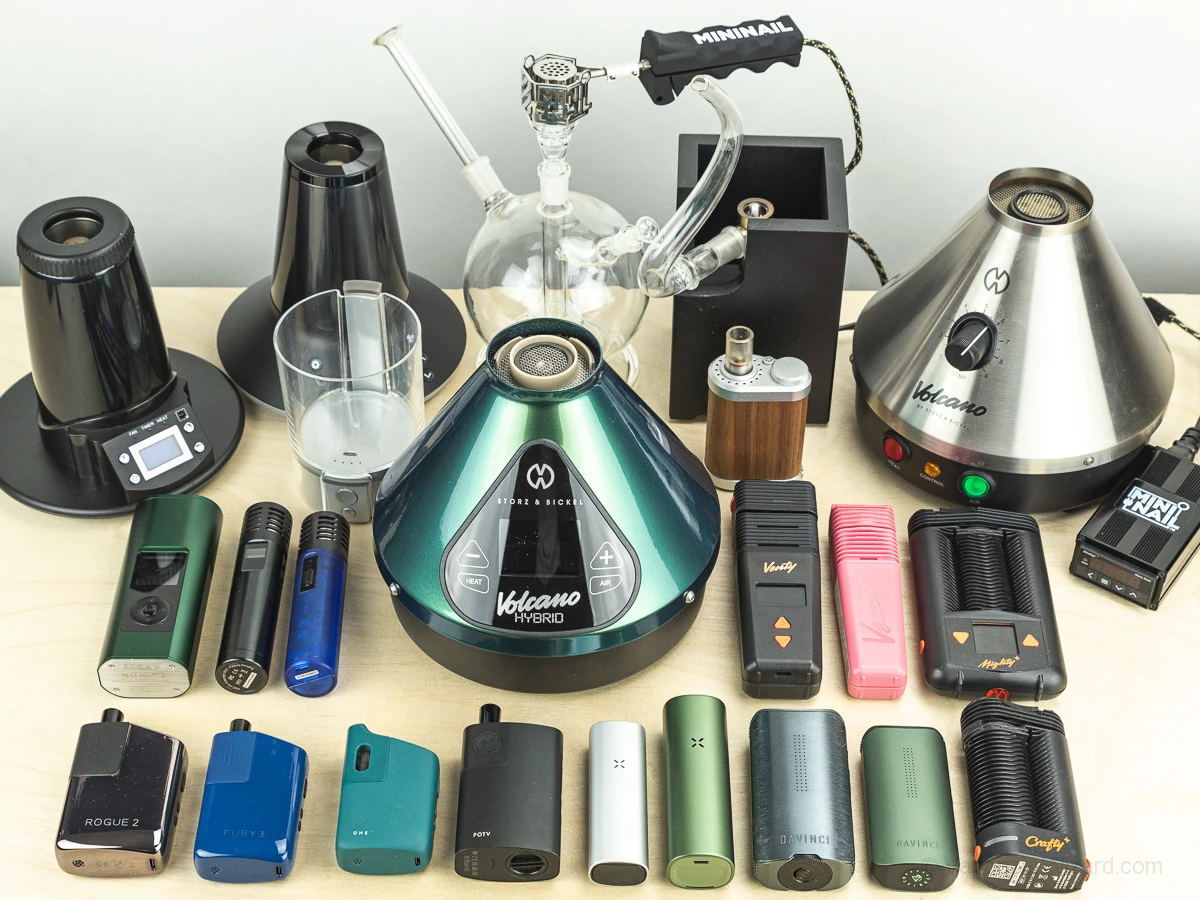
The mouthpiece is the first point of contact and the most common place for heat damage. Look for discoloration, warping, or cracks around the rim. A compromised seal lets heat escape, forcing the device to work harder and shortening battery life. If the plastic feels brittle or the threads are stripped, the unit may be refurbished or poorly maintained.
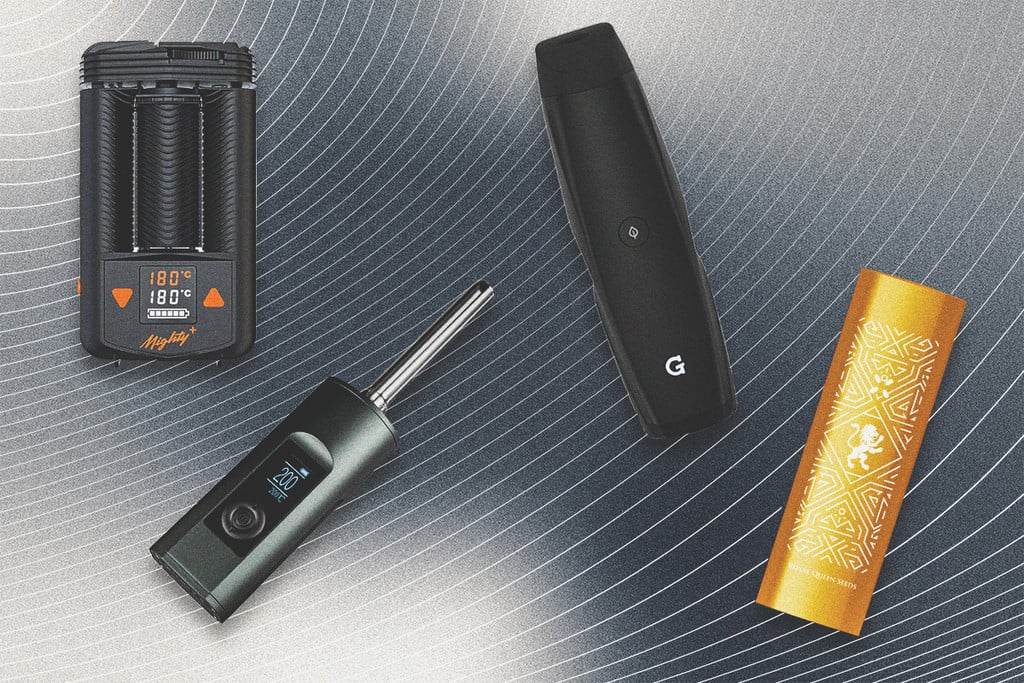
For dry herb models, the chamber must be free of heavy resin buildup that no cleaning solution can remove. Resin acts as an insulator, leading to uneven heating and burnt flavors. Check the grinding teeth or mesh screen for bends or breaks. In hybrid models, the oven walls should be smooth and unscratched, as deep scratches can trap residue and harbor bacteria.
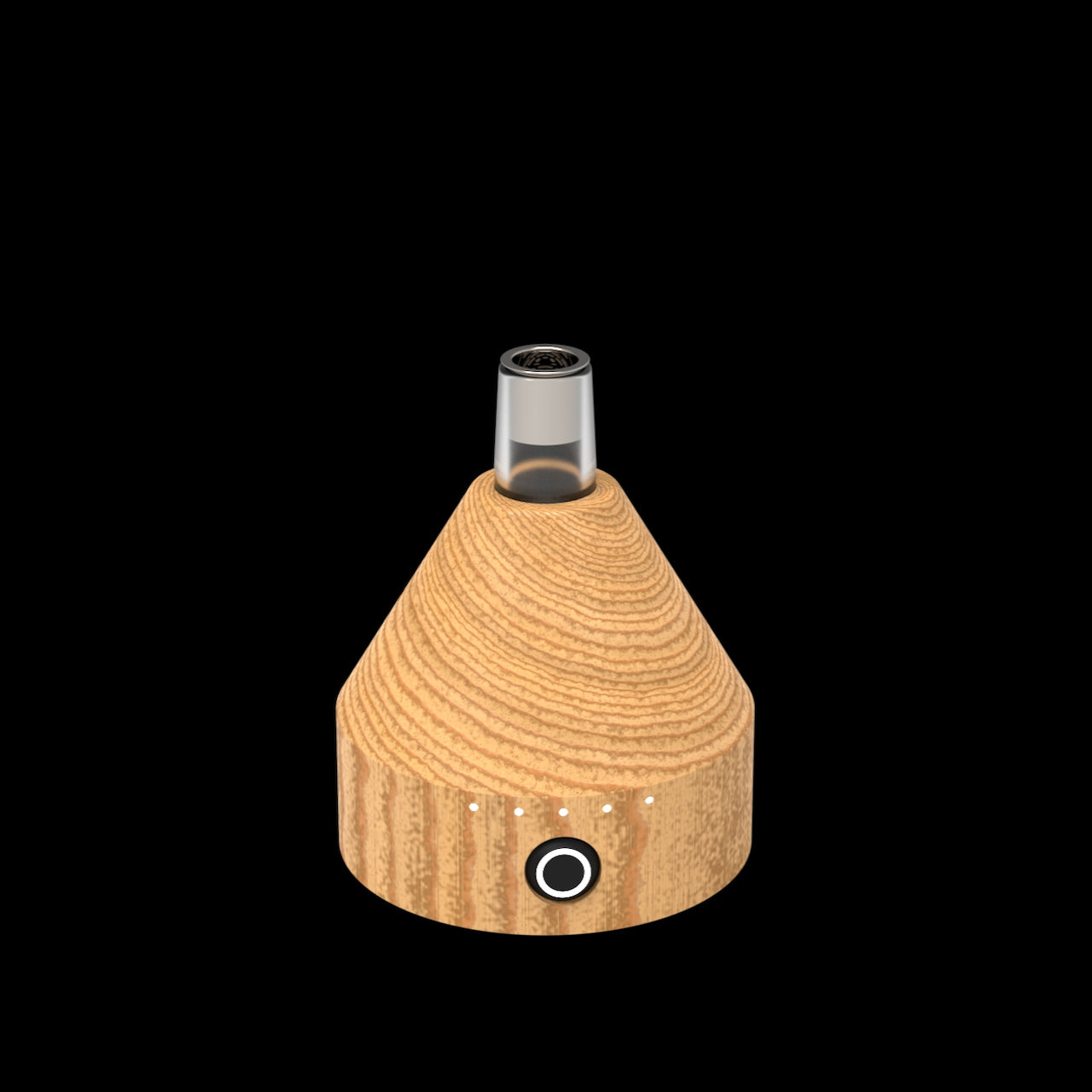
A healthy battery holds a charge for at least 30 minutes of continuous use. If the device shuts down prematurely or takes longer than two hours to charge, the cells may be degraded. For desktop units, check the power brick for heat distortion or frayed cables. A weak battery is a silent killer of vapor quality, leading to inconsistent clouds and harsh hits.
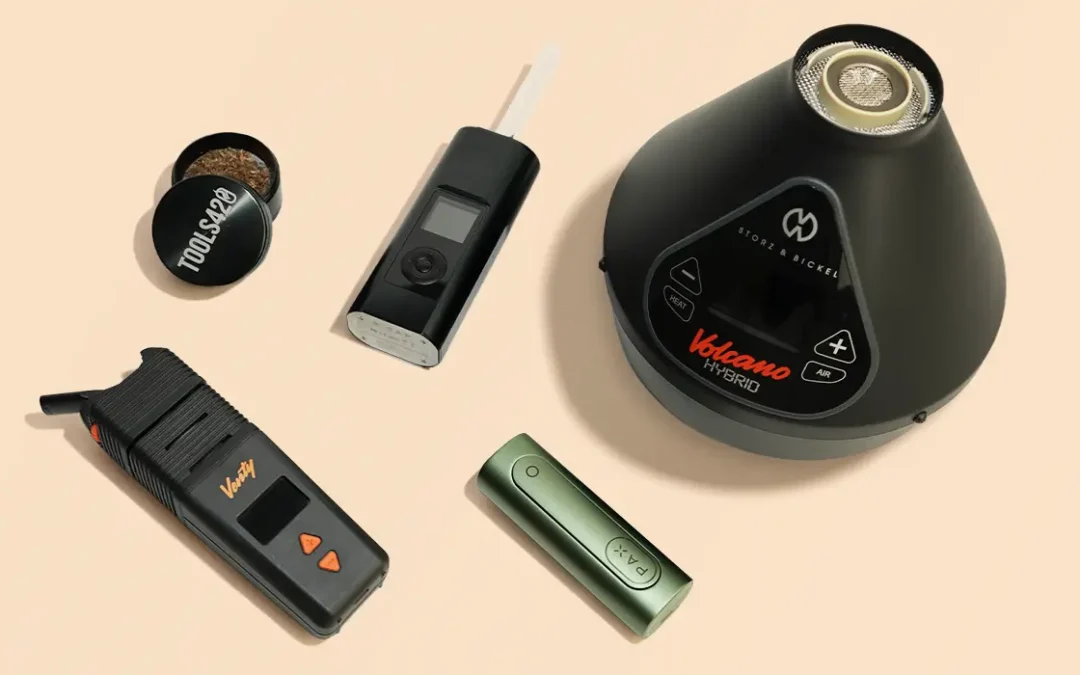
Airflow should be smooth and unrestricted. Block the mouthpiece briefly and feel for resistance. If the air feels "choked," the internal ducts may be clogged with debris or the fan (in convection models) may be failing. Check the air intake vents at the base of the device for dust accumulation, which can strain the motor and reduce efficiency over time.
Checking these components takes less than five minutes but saves you from buying a lemon. If you find any of these issues, negotiate a lower price or walk away. Your lungs and your wallet will thank you.
Plan for ownership costs
A vaporizer’s sticker price is just the entry fee. The real cost comes from parts that wear out, degrade, or break with regular use. If you buy a cheap device to save money upfront, you often end up paying more in replacements and repairs within a year.
Replaceable parts that add up
Most vaporizers have consumable components. O-rings and seals dry out, causing heat loss and harsh draws. Mouthpieces crack from thermal stress or accidental drops. Heating chambers collect resin that becomes difficult to clean without damaging the unit. If you inhale deeply or frequently, these parts fail faster.
Maintenance surprises
Deep cleaning is not optional for long-term health and performance. Resin buildup restricts airflow and forces the heating element to work harder, shortening its lifespan. Some devices require special cleaning tools or solvents. Others have non-removable chambers that trap residue. Factor in the time and cost of these maintenance routines.
When a cheap buy stops being cheap
Budget vaporizers often use lower-quality plastics and thin metals. These materials degrade faster under heat. You may replace the entire unit every 12–18 months. Mid-range and premium models use medical-grade stainless steel or ceramic chambers that last years. The initial investment pays off in durability and consistent vapor quality.
Bottom line
Calculate the total cost of ownership over three years. Include replacement parts, cleaning supplies, and potential early replacement. A $150 device with $20 annual maintenance beats a $50 device that needs replacing every year.
Vaporizers: what to check next
Before committing to a new device, it helps to clear up the common misconceptions that slow down the buying process. The market is crowded with models claiming to be the "best," but the right choice depends entirely on your specific priorities regarding health, potency, and budget.
Choosing the right device ultimately comes down to balancing these factors. If lung health is your primary concern, stick to reputable dry herb brands. If potency is the goal, prioritize convection models with high temperature ranges. For most users, starting with a trusted brand like PAX or Storz & Bickel ensures a reliable experience without the guesswork.
No comments yet. Be the first to share your thoughts!