

The Shifting Vaporizer Market
The vaporizer market at the close of 2024 and the beginning of 2025 feels…different. It's not just about incremental improvements to existing tech anymore. We’re seeing a real shake-up, driven by a combination of regulatory pressure and changing consumer expectations. For years, the market was dominated by a handful of established players, but that's rapidly changing.
The FDA's increased scrutiny of electronic nicotine delivery systems – or ENDS, as they’re officially known – is a major factor. As outlined on the FDA's website (fda.gov), authorization processes are becoming more rigorous, creating barriers to entry for some, while simultaneously forcing existing companies to adapt. This regulatory landscape isn’t necessarily slowing innovation, but it is directing it.
Adding to this disruption is a growing trend towards domestic manufacturing. A Reuters article from late 2024 detailed how the "Made in America’ movement, fueled by Trump-era tariffs, is influencing vaporizer companies (reuters.com). It"s not just about avoiding tariffs, though. Brands are realizing that controlling their supply chains and appealing to a more nationalistic consumer base can be a real advantage.
Consumers are also becoming more discerning. They want more than just a device that vaporizes effectively. They’re looking for brands that align with their values – whether that’s sustainability, ethical sourcing, or a commitment to quality. Functionality is still important, of course, but it’s no longer the only thing that matters. This shift is opening the door for new players who can cater to these evolving preferences.
American-Made Momentum
The Reuters report highlighted a fascinating dynamic: the increasing appeal of manufacturing vaporizers within the United States. It's a direct response to the tariffs imposed in recent years, but it’s become something more than just a cost-avoidance strategy. Companies are discovering benefits beyond the financial.
Perceived quality is a big one. 'Made in America' often carries a connotation of superior craftsmanship, even if that’s not always the case. Supply chain resilience is another advantage. By keeping production closer to home, companies can reduce their dependence on overseas suppliers and mitigate disruptions. And let's not underestimate the marketing power of a "Made in America" label.
I’m still a bit skeptical about whether this is a genuine shift or simply a clever marketing tactic. Some brands are undoubtedly leveraging the "Made in America" label to appeal to patriotic consumers without making substantial changes to their manufacturing processes. However, there are companies genuinely investing in domestic production.
For example, several smaller brands are actively showcasing their US-based assembly and sourcing of components. They’re highlighting their commitment to American jobs and quality control. This is a smart move, especially in a market where consumers are increasingly aware of where their products come from.
Five Brands to Watch in 2026
The influx of new vaporizer brands is impressive, but a few are genuinely standing out. These aren't just me-too products; they’re companies pushing boundaries and offering something different. Here are five brands I believe are poised for significant growth in 2026.
Nova Labs: Nova Labs is focusing on modularity. Their flagship device, the 'Adapt,' allows users to swap out key components – the heating chamber, the battery, even the airflow system – to customize their vaping experience. This is a significant departure from the traditional, closed-system approach of many established brands. Pricing for the Adapt starts around $180, with individual components ranging from $30 to $60. They’ve built a strong online community around customization and repairability.
Veridia Vapor: Veridia Vapor is betting big on sustainability. They use recycled materials in their devices and packaging, and they’ve partnered with a battery recycling program to minimize environmental impact. Their 'Eco' vaporizer, priced at $150, is made from bio-plastics and features a replaceable battery. The vapor quality isn’t quite as refined as some of the more expensive options, but their commitment to sustainability is a major draw for environmentally conscious consumers.
Aether Dynamics: Aether Dynamics is tackling vapor quality with a unique heating technology. They’ve developed a 'resonant induction' system that heats the material more evenly and efficiently than traditional conduction or convection methods. Their 'Aurora' vaporizer, retailing for $220, delivers incredibly smooth and flavorful vapor. It’s a bit more expensive, but enthusiasts swear by the difference in taste.
Zenith Tech: Zenith Tech is targeting the premium market with a focus on design and materials. Their 'Apex' vaporizer is crafted from aerospace-grade titanium and features a sapphire mouthpiece. It’s a beautifully designed device that feels incredibly solid and well-built. The Apex isn’t cheap – it’s priced at $350 – but it’s aimed at consumers who appreciate luxury and craftsmanship. They emphasize the longevity and durability of the device.
Flow State Vapor: Flow State Vapor is taking a different approach, focusing on simplicity and ease of use. Their 'Breeze' vaporizer is incredibly compact and intuitive, making it ideal for beginners. It’s also one of the most affordable options on the market, priced at just $80. While it doesn’t have all the bells and whistles of some of the more advanced devices, it delivers a consistent and reliable vaping experience.
Featured Products

Ceramic heating system for efficient herb diffusion · Adjustable temperature control with digital LED display · Elegant wood design
This advanced aromatherapy diffuser offers precise temperature control for a customized herbal experience, representing a sophisticated new entrant in the market.

Smokeless air inhaler designed to aid in quitting vaping and smoking · Nicotine and vape-free diffuser pen · Available in Lemon Lime Menthol flavor
The Cigtrus Smokeless Air Inhaler provides a nicotine-free alternative for those looking to quit vaping, showcasing innovative cessation tools from emerging brands.

Portable humidifier with cloud-shaped essential oil diffuser · 230ml capacity with remote control operation · Features a night light and waterless auto shut-off
This compact and stylish humidifier doubles as an essential oil diffuser, offering convenience and ambiance for personal spaces from a newer brand.

3.5L cool mist humidifier with ultrasonic vaporization · Top-fill design for easy refilling and cleaning · Includes a 7-color night light and auto shut-off function
The MegaWise humidifier offers a large capacity and user-friendly design, making it a reliable and affordable option for nurseries and bedrooms, highlighting value from a growing brand.
As an Amazon Associate I earn from qualifying purchases. Prices may vary.
Established Players Respond
The established giants – Pax, Storz & Bickel, DaVinci – aren’t sitting still. They’re well aware of the challenges posed by these new competitors and are responding in various ways. The reactions are…mixed.
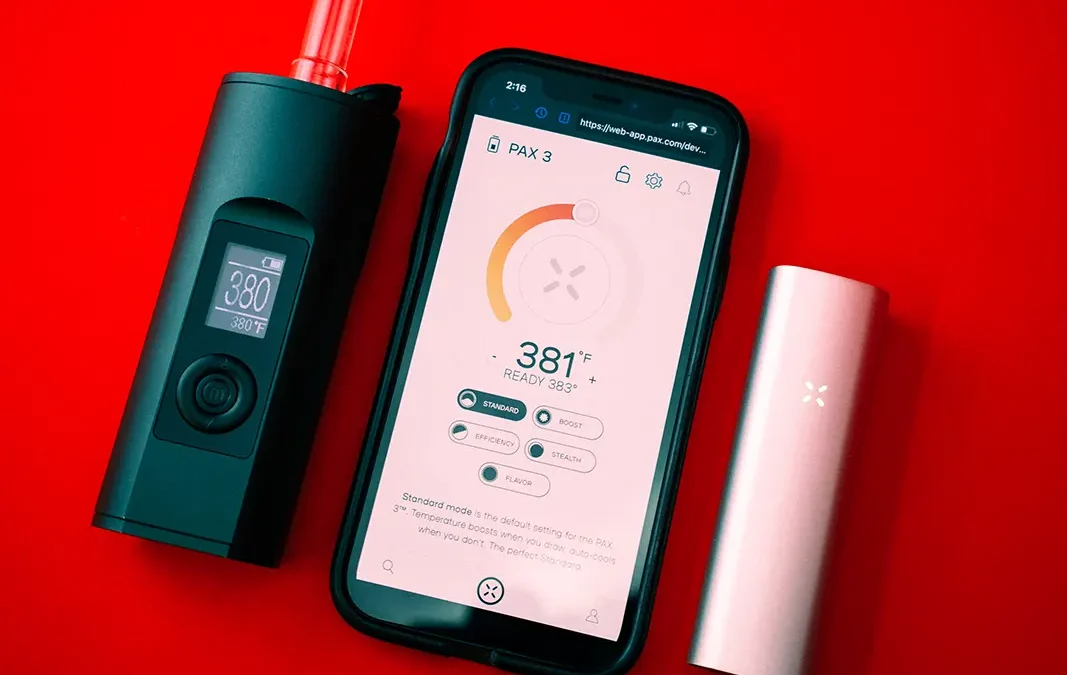
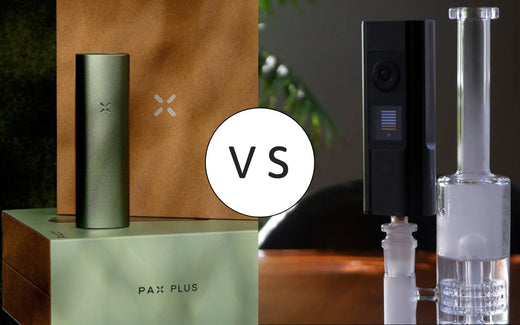
Pax, known for its sleek design and user-friendly devices, seems to be doubling down on marketing and brand recognition. They’re releasing limited-edition colors and collaborating with artists, but their core technology hasn’t seen a major overhaul in recent years. It feels like they’re relying on their existing customer base and brand loyalty.
Storz & Bickel, the makers of the Volcano, are taking a more innovative approach. They’ve recently launched a new hybrid vaporizer that combines convection and conduction heating, offering greater control over vapor production. They’re also exploring new materials and airflow designs. They seem to recognize the need to adapt to changing consumer preferences.
DaVinci, known for its focus on flavor and customization, is experimenting with new heating profiles and app integration. They’re also partnering with smaller brands to offer unique accessories and customization options. I suspect we’ll see more partnerships and acquisitions in the coming years, as established players look to acquire innovative technologies and expand their product offerings.
Overall, the established players are facing a difficult balancing act. They need to innovate to stay competitive, but they also need to protect their existing market share and brand identity. It’s a challenging situation, and it will be interesting to see how they navigate the evolving landscape.
Material Science and Innovation
The materials used in vaporizers have a huge impact on vapor quality, flavor, and overall user experience. We’re seeing a lot of innovation in this area, with companies experimenting with different ceramics, quartz, titanium, and even sapphire.
Ceramic heating chambers are popular because they’re relatively inexpensive and provide even heating. Quartz, on the other hand, is known for its ability to deliver clean and flavorful vapor, but it can be more fragile. Titanium is incredibly durable and resistant to corrosion, making it a good choice for heating coils and vapor paths. Sapphire is a premium material that’s known for its purity and thermal stability.
Heating methods are also evolving. Conduction heating is the simplest and most affordable method, but it can sometimes lead to uneven heating and combustion. Convection heating, where hot air is passed through the material, provides more even heating and better flavor. Hybrid systems combine the benefits of both conduction and convection.
Airflow design is another critical factor. A well-designed airflow system ensures smooth and efficient vapor production. Some vaporizers feature adjustable airflow, allowing users to customize their vaping experience. The way the air moves through the device really impacts the draw resistance and the overall feel.
Vaporizer Material Comparison
| Material | Heat-Up Time | Flavor Purity | Durability | Cleaning Difficulty | Cost |
|---|---|---|---|---|---|
| Ceramic | Good | Excellent | Good | Fair | Moderate |
| Quartz | Fast | Very Good | Fair | Moderate | Moderate to High |
| Titanium | Very Fast | Good | Excellent | Difficult | High |
| Stainless Steel | Moderate | Fair | Excellent | Easy | Low to Moderate |
| Glass | Moderate | Excellent | Poor | Easy | Low |
| Wood/Bamboo | Slow | Good | Fair | Fair | Low to Moderate |
| Aluminum | Fast | Fair | Good | Easy | Low |
Illustrative comparison based on the article research brief. Verify current pricing, limits, and product details in the official docs before relying on it.
Sustainability and the Vaporizer Industry
The environmental impact of vaporizers is a growing concern. From the manufacturing process to battery disposal, there are several areas where the industry needs to improve. It’s a complex issue, but it’s one that consumers are becoming increasingly aware of.
Manufacturing vaporizers requires energy and resources, and it often generates waste. Using recycled materials and reducing packaging are important steps that companies can take to minimize their environmental footprint. Designing for repairability is also crucial – if a device can be easily repaired, it will last longer and reduce the need for replacements.
Battery disposal is a particularly challenging issue. Vaporizer batteries contain hazardous materials that can leach into the environment if they’re not disposed of properly. Offering battery recycling programs is a responsible way for companies to address this problem. Veridia Vapor’s partnership is a good example of this.
I think sustainability is an area where new brands have a real opportunity to differentiate themselves. Consumers are increasingly willing to pay a premium for products that are environmentally friendly. However, it’s important to be genuine – greenwashing is a major turn-off.
Regulatory Hurdles and Future Outlook
The FDA’s regulatory framework continues to be the biggest challenge facing the vaporizer industry. The premarket tobacco application (PMTA) process is lengthy and expensive, and many companies have struggled to obtain authorization for their products. This creates uncertainty and stifles innovation.
Navigating the regulatory landscape is particularly difficult for new brands. They often lack the resources and expertise to comply with all the requirements. The FDA's website (fda.gov) provides information on the authorization process, but it can be complex and confusing.
Looking ahead to 2026 and beyond, I expect to see continued consolidation in the industry. Smaller brands may be acquired by larger companies, and some may simply be forced to shut down. The regulatory pressure will likely intensify, and companies that can’t adapt will struggle to survive.
Despite the challenges, the vaporizer market remains dynamic and innovative. New technologies and materials are constantly emerging, and consumer preferences are evolving. The brands that can successfully navigate the regulatory landscape, embrace sustainability, and cater to changing consumer needs will be the ones that thrive in the years to come. It’s a competitive market, but there’s still plenty of room for growth.
No comments yet. Be the first to share your thoughts!