

Vaporizer Costs: A Realistic Look
The big question, of course, is whether a premium vaporizer is actually better. It’s a fair question, especially when prices can vary so wildly. As of early 2026, "budget’ vaporizers generally fall in the $50 to $150 range, while ‘premium’ options can easily exceed $300 and climb past $400. But those numbers are somewhat flexible – what constitutes ‘premium" is subjective and depends on your priorities.
At the very low end, around $50-$80, you’re looking at very basic conduction vaporizers, often with limited temperature control. Moving up to the $100-$150 range gets you slightly better build quality and perhaps a few more temperature settings. The $300-$400 bracket is where you start seeing convection heating, precision temperature control, and more durable materials. And beyond that, you're paying for brand recognition, advanced features, and sometimes, just aesthetics.
Don't forget to factor in the hidden costs. Vaporizers aren’t a one-time purchase. You'll need to consider the cost of replacement parts – batteries, heating chambers, and mouthpieces – as well as cleaning supplies and potentially a good grinder. Some vapes require proprietary accessories which can be expensive. A budget vape might seem appealing initially, but frequent replacements could end up costing more in the long run.

Build Quality & Materials
Build quality is a key differentiator. Budget vaporizers frequently use plastic, affecting durability and feel. Heating chambers may use lower-grade metal, and airflow paths can incorporate materials that compromise flavor. Cheaper plastics can sometimes impart a taste to the vapor, particularly with extended use.
Premium vaporizers emphasize durability and vapor quality, using materials like titanium, stainless steel, and borosilicate glass. These materials resist wear and tear and remain inert, preserving herb flavor. Stainless steel provides heat resistance, and glass offers a neutral surface.
The airflow path material is critical. Glass or ceramic airflow paths are ideal, preventing flavor leaching. Budget vapes may use rubber or silicone, which can degrade and alter taste. Vapes with all-glass airflow paths generally offer clearer flavor compared to those with rubber components.
Premium devices also typically feature better fit and finish, with tighter tolerances and more robust construction. These details enhance the user experience and contribute to a longer device lifespan.
Heating Technology: Conduction vs. Convection
Vaporizer heating methods are key. Conduction heating, common in budget models due to its simplicity and lower cost, heats material through direct contact with a hot surface, similar to a stovetop.
Conduction heating can cause uneven heating and combustion if temperature control is poor. Material near the heating element vaporizes faster, increasing the risk of burning. This method can also lead to less flavorful and harsher vapor.
Convection heating circulates hot air around the material, providing even vaporization without direct contact, akin to a convection oven. This method typically yields more flavorful vapor and lowers combustion risk. Premium vaporizers often employ convection or hybrid systems.
Hybrid systems combine conduction's quick heat-up with convection's even vaporization. However, their effectiveness varies by model and design; some favor conduction, while others offer a more balanced approach.
Heating Method Comparison: Conduction vs. Convection vs. Hybrid (2026)
| Heating Method | Vapor Quality | Temperature Control | Efficiency | Cost |
|---|---|---|---|---|
| Conduction | Good | Fair | Good | Generally Lower |
| Convection | Excellent | Good | Fair | Moderate to High |
| Hybrid | Excellent | Excellent | Good | Moderate to High |
| Conduction | Consistent | Basic | Quick Heating | Budget-Friendly |
| Convection | Flavorful | Precise | Even Heating | Often Premium |
| Hybrid | Balanced | Advanced | Versatile | Mid-Range to Premium |
Illustrative comparison based on the article research brief. Verify current pricing, limits, and product details in the official docs before relying on it.
Temperature Control & Precision
Precise temperature control is a significant advantage of premium vaporizers, allowing users to customize their experience and optimize extraction of cannabinoids and terpenes for specific strains and desired effects.
Budget vaporizers usually offer limited, pre-set temperature options (e.g., Low, Medium, High) that are often inaccurate, providing little control. This lack of precision leads to inconsistent vapor quality and material waste.
Premium vaporizers typically include digital displays for precise, degree-by-degree temperature adjustment, which is essential for experienced users. Accurate temperature readings are also critical for consistent performance.
On-device temperature adjustment offers greater convenience and flexibility than cycling through pre-set options, significantly improving the user experience.
Portability & Discretion
Portability is a key consideration. While some budget vaporizers are compact, they may lack features like quick heat-up times or odor control that enhance discretion.
Premium vaporizers often balance portability with functionality, featuring sleek, discreet designs with quick heat-up times and haptic feedback for rapid, unobtrusive sessions.
Odor control varies; premium models often include sealed chambers and carbon filters to minimize smell, though complete odor elimination is not possible, especially in enclosed spaces.
A premium vaporizer's polished appearance contributes to its discretion, helping it blend in more easily than less refined budget models.
Featured Products

Designed for Arizer Solo and Solo 2 · Direct replacement · Extends vaping time
This is a crucial accessory for maintaining the longevity and usability of popular Arizer portable vaporizers.

Includes 3D oven screens · Comes with a wire brush · Designed for PAX vaporizers
Proper maintenance is key to the longevity and performance of premium vaporizers like the PAX.

200 count pack · 15mm diameter · Stainless steel mesh
These affordable filters offer a bulk solution for users who need replacement screens for various devices.

Odor elimination · Personal air filter · Discreet use
This accessory provides a practical solution for discreet vaping, enhancing user privacy and reducing environmental impact.

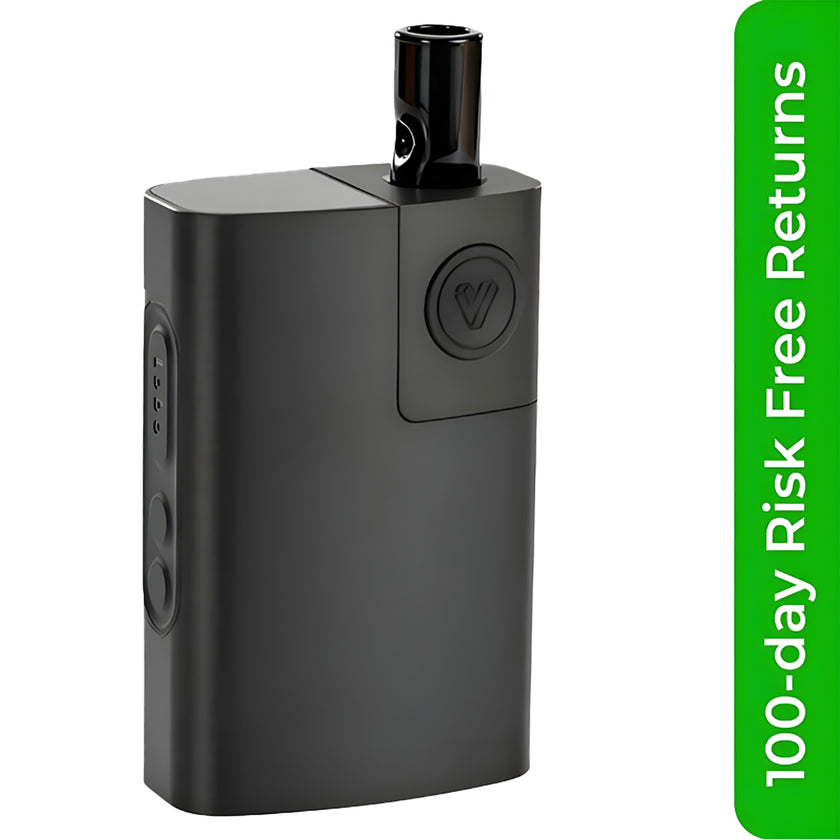
Hybrid heating (conduction & convection) · Fast heat-up time · Durable aluminum construction
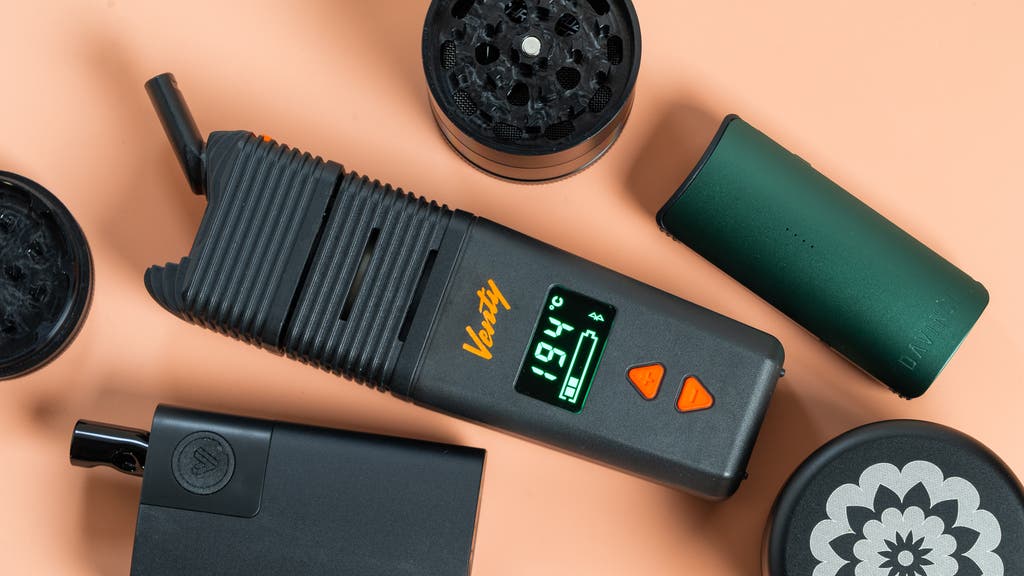
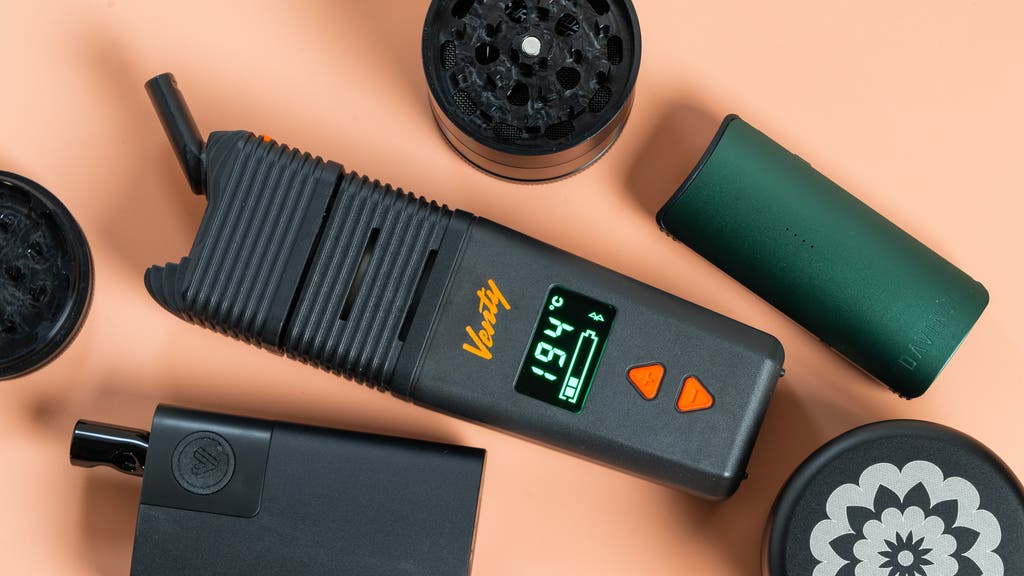
This selection offers a range of portable vaporizers, from cost-effective options to high-end devices, allowing readers to compare and contrast based on their budget and desired features as discussed in the article.
As an Amazon Associate I earn from qualifying purchases. Prices may vary.
Long-Term Cost & Maintenance
Budget vaporizers' lower build quality can lead to more frequent replacements of broken plastic components, burnt-out heating elements, or degraded batteries, increasing long-term costs.
Premium vaporizers, despite higher initial costs, often include longer warranties and require less maintenance due to durable materials and robust construction, leading to a longer lifespan.
Replacement parts like batteries, heating elements, and mouthpieces are necessary over time. While proprietary premium parts can be costly, they are often more reliable. Budget parts may be cheaper but can be of lower quality.
Ease of cleaning varies; premium vaporizers often feature simpler designs and removable components, simplifying maintenance compared to some budget models.
Top Budget Picks (Under $150)
undefinedaround $80-$100) consistently ranks as a top pick. It’s a compact, on-demand convection vaporizer that offers surprisingly good vapor quality for the price. It’s a good all-rounder and a solid entry point for beginners.
The POTV LOBO (typically around $120-$140) is another strong contender. It's a hybrid vaporizer, offering both conduction and convection heating, and features a replaceable battery. Troy and Jerry praise its versatility and ease of use. It's a good choice for users who want a bit more flexibility.
For a truly budget-friendly option, consider the Yocan Vane (around $60-$80). It's a simple conduction vaporizer that's incredibly affordable. While it doesn’t offer the same level of performance as the XMAX or POTV, it’s a reliable and convenient option for occasional users. It’s best for those who aren't overly concerned with vapor quality and just want something to get the job done.
Premium Standouts ($300+)
Stepping up to the premium range unlocks a new level of performance and features. The Firewood 9 (around $350-$400) is consistently praised for its exceptional vapor quality and precise temperature control. It uses a hybrid heating system and features a fully ceramic airflow path. It’s a favorite among experienced users who prioritize flavor.
The Tinymight 2 (around $380-$420) is another top contender. It’s known for its incredibly fast heat-up time and powerful convection heating. It’s also very portable and easy to use. Reviewers highlight its consistent performance and reliability. It's a great choice if you value speed and convenience.
The Crafty+ (around $300-$350) remains a popular option, despite its higher price. It’s a compact and versatile vaporizer that offers both conduction and convection heating. It's controlled via a smartphone app, allowing for precise temperature control and customization. While the app can be a bit finicky, the overall performance is excellent.
Are these premium vapes worth the extra money? It depends. The improvements in vapor quality, temperature control, and build quality are noticeable, but they may not be significant enough to justify the price for everyone. If you're a casual user, a budget vaporizer might be perfectly adequate. But if you're a connoisseur who values the best possible experience, the investment is likely worthwhile.
After reading this complete analysis, are you more likely to consider a premium vaporizer for your next purchase?
We want to hear from you. Whether you are a seasoned enthusiast or just getting started, your perspective on the budget vs premium debate helps our community make more informed decisions. Vote below and share your reasoning in the comments!

No comments yet. Be the first to share your thoughts!