
Vaporizers budget
Finding the right vaporizer starts with defining what you actually need from the device. The market spans from sub-$50 entry models to desktop units exceeding $500. For most users, the sweet spot lies between $150 and $250, where you get reliable convection heating, durable batteries, and consistent airflow without paying for premium build materials or unnecessary smart features.
Budget models under $100, such as the POTV Lobo, offer excellent value for casual users. They deliver effective vapor production and flavor, proving that dry herb vaporizers are worth the money even at lower price points. However, these units often compromise on battery longevity, heating consistency, and long-term durability. If you plan to use your vaporizer daily, investing in a mid-range device like the Arizer Solo 3 v2.0 or the Venty ensures you won't need to replace the unit within a year.
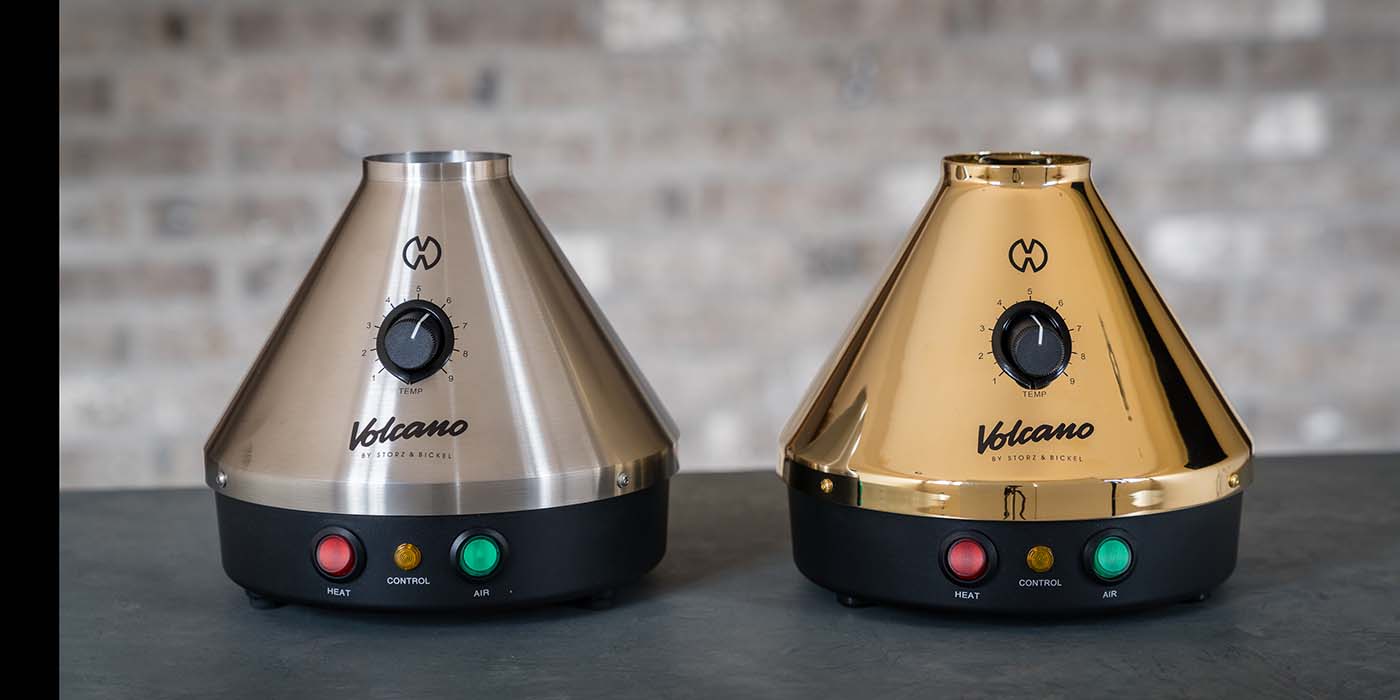
Desktop vaporizers represent a different budget category entirely. They offer superior temperature control and session length but lack portability. For those prioritizing flavor and session quality over convenience, desktops provide the best performance per dollar. For everything else, a well-chosen portable in the $150–$250 range strikes the best balance between cost, performance, and longevity.
Shortlist real options
Use this section to make the Best Vaporizers of decision easier to compare in real life, not just on paper. Start with the reader's actual constraint, then separate must-have requirements from details that are merely nice to have. A practical choice should survive normal use, maintenance, timing, and budget. If a recommendation only works in an ideal situation, call that out plainly and give the reader a fallback path.
| Factor | What to check | Why it matters |
|---|---|---|
| Fit | Match the option to the primary use case. | A good deal still fails if it does not fit the job. |
| Condition | Verify age, wear, and service history. | Hidden condition issues erase upfront savings. |
| Cost | Compare purchase price with likely upkeep. | The cheapest option is not always the lowest-cost option. |
Inspect the expensive parts
Use this section to make the Best Vaporizers of decision easier to compare in real life, not just on paper. Start with the reader's actual constraint, then separate must-have requirements from details that are merely nice to have. A practical choice should survive normal use, maintenance, timing, and budget. If a recommendation only works in an ideal situation, call that out plainly and give the reader a fallback path.
-
Verify the basicsConfirm the core specs, condition, and fit before comparing extras.
-
Price the downsideLook for the repair, maintenance, or replacement cost that would change the decision.
-
Compare alternativesCheck at least two comparable options before treating one listing as the benchmark.
Plan for ownership costs
The sticker price is just the entry fee. When you look at the total cost of ownership, a cheap vaporizer can quickly become the most expensive option on your shelf. Replacement parts, battery degradation, and maintenance supplies add up faster than most buyers expect.
Replacement parts and consumables
Every vaporizer has parts that wear out. Mouthpieces crack or discolor. Oven screens clog with resin. Batteries lose capacity after a year or two of daily use.
- Mouthpieces: Plastic tips crack. Metal ones get hot. Silicone is durable but tastes like rubber. Expect to replace these every 6–12 months.
- Oven screens: Fine mesh screens trap herb but clog fast. You’ll need to swap them out regularly to maintain airflow and flavor.
- Batteries: Internal lithium cells degrade. If your device won’t hold a charge after two years, replacement is often cheaper than buying new.
Maintenance supplies
Cleaning isn’t optional. Resin builds up in the air path, blocking airflow and altering flavor. You’ll need isopropyl alcohol, cotton swabs, and pipe cleaners. Some models require specialized cleaning tablets or brush kits. Factor in $20–$40 per year for supplies.
When cheap stops being cheap
A $50 vaporizer might seem like a bargain, but if it breaks in six months or requires frequent part replacements, it’s not. A $200 unit with replaceable parts and a two-year warranty often costs less over three years.
The rule of thumb: If replacement parts cost more than 20% of the device price, walk away. Look for brands like Arizer, Venty, or POTV that sell individual components separately.
Bottom line: Buy for the long haul. A slightly higher upfront cost pays off in durability and lower maintenance.
Vaporizers: what to check next
Choosing the right device often comes down to specific use cases and budget constraints. Here are the answers to the most common questions about portable and desktop vaporizers.
No comments yet. Be the first to share your thoughts!