
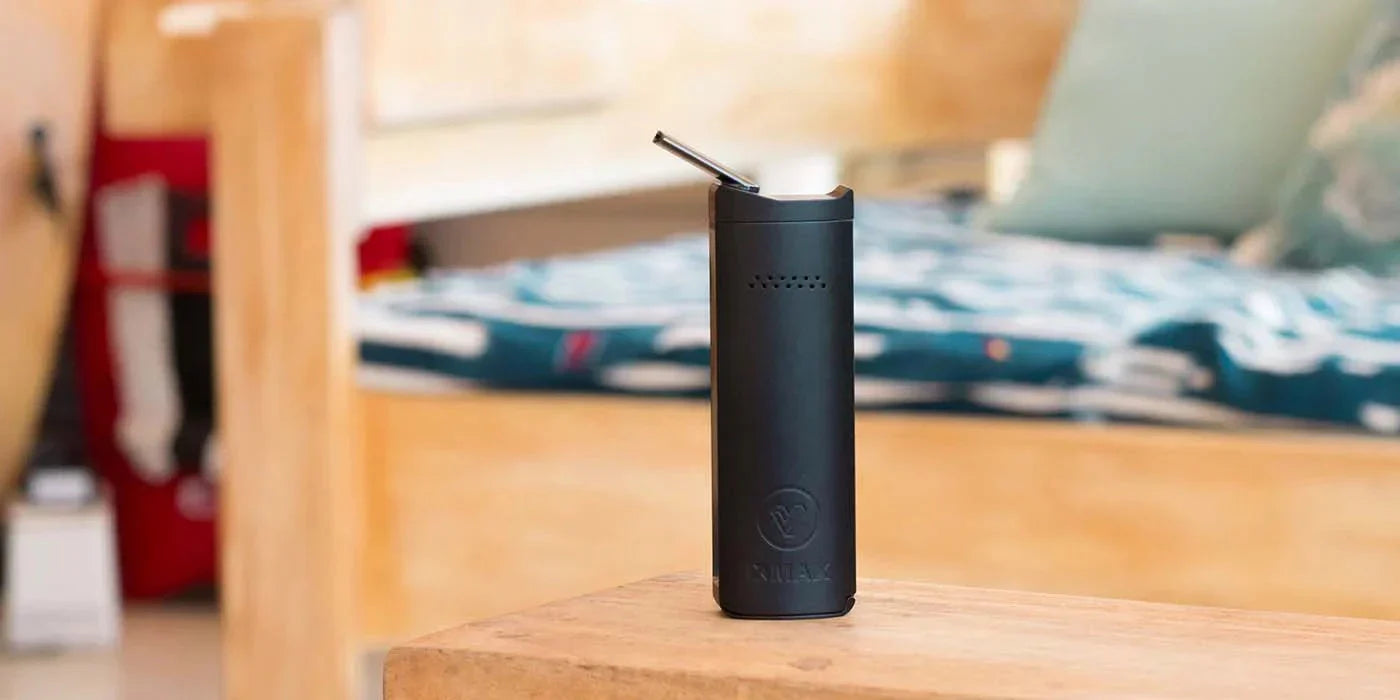

How We Tested Vaporizers
We evaluated each device based on three measurable factors: vapor quality, battery endurance, and operational ease. Our testing protocol focused on consistency and reliability rather than marketing specifications, ensuring that the recommendations reflect real-world performance.
Vapor quality was assessed by examining temperature consistency and flavor preservation. We prioritized devices like the Tinymight 2 and the Storz & Bickel Venty because they deliver precise control over convection airflow. The goal was to identify units that provide smooth, flavorful draws without scorching the material or producing harsh byproducts.
Battery life was measured through continuous use cycles rather than idle standby times. We tracked how long each device maintained its set temperature during extended sessions. A vaporizer is only useful if it lasts through a full outing, so we favored models with robust power management over those with inflated mAh claims.
Ease of use covered both the initial setup and the daily maintenance routine. We tested how quickly devices heated up and how simple it was to clean the chamber. Models that require specialized tools or complex disassembly for basic cleaning were ranked lower, as convenience is a major factor in long-term satisfaction.
Note on testing methodology: We prioritize vapor quality and device reliability over marketing claims.
All testing was conducted using standard dry herb materials to ensure a consistent baseline. We avoided making medical claims or suggesting specific health outcomes, focusing instead on the mechanical and user experience aspects of each vaporizer.
Best portable vaporizers
Use this section to make the Best Vaporizers decision easier to compare in real life, not just on paper. Start with the reader's actual constraint, then separate must-have requirements from details that are merely nice to have. A practical choice should survive normal use, maintenance, timing, and budget. If a recommendation only works in an ideal situation, call that out plainly and give the reader a fallback path.
The simplest way to use this section is to write down the must-have criteria first, then compare each option against those criteria before weighing nice-to-have features.
Desktop Vaporizers for Long Sessions
Stationary units trade portability for power. They plug into a wall outlet, which allows for larger heating chambers, faster heat-up times, and sustained vapor production. If you prioritize session length and volume over moving around the house, a desktop model is the right choice.
The Arizer V-Tower is a reliable entry point for this category. It uses a fan-assisted convection system that pushes hot air through the herb chamber. This design delivers excellent vapor quality and consistent draws without the harshness often associated with conduction heating. It is affordable, durable, and easy to clean, making it a staple in many homes.
For users who want maximum control, the Venty offers a sophisticated interface. It features precise temperature settings and a robust build quality that supports long-term use. The device is designed for those who view vaping as a ritual rather than a quick fix, offering a premium experience for dedicated enthusiasts.
These devices require a dedicated space and a power source. You will need a stable surface and time to manage the power cord. However, the trade-off is worth it for the superior vapor density and the ability to run longer sessions without battery anxiety.
Portable vs. desktop vaporizers
Choosing between a portable and a desktop vaporizer depends on whether you prioritize flexibility or raw power. Portable devices like the Venty Vaporizer and Tinymight 2 are designed for on-the-go sessions, offering discreet operation and battery-powered convenience. They fit in a pocket or bag, making them ideal for travel or quick breaks. However, they are limited by battery capacity and smaller heating chambers.
Desktop vaporizers, by contrast, plug into a wall outlet and feature larger boilers, precise temperature controls, and balloon or bag filling options. They deliver more consistent vapor density and can handle longer sessions without recharging. These units are best for home use where space and power outlets are available. They often include accessories like whips and balloons that portables lack.
The table below compares key performance metrics for popular models to help you decide which form factor fits your routine.
Heating methods and material compatibility
The way a vaporizer heats your material defines the experience. Conduction heats through direct contact with a hot surface, while convection uses hot air to pass through the chamber. Most modern portable devices rely on convection for a cleaner taste and even heating. The Venty uses pure convection to deliver consistent vapor without burning the plant material. If you prefer precise temperature control and full flavor, look for devices that prioritize airflow over conduction plates.
Material compatibility determines which devices fit your stash. Some vaporizers handle dry herbs only, while others support concentrates or both. The Tinymight 2 is a top performer for dry herbs because its on-demand convection system works efficiently with ground flower. If you use concentrates frequently, you need a device with a dedicated concentrate pad or a dual-chamber design like the Zeus Arc GT4. Buying a dual-use device is often the safest bet if your preferences change.
Before you commit to a purchase, check these basics:
- Heating type: Convection generally offers better flavor than conduction.
- Battery life: Ensure the battery lasts through your typical session length.
- Mouthpiece material: Silicone or metal mouthpieces affect heat transfer and taste.
- Cleaning ease: Devices with removable screens are easier to maintain long-term.
Vaporizer safety and maintenance
Keeping a device clean is the most effective way to extend its lifespan and ensure consistent performance. Resin buildup in the mouthpiece or oven walls can alter airflow and flavor, making maintenance a routine part of ownership rather than an occasional chore. For devices like the Venty, which features a removable mouthpiece, cleaning is straightforward: soak the part in isopropyl alcohol and wipe away residue. The Tinymight 2 requires a bit more care with its internal ceramic heating chamber, but using the provided cleaning tool prevents damage to the delicate surfaces.
Safety also hinges on proper battery handling. Always use the manufacturer-provided charger to avoid voltage mismatches that can degrade the battery or pose a fire risk. Store your vaporizer in a cool, dry place when not in use, and avoid leaving it in a hot car, where high temperatures can compromise the battery's integrity. Regularly inspect the power button and charging port for debris or wear. A well-maintained vaporizer not only performs better but also lasts significantly longer, protecting your investment.
Common vaporizer: what to check next
What is the safest vape for your lungs?
Safety largely depends on the heating method and materials used. Convection vaporizers like the Tinymight 2 heat herb with hot air rather than direct contact, which reduces the risk of combustion and the production of harmful byproducts associated with burning plant matter. Devices featuring medical-grade stainless steel or glass air paths, such as the Venty, further minimize the chance of inhaling plastic residues or heavy metals compared to cheaper, unverified units.
Which vaporizer gets you the highest?
The intensity of the experience is driven by temperature control and vapor density. The Venty is renowned for its precision heating element, allowing users to reach higher temperatures that produce denser, more potent clouds. Meanwhile, the HR Rogue 2 Healthy offers a robust heating chamber that efficiently extracts active compounds, providing a strong and consistent effect for those prioritizing potency over subtle flavor notes.
What are the top 5 best vape brands?
Leading brands consistently rank high due to build quality, reliability, and customer support. The Pax lineup, including the Pax Flow, is known for its sleek design and user-friendly interface, making it a top choice for beginners. Storz & Bickel remains a gold standard for durability and performance with models like the Crafty+. Dynavap appeals to enthusiasts with its manual, non-electric precision, while Yocan and Flux offer competitive options for concentrate users and portability seekers.
No comments yet. Be the first to share your thoughts!